
World May 25, 2026 01:53 PM

Iran’s President Orders Reconnection to Global Internet After Near-90-Day Blackout

State media say a presidential directive was issued but officials have not detailed how or when Iran will restore full international web access

By Ajmal Hussain

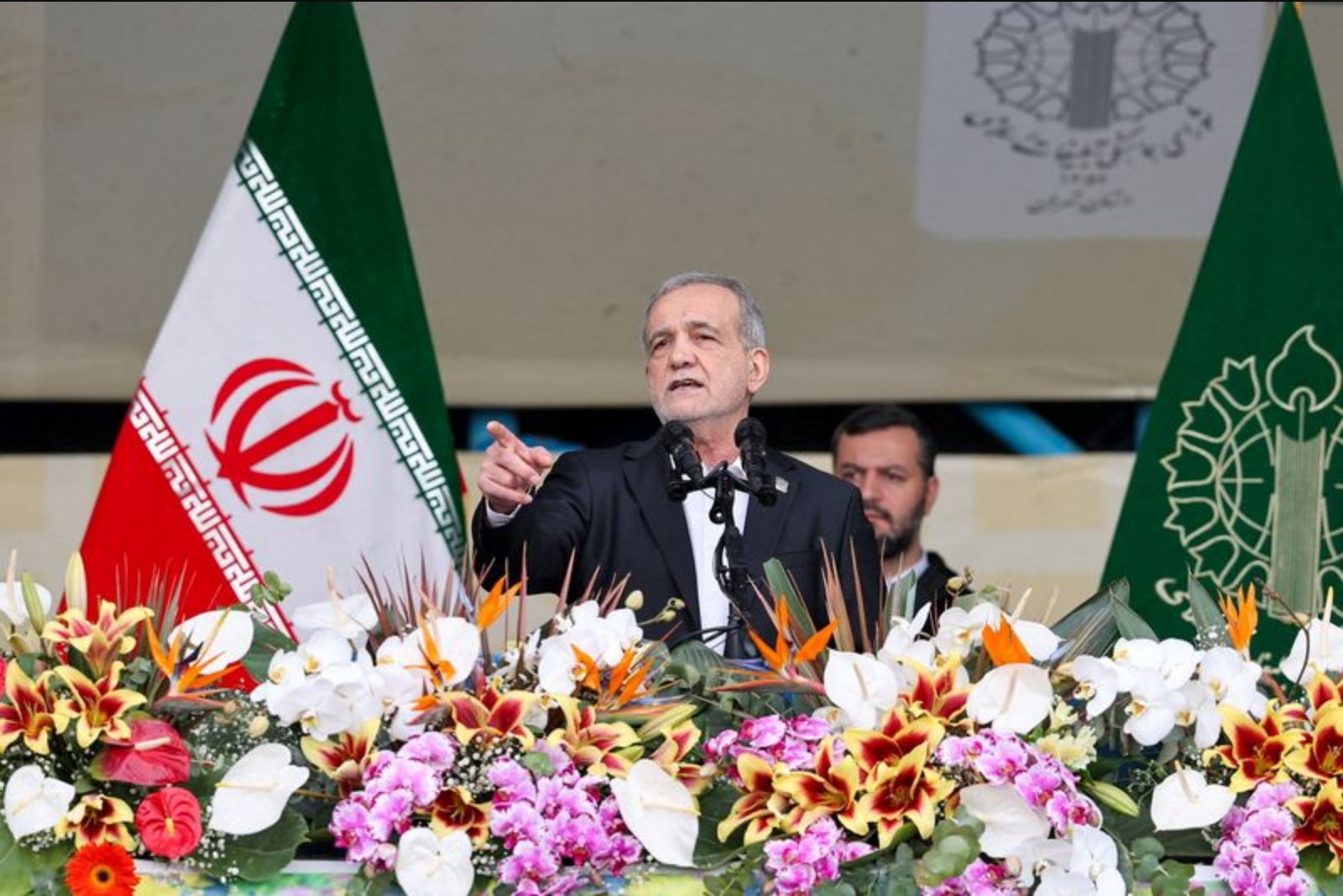
Iranian state media reported that President Masoud Pezeshkian has issued an order to reopen access to the global internet after almost 90 days of restricted connectivity. The report cited the head of public relations at the Communications Ministry. It remains unclear how and when authorities will reconnect to the worldwide web. Most Iranians have been cut off for 87 days, according to NetBlocks, with only a small number able to reach the global internet using costly, advanced VPN services. The country previously imposed an initial blackout from January 8 in response to nationwide protests, briefly loosened restrictions in February, and then reinstated a shutdown following U.S. and Israeli strikes that began on February 28. Even in normal circumstances, international internet access in Iran is tightly controlled and many services are delivered over a domestic intranet, which currently supports online schooling.

Iran’s President Orders Reconnection to Global Internet After Near-90-Day Blackout

Key Points

  • A presidential order to reopen international internet access has been reported by Iranian state media, citing the Communications Ministry's public relations head.
  • Independent monitoring shows most Iranians have lacked access to the global web for 87 days, with only a small number using expensive advanced VPNs.
  • The internet shutdowns began January 8 amid nationwide protests, briefly eased in February, and were reimposed after U.S. and Israeli strikes on February 28; Iran relies increasingly on a domestic intranet, including for school curricula.

Iranian state media reported on Monday that President Masoud Pezeshkian has ordered a restoration of international internet access, citing an official from the Communications Ministry. The announcement follows a near-90-day period during which most citizens were unable to reach the worldwide web after successive restrictions tied to recent unrest and regional hostilities.

The state media account referenced the head of public relations at the Communications Ministry as the source for the presidential directive. The report did not provide specifics on the mechanism that would be used to reconnect Iran to the global internet, nor did it indicate a timeline for when full access might be re-established.

Independent monitoring by the internet observatory NetBlocks noted on Monday that most Iranians had been unable to access the global web for 87 days. According to that monitoring, only a limited number of people managed to bypass the restrictions using expensive, advanced virtual private network services.

The pattern of shutdowns dates back to January 8, when authorities initially imposed an internet blackout in response to nationwide anti-government protests. Connections had begun to return toward normal in February, but Tehran initiated a renewed blackout after U.S. and Israeli strikes against Iran began on February 28.

Even outside periods of mass outages, access to the international internet in Iran is constrained by broad censorship of many websites. The government has increasingly turned to a national intranet to deliver connected services without relying on the worldwide web. That domestic network is currently used for several functions, including facilitating an online curriculum for schools.

The state media note of a presidential order to reopen international connectivity leaves open several practical questions. Officials have not outlined whether restoration will be full or partial, what technical steps will be taken, and how quickly ordinary users will regain reliable global access. The Communications Ministry reference in the report does not include further operational details.


Summary

  • President Masoud Pezeshkian has ordered the reopening of international internet access, according to state media citing the Communications Ministry.
  • NetBlocks reported that most Iranians have been unable to access the worldwide web for 87 days, with only a few using costly advanced VPNs to bypass restrictions.
  • Initial blackout began on January 8 amid nationwide protests, temporarily eased in February, then resumed after U.S. and Israeli strikes started on February 28.
  • Authorities routinely restrict international access and are increasingly relying on a national intranet, which supports services such as online schooling.

Risks

  • Uncertainty over the technical mechanism and timing for restoring international internet access - this affects telecommunications operators and service availability for consumers.
  • Continued reliance on a national intranet and persistent censorship could limit full return to the global web, impacting education delivery and online services that depend on international connectivity.
  • Intermittent or partial reconnection may leave many users dependent on costly VPN services to reach the worldwide web, with implications for household access costs and telecom usage patterns.

More from World

Peru Runoff Poised on a Knife-Edge as Sanchez Narrows Gap With Fujimori, Ipsos Poll Finds Jun 4, 2026 Kennedy Center Directed to Revert Name After Federal Ruling Jun 4, 2026 Colorado Appeals Court Orders New Trial for Paramedics in Elijah McClain Death Jun 4, 2026 U.S. Treasury Adds Cuban President Miguel Diaz-Canel to Sanctions List Jun 4, 2026 Zelenskiy Invites Putin to Direct Talks in Open Letter, Proposes Ceasefire During Negotiations Jun 4, 2026