
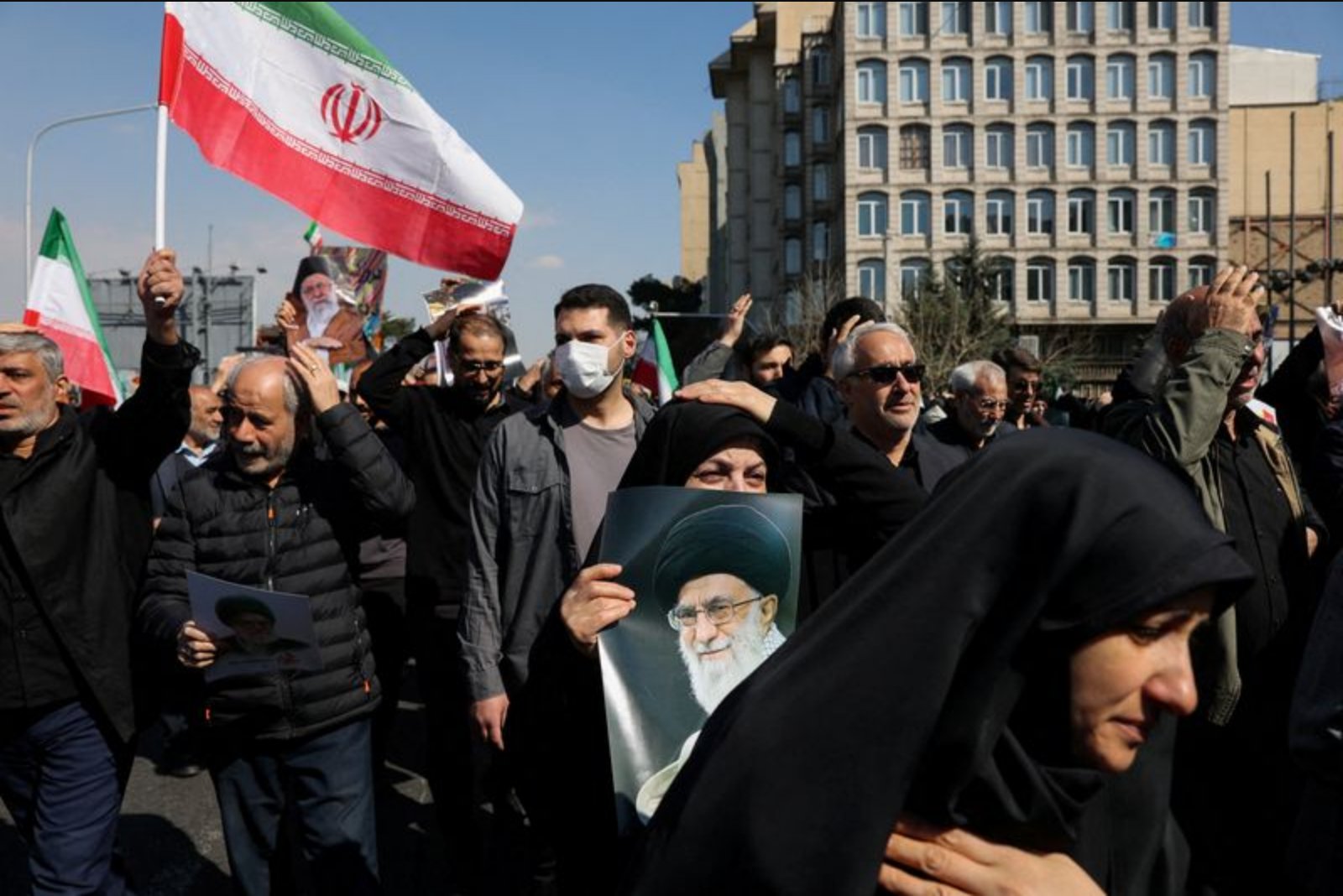
DUBAI, March 7 - Hardline clerical figures in Iran have called for a swift naming of a new supreme leader, according to Iranian media reports, as the Islamic Republic faces a fresh wave of strikes by U.S. and Israeli forces. The appeals for a prompt appointment underline unease among some in the clerical establishment about leaving the country’s highest authority in the hands of a temporary council following the killing of Supreme Leader Ayatollah Ali Khamenei.
Those concerns centre on the three-man council that, under the constitution, has taken on the supreme leader’s role for the interim. That council is composed of the president, a senior cleric and the head of the judiciary, and will hold authority until the Assembly of Experts selects a successor. The constitution stipulates that a supreme leader should be chosen within three months.
U.S. President Donald Trump has said the United States should have a role in choosing the new leader, a proposal that Iran has rejected, the media reports said. The exchange reflects a contentious international dimension to the succession, even as clerical commentary inside Iran presses for internal speed and clarity.
Late on Saturday, Iranian outlets quoted Ayatollah Hossein Mozafari, who is a member of the 88-member Assembly of Experts, as saying the assembly could meet within the next 24 hours to make a decision. Mozafari did not specify whether such a gathering would be held in person. Sources cited by the media added that some clerics had previously carried out consultations online, suggesting different modes of deliberation are being considered.
The call for rapid action followed earlier public urgings by hardline religious authorities. Grand Ayatollah Naser Makarem Shirazi, described by state media as commanding a broad following for his religious rulings, said a quick appointment was necessary to "help better organise the country’s affairs". Makarem Shirazi and other senior figures have framed swift succession as both a practical and religious imperative.
In the days after Khamenei’s killing, two senior Shi’ite religious authorities issued fatwas calling on Muslims globally to avenge the death. Makarem Shirazi stated that it was a religious duty for Muslims to act "until the evil of these criminals is eradicated from the world", reflecting the sharp tone of some clerical responses.
Grand Ayatollah Hossein Nouri Hamedani also urged members of the Assembly of Experts to accelerate the process of selecting Khamenei’s successor, according to state media. The repeated urgings from prominent clerics have intensified focus on how and how quickly the assembly will convene and reach a decision.
For now, the three-man council continues to perform the functions of the supreme leader while the assembly deliberates. The articles of the constitution set a three-month timeframe for the appointment, but statements from clerical leaders and an assembly member indicating a possible 24-hour meeting suggest a push to shorten that timeline considerably.
Contextual note: The reports describe internal clerical dynamics, public religious decrees and competing international statements about the succession process, but details on the exact timing and format of assembly deliberations remain unclear.