
Overview
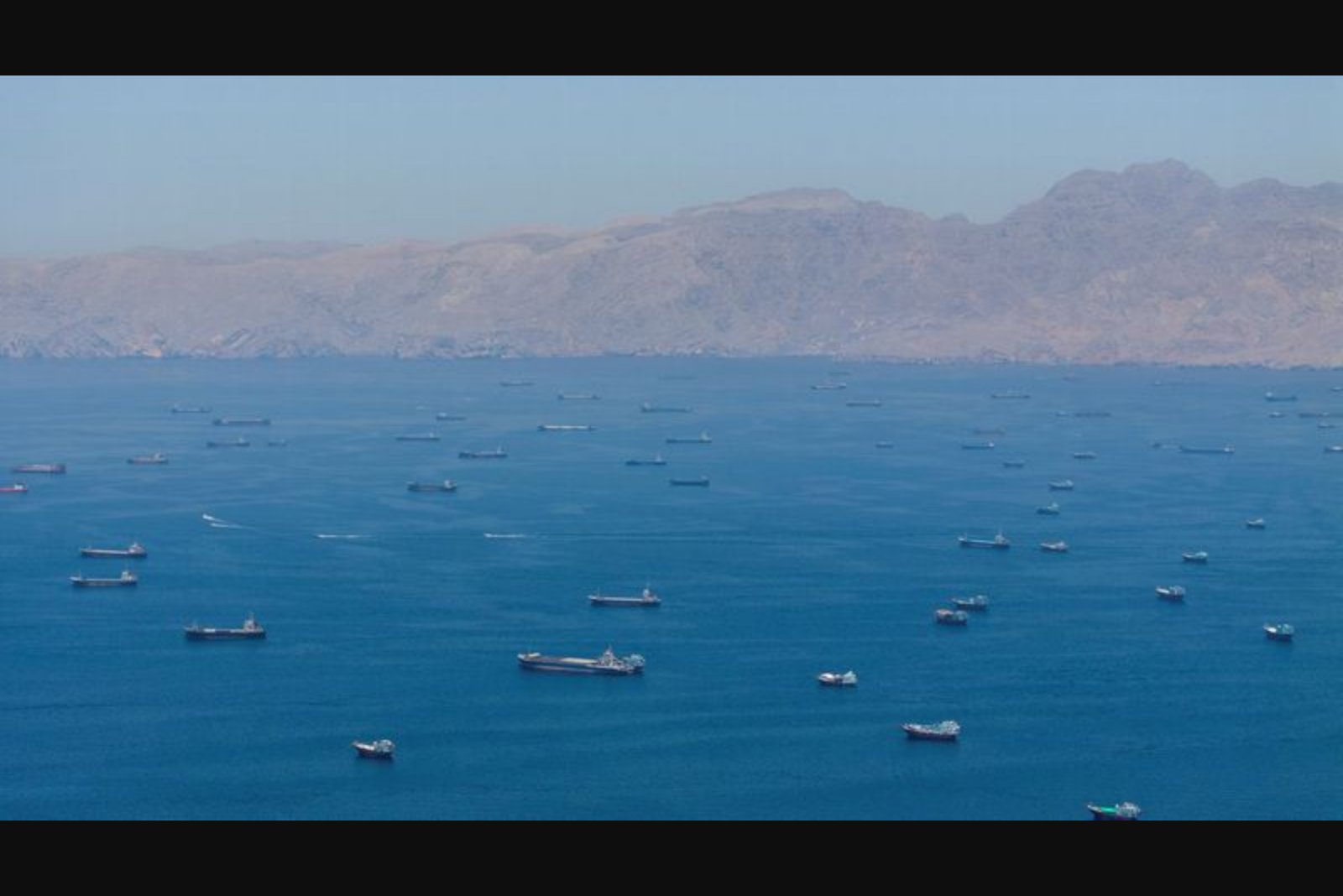
Iranian state television said on Wednesday that Tehran could reopen the Strait of Hormuz to the level of shipping seen before the conflict within a month if a negotiated memorandum of understanding with the United States included specific terms. According to the broadcast, the framework under discussion would require the U.S. to withdraw forces from Iran's vicinity and end what Tehran described as a naval blockade of Iranian shipping. State TV said it had obtained an unofficial draft of the MOU but made clear the document was not final and might not be agreed.
The White House responded to the report with a flat denial on social media, calling the account a "complete fabrication." Iran's government offered no immediate comment following the broadcast.
What the draft reportedly includes
State television outlined elements of the draft framework, saying it would exclude military vessels from the strait and envisage Iran managing ship traffic through the waterway in cooperation with Oman. The broadcast added that Tehran would take no steps without "tangible verification." The report did not mention Iran's nuclear programme, an issue the United States has said it wants dismantled, and said that the question of U.S. troops in the region required further discussion without offering specifics.
Responses and immediate market reaction
The U.S. government rejected the state TV account. In the wake of the broadcast, oil prices fell by more than 5%, reflecting how closely energy markets track reports about access to the Strait of Hormuz, through which a significant share of the world's oil and liquefied natural gas flowed before the conflict.
Negotiation dynamics and sequencing
Iranian sources have indicated that discussions on the nuclear dimension are intended for a second round of negotiations, a sequencing that may not satisfy some supporters of the current U.S. administration. President Donald Trump has described dismantling Iran's nuclear capacity to prevent the development of a weapon as a key objective of the war. Iranian officials have continued to assert that the country's nuclear programme is for peaceful purposes only.
On the sidelines of an international security forum, Ali Bagheri Kani, deputy secretary of Iran's Supreme National Security Council, told reporters that reopening the strait remained a sticking point, cautioning that until all issues were resolved, nothing could be considered agreed.
Military posture and regional activity
The report left unclear what the U.S. military pullback described by state television would entail in practical terms. The U.S. military is reported to have some 15,000 troops enforcing a blockade of Iran and maintains thousands of additional forces at bases throughout the region, including in Gulf states such as Qatar, the United Arab Emirates and Bahrain. U.S. naval vessels, often carrying sailors and Marines, regularly transit the region and make port calls in countries such as Oman. The Pentagon did not immediately respond to a request for comment on the television report.
Even as negotiations have continued, U.S. forces launched what they described as defensive strikes in southern Iran's Hormozgan province on Tuesday, targeting missile sites and boats alleged to be attempting to lay mines. Iran's foreign ministry said those strikes were a "gross violation" of a fragile ceasefire that had held for nearly seven weeks.
Human and economic toll
The conflict, which began on February 28, has inflicted heavy human casualties, with thousands killed according to accounts included in the reporting, and produced an unprecedented shock to oil supplies. The disruption has pushed up costs for fuel, fertilizer and food, and has created political challenges for the U.S. administration, where polls show the war is widely unpopular ahead of mid-term elections.
Summary of key developments
- State television said Iran could restore pre-war levels of shipping through the Strait of Hormuz within a month if an MOU with the U.S. included withdrawal of U.S. forces and an end to a naval blockade.
- The U.S. White House denied the report, calling it fabricated; Iran's government did not immediately comment.
- The draft framework reportedly excludes military vessels from the strait and would have Iran managing traffic alongside Oman, while leaving the nuclear issue for a possible second negotiation round.
- Oil prices dropped by more than 5% after the state TV account, reflecting markets' sensitivity to changes in access to the strait.
Note: The state television report said the MOU draft it obtained was unofficial and not final, and that Tehran required tangible verification before acting. Public positions of Tehran and Washington remain sharply at odds in several respects, and significant objections persist among some U.S. political constituencies to a phased negotiation approach.