
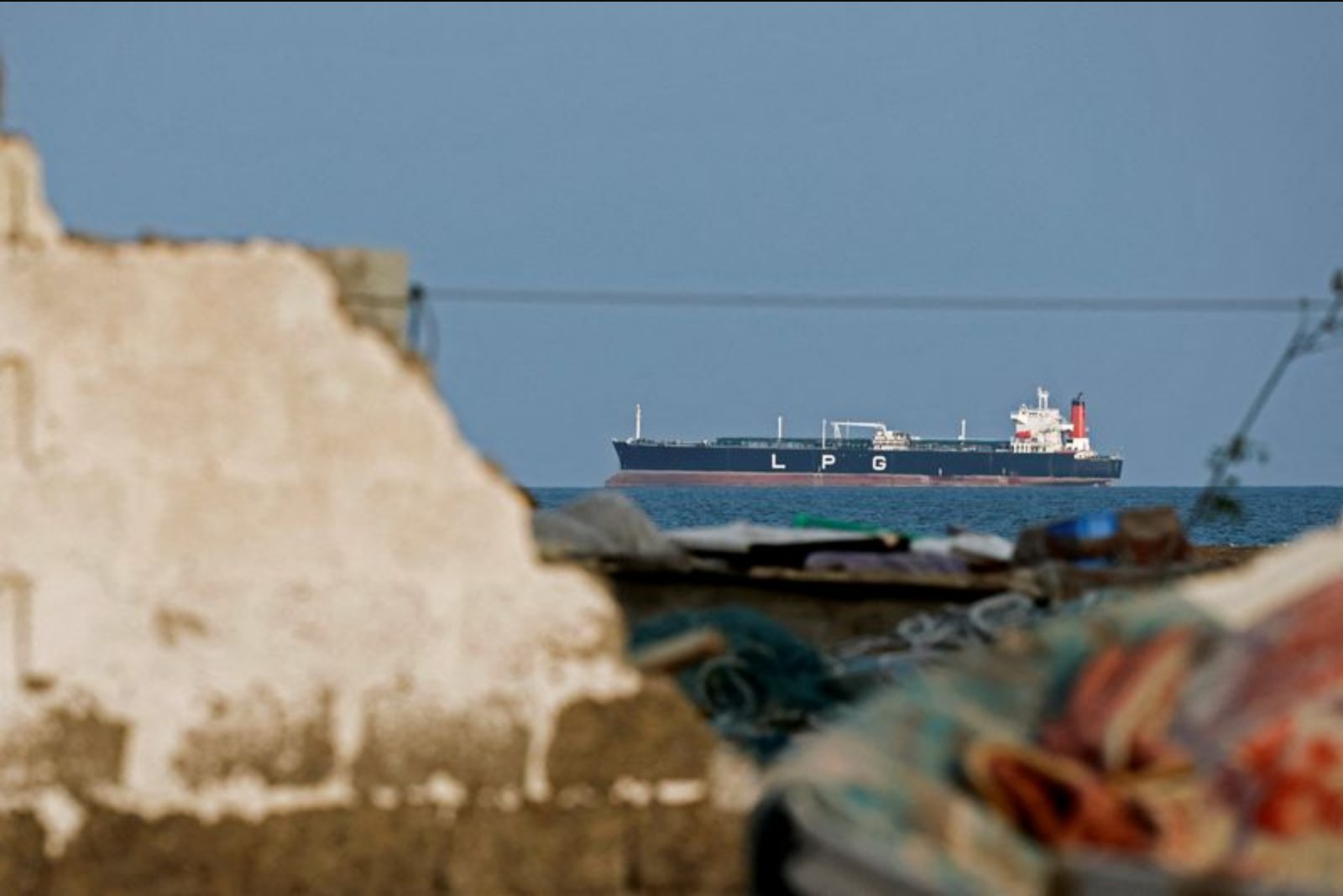
March 12 - Iran’s U.N. Ambassador, Amir Saeid Iravani, told reporters on Thursday that Tehran does not intend to shut the Strait of Hormuz, even as he defended Iran’s prerogative to safeguard security in the vital maritime corridor.
Iravani made the remarks at United Nations headquarters after being asked about comments from the new Iranian supreme leader, Mojtaba Khamenei, who said that the "lever of blocking the Strait of Hormuz must continue to be used." Responding directly, the ambassador said: "We are not going to close the Strait of Hormuz." He added, "But it is our inherent right to preserve the peace and security in this waterway."
Before taking questions, Iravani read a prepared statement in which he affirmed that "Iran fully respects and remains committed to the principle of freedom of navigation under the law of the sea." He then framed the current state of affairs in the region as not arising from Iran's lawful exercise of self-defense.
In his prepared remarks he said: "Rather, it is the direct consequence of the destabilizing actions of the United States in launching aggression against Iran and undermining regional security."
The ambassador did not offer a direct reply to a remark by U.S. Treasury Secretary Scott Bessent. In an interview on Thursday with Sky News, Bessent said the U.S. Navy, potentially operating with an international coalition, would escort vessels through the Strait of Hormuz when it is militarily possible. Iravani said he had no response to that comment.
The comments reiterate Tehran's stated commitment to freedom of navigation while also asserting a defense of its rights to maintain security in the strait. They reflect competing narratives about the origin of tensions in the area, with Iran blaming U.S. actions for regional instability and U.S. officials discussing protective measures for commercial shipping in the waterway.
Context note: The statements encompass both a formal pledge about navigation rights and an attribution of responsibility for instability, made by Iran's U.N. envoy in response to remarks by Iran's supreme leader and to a U.S. official's public comment on naval escorts.