
DUBAI - Iran said on Tuesday that recent talks with U.S. diplomats in Muscat allowed Tehran to measure how serious Washington was about diplomacy and that the discussions produced enough common ground to continue along a diplomatic track.
Those talks, held through Omani mediators in Oman last week, were part of efforts to revive diplomacy after U.S. President Donald Trump positioned a naval flotilla in the region, a deployment that raised fears of new military action.
Addressing the outcome, the foreign ministry spokesperson said the Muscat meeting had been brief. "The Muscat meeting was not a long meeting. In our view, it was to gauge the seriousness of the other side and how to continue this path," Baghaei said. He added: "After the talks, we felt there was understanding and consensus to continue the diplomatic process."
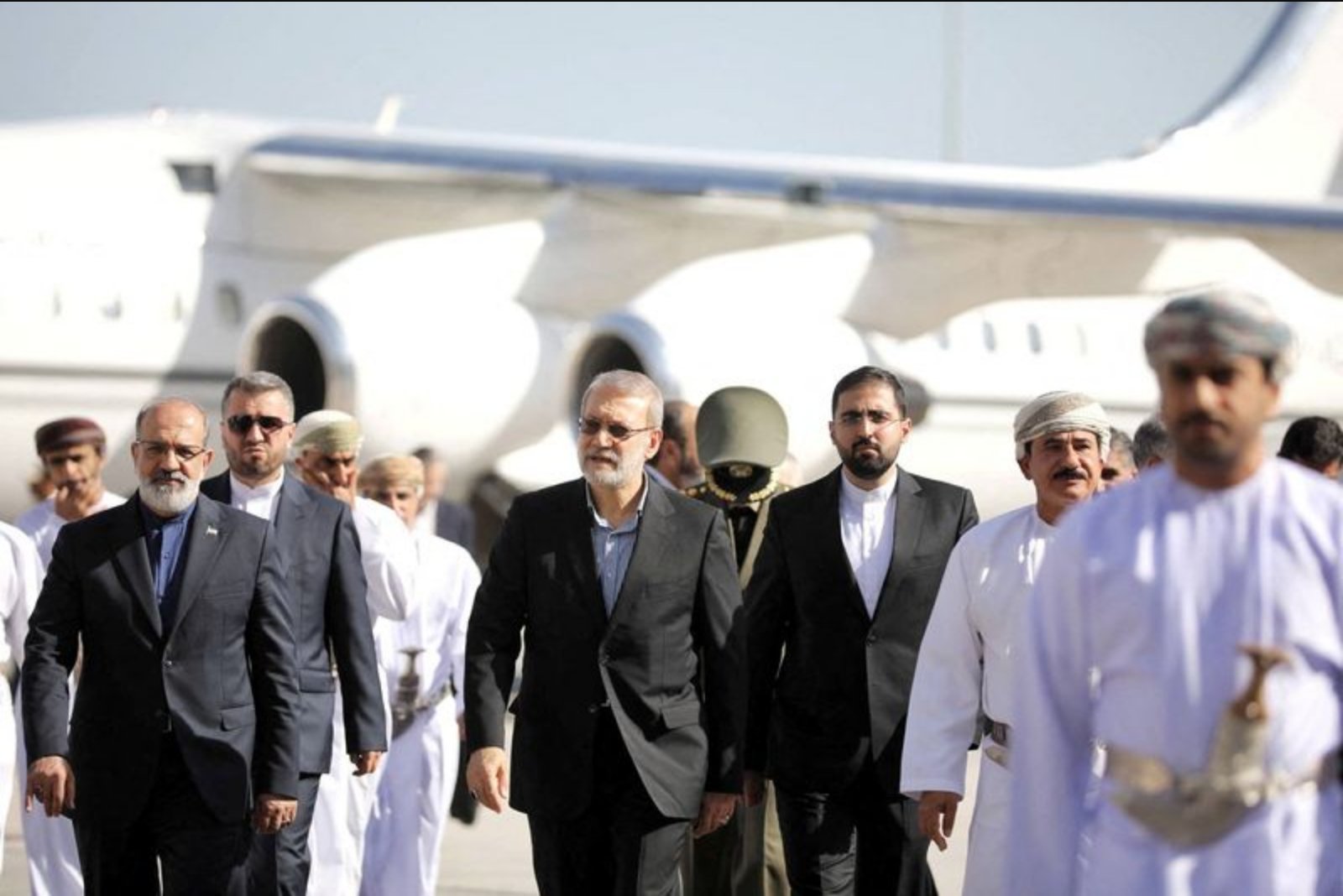
The spokesperson also confirmed that a visit to Oman on Tuesday by Ali Larijani, an advisor to Iran's Supreme Leader, had been planned in advance to follow up on regional consultations. Baghaei said Larijani would next travel to Qatar.
On the subject of an anticipated trip to Washington by the Israeli Prime Minister on Wednesday, Baghaei commented on the pressure dynamics he sees affecting U.S. decision-making. He said the United States "must act independently of foreign pressures, especially Israeli pressures that ignore the interests of the region and even the U.S."
Analysis summary
- The Muscat meeting was short and intended primarily to test the other side's intentions.
- Iran reported sufficient agreement emerged from the talks to justify continuing diplomatic engagement.
- Ali Larijani's Oman trip was described as pre-planned and part of ongoing regional consultations, with Qatar as his next destination.
- Baghaei urged that U.S. policy should not be shaped by external pressures, naming Israeli pressure specifically in his remarks.
This account is limited to statements released by Iran's foreign ministry spokesperson and does not include independent verification from other parties.