
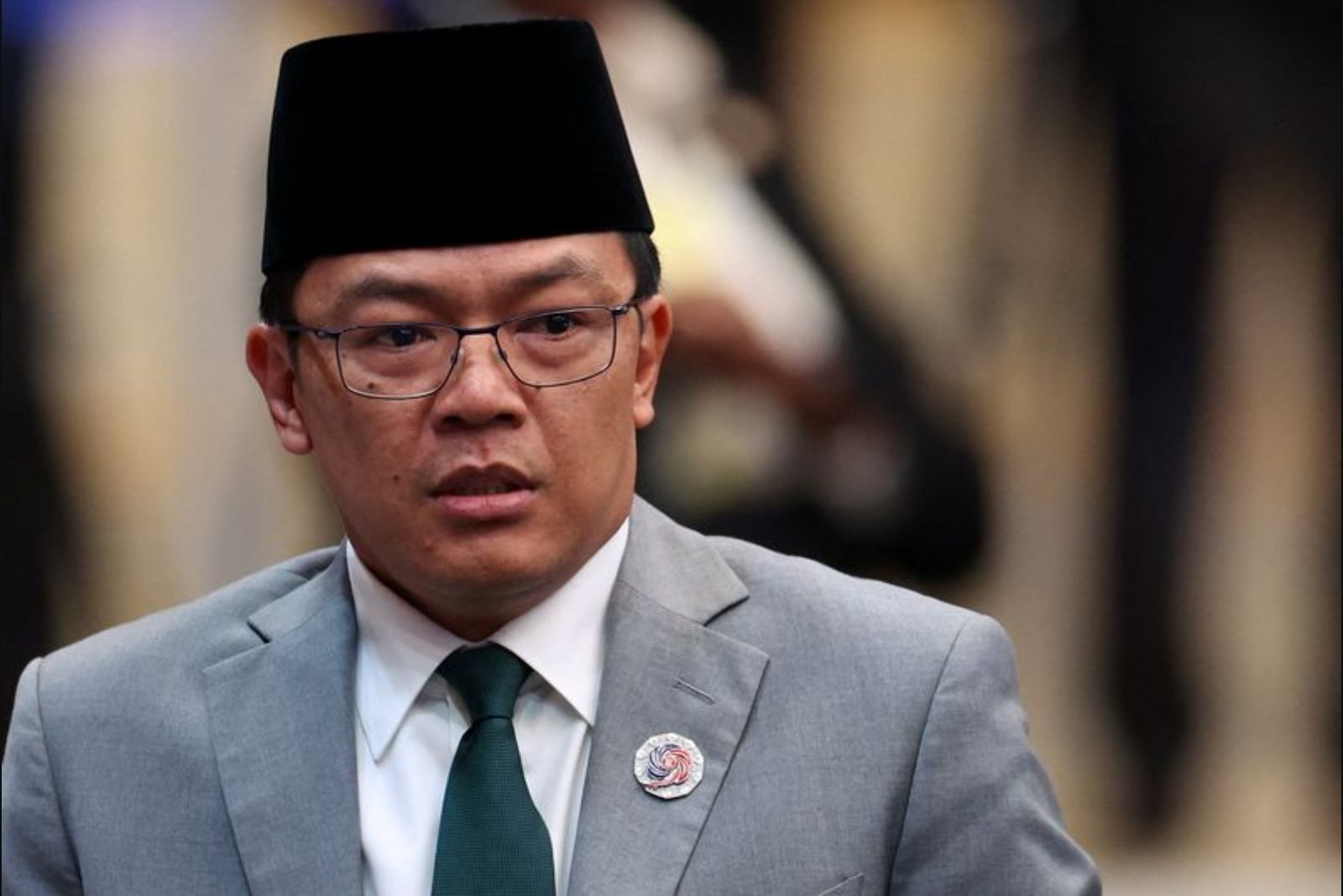
Indonesia has halted internal deliberations on the Gaza "Board of Peace" (BoP) as the government redirects attention to the unfolding Iran conflict, the country's foreign minister, known by the single name Sugiono, told reporters.
"All BoP discussions are on hold as all attention has shifted to the situation in Iran," Sugiono said late on Tuesday in response to questions about calls for Indonesia to withdraw from the U.S.-proposed body in the wake of the recent escalation in the Middle East.
Sugiono, speaking after attending an event with President Prabowo Subianto, added: "We will also consult with our friends and colleagues in the Gulf because they are also under attack."
The pause comes amid an intense U.S. and Israeli air campaign against Iran that has, according to reporting, killed scores of civilians, thrown global air transport into chaos and sent oil prices higher following an effective closure of the Strait of Hormuz.
Indonesia is a key troop-contributing nation for the BoP initiative. That participation has drawn criticism domestically from experts and Muslim groups who argue membership undermines Jakarta's longstanding support for the Palestinian cause. Indonesia, which describes itself as backing a two-state solution, faces pressure from influential religious organisations at home.
For example, the Indonesian Ulema Council said on March 1 that Indonesia should leave the board, citing what it framed as Trump's attack on Iran and arguing that the initiative had been rendered ineffective. Nahdlatul Ulama, the country's largest Muslim organisation, urged the government to use its BoP position to push Israel and the United States to stop the violence.
U.S. President Donald Trump first proposed the board in September when he presented a plan intended to end Israel's war in Gaza. The initiative's remit has since been expanded to include other international conflicts that are more commonly addressed through United Nations mechanisms.
Sugiono also said President Prabowo has expressed willingness to play a mediating role in the Iran conflict, describing the aim as an effort "to cool down and de-escalate the situation in the region."
Separately, Indonesia's army has said the country is preparing 1,000 troops for possible deployment to Gaza by early April as part of a proposed multinational peacekeeping force linked to the UN-mandated International Stabilization Force. Indonesia has been assigned the deputy commander role within that force.
Context and domestic response
The decision to pause BoP talks reflects the government's immediate focus on the Iran crisis and its implications for regional partners, supply routes and national diplomatic posture. Domestic organisations have articulated contrasting expectations: some call for withdrawal from the BoP, while others urge Jakarta to leverage its role to demand an end to violence.
What remains uncertain
The duration of the pause in BoP discussions is unclear, as is how consultations with Gulf partners will alter Indonesia's position. The government has not announced a timetable for resuming talks or a change in its commitment to supplying troops to the proposed Gaza force.