
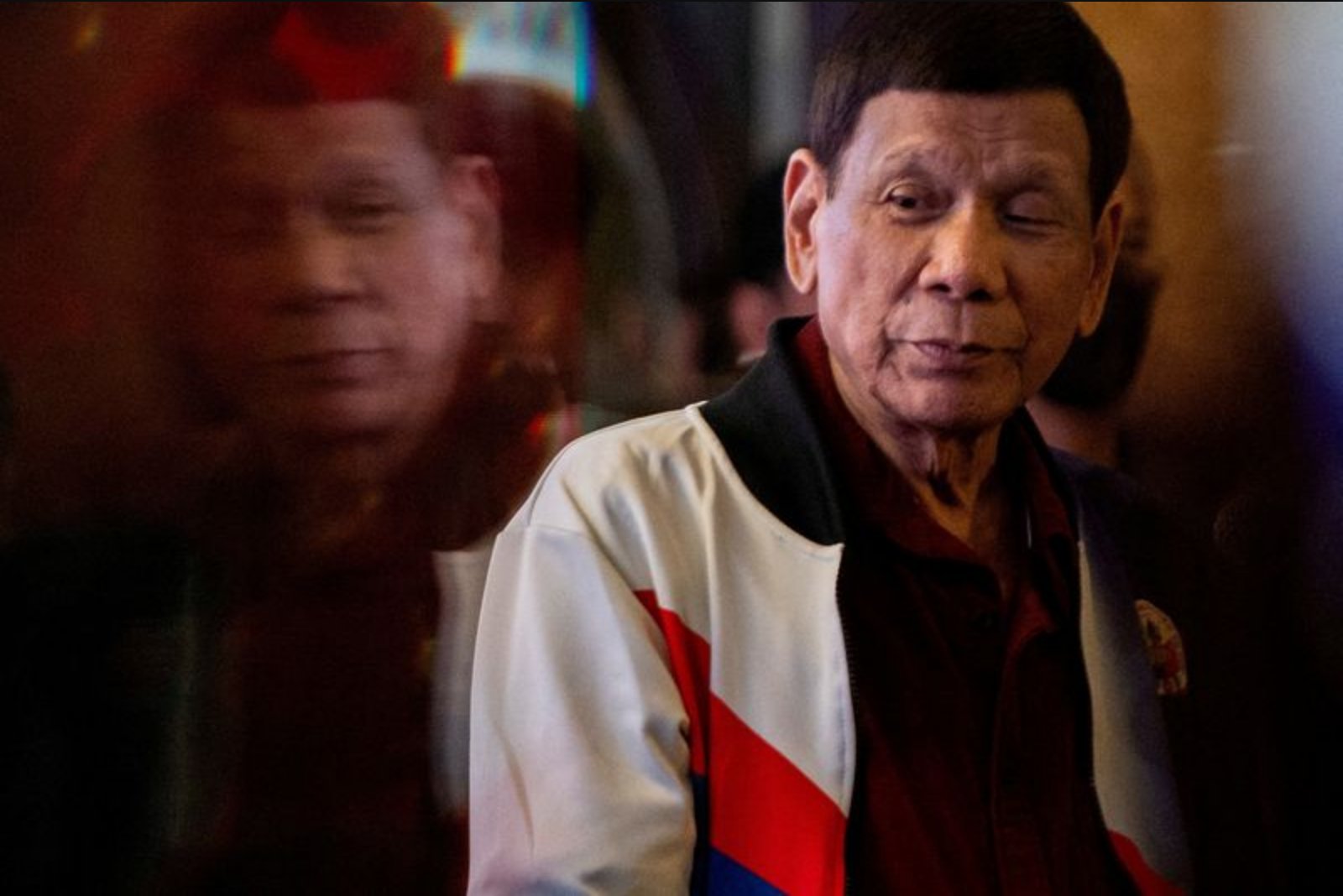
Prosecutors at the International Criminal Court (ICC) in The Hague opened pre-trial hearings on Monday asserting that former Philippine President Rodrigo Duterte was "pivotal" in a concerted campaign that resulted in the deaths of thousands of civilians. They urged judges to confirm charges of murder as crimes against humanity so the matter can proceed to a full trial.
At the centre of the prosecutions' case is the claim that Duterte, who led the Philippines from 2016 to 2022, played an essential role in planning and enabling the killings. "Mr Duterte played a pivotal role in the committing of the charged crimes. His contribution was essential, as he was at the very heart of the plan to neutralise alleged criminals including through murder," prosecutor Mame Niang said during opening arguments in the confirmation hearings.
The ICC has charged Duterte with three counts of murder as a crime against humanity. Prosecutors said the charges involve dozens of named victims, and that those documented deaths are likely only a fraction of the total toll resulting from his campaign against alleged narcotics peddlers and users.
According to the prosecution's account presented in court, Duterte created, funded and armed death squads whose purpose was to target and kill individuals accused of involvement in the drug trade. "Duterte's so-called war on drugs resulted in the killings of thousands of civilians and many of these victims were children," Niang said, urging judges to hold Duterte accountable and confirm the case for trial.
Under ICC procedures, judges must determine whether the evidence is sufficient to confirm the charges before the case can move to trial. The pre-trial hearings are scheduled to run through Friday; following their conclusion, judges will have up to 60 days to issue a decision on whether the case should be referred to trial.
Duterte, who is 80 years old, will not be present for the hearings. His defence has argued that he would not be able to follow the proceedings because of cognitive decline. Those opposed to that decision called it evasive. "For us, it's cowardice," said Sheerah Escudero, whose brother was killed during the campaign. "We know that Duterte will not be able to escape accountability."
Supporters of the prosecution gathered outside the court, chanting in Tagalog and calling for responsibility to be enforced. "I hope, and I am quite confident, that the charges of murder and attempted murder will be confirmed" and that Duterte's guilt will ultimately be proven, said Cristina Palabay, a worker with the human rights alliance Karapatan, outside the court building.
The case stems from allegations that during Duterte's presidency his administration oversaw a broad and violent crackdown on people suspected of involvement in illegal drugs. The prosecution presented its theory that the killings were not isolated acts of law enforcement but part of a policy directed from the highest level of government. Duterte has consistently maintained he only authorised police to act in self-defence and has defended the measures taken during his tenure.
The confirmation decision is a procedural but crucial step under ICC rules. If judges find the evidence sufficient within the allotted timeframe, the matter would proceed to a trial where the charges would be tested in full. If judges determine there is insufficient evidence, the case would not reach that stage. The hearings and the judges' forthcoming deliberations will determine which path this proceeding takes.