
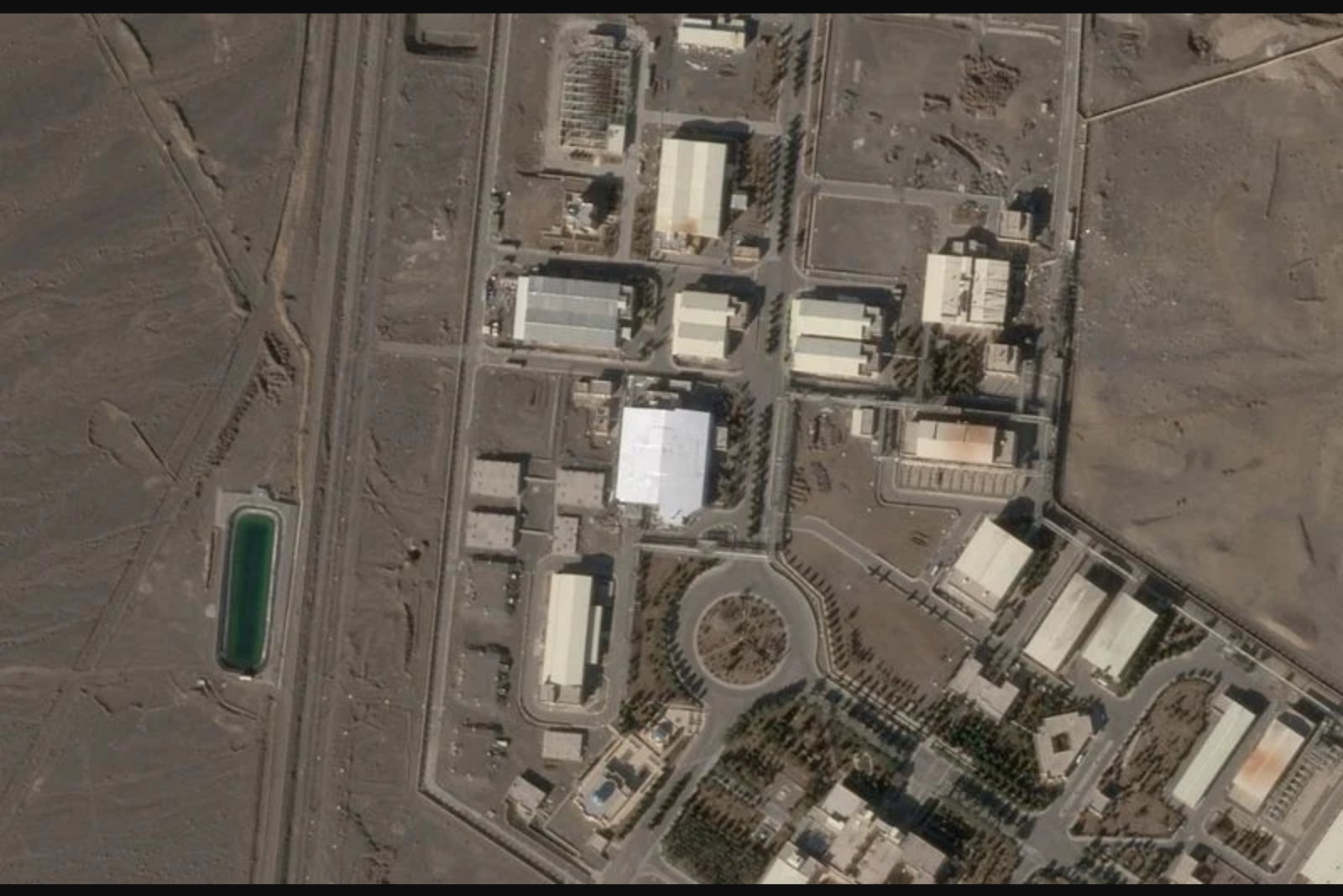
VIENNA, June 4 - The United Nations' nuclear watchdog has distributed a report to its member states that, by its own account, registers little substantive change in the status of Iran’s nuclear activities despite three months of U.S.-Israeli military operations carried out with the stated aim of preventing Iran from developing an atomic weapon.
This document is the IAEA’s first substantive assessment of Iran’s nuclear programme since the day before coordinated U.S. and Israeli air strikes were launched at the end of February. It reiterates long-standing demands that Iran provide clear accounting for stocks of enriched uranium that have been unaccounted for since a prior U.S.-Israeli bombing campaign a year ago targeted Iran’s principal nuclear sites.
U.S. President Donald Trump and Israeli Prime Minister Benjamin Netanyahu have repeatedly cited the dismantling or destruction of Iran’s nuclear programme among their principal objectives in authorising the renewed strikes at the end of February. Control and disposition of Iran’s enriched uranium stockpile has been a central point of contention in negotiations between the United States and Iran aimed at ending the conflict, with President Trump insisting that Iran relinquish those materials. Recent diplomatic work has concentrated on a preliminary agreement that would defer nuclear questions to a later stage.
The confidential report, one of two the agency issued on Thursday and provided to member states ahead of next week’s quarterly meeting of the IAEA’s 35-nation Board of Governors, shows very little deviation from the assessments included in the agency’s last reports from late February, just prior to the most recent round of strikes.
In the report, the Director General is quoted as stressing to Iran that the effective implementation of the Non-Proliferation Treaty Safeguards Agreement is both indispensable and urgent, and that its implementation cannot be suspended by Iran under any circumstances. The document underscores the agency’s continuing inability to return to nuclear facilities that were struck in June in the course of U.S. and Israeli military operations.
Iran has not informed the IAEA of the fate of declared stocks of low-enriched uranium (LEU) and highly enriched uranium (HEU), including material enriched to up to 60% purity - a level the report describes as a short step from roughly 90% weapons-grade uranium. The IAEA highlights that its lack of access to verify these previously declared inventories for nearly a year is inconsistent with standard safeguards practice and raises proliferation concerns as well as questions of compliance with the NPT Safeguards Agreement.
The agency uses the term "continuity of knowledge" to describe its tracking of nuclear material over time; the report warns that losing oversight for this span risks losing that continuity. It states: "The Agency’s loss of continuity of knowledge over all previously declared nuclear material at affected facilities in Iran needs to be addressed with the utmost urgency," explicitly referring to the facilities impacted by the strikes in June.
Taken together, the reports issued on Thursday portray a situation that the IAEA says remains largely unchanged since late February, while emphasising the pressing need for Iran to provide explanations and for the agency to regain verification access so that safeguards can be meaningfully implemented.
What this means for stakeholders
For international monitors and governments, the report reinforces long-standing concerns about gaps in verification and the implications of prolonged lack of access. For parties negotiating to end the conflict, the unresolved status of enriched uranium inventories remains a core stumbling block. For markets and sectors such as defence and energy, the report underscores a continued source of geopolitical risk that could influence policy decisions and investor sentiment, even as the IAEA records little observable change in material declarations since late February.