
World March 2, 2026

IAEA Sees No Evidence Nuclear Sites Were Struck, While Iran Says Natanz Was Targeted

Agency reports no sign of damage to safeguarded facilities but cannot reach Iranian counterparts; Tehran asserts attack on Natanz

By Nina Shah
IAEA Sees No Evidence Nuclear Sites Were Struck, While Iran Says Natanz Was Targeted

The International Atomic Energy Agency told its Board of Governors it has no indication that Iran's nuclear installations have been hit during recent strikes, while Iran's envoy to the agency said the Natanz complex was attacked the previous day. The IAEA also said it has been unable to re-establish contact with Iranian nuclear regulators following earlier strikes in June, leaving its assessment constrained.

Key Points

  • IAEA director Rafael Grossi reported to the Board of Governors that the agency has no indication any Iranian nuclear installations have been damaged or hit.
  • Iran's IAEA ambassador Reza Najafi told reporters the Natanz nuclear complex was attacked the previous day and said: "Again they attacked Iran's peaceful, safeguarded nuclear facilities yesterday."
  • Sectors potentially affected include defense and energy-related markets due to heightened geopolitical uncertainty, and financial markets that monitor regional risk sentiment.

The International Atomic Energy Agency informed its 35-nation Board of Governors that it has found no signs indicating Israel and U.S. strikes have damaged Iran's nuclear installations, a statement delivered by IAEA chief Rafael Grossi said. The declaration came shortly before Iran's representative to the agency asserted that the sprawling Natanz nuclear complex had been hit the day before.

Grossi told the board: "We have no indication that any of the nuclear installations ... have been damaged or hit." He also noted that the agency's ability to verify conditions on the ground is limited, because officials in Vienna have been unable to reach their Iranian counterparts.

"Efforts to contact the Iranian nuclear regulatory authorities ... continue, with no response so far. We hope this indispensable channel of communication can be re-established as soon as possible," Grossi said, underscoring that the IAEA has not been permitted to return to facilities that were struck in June.

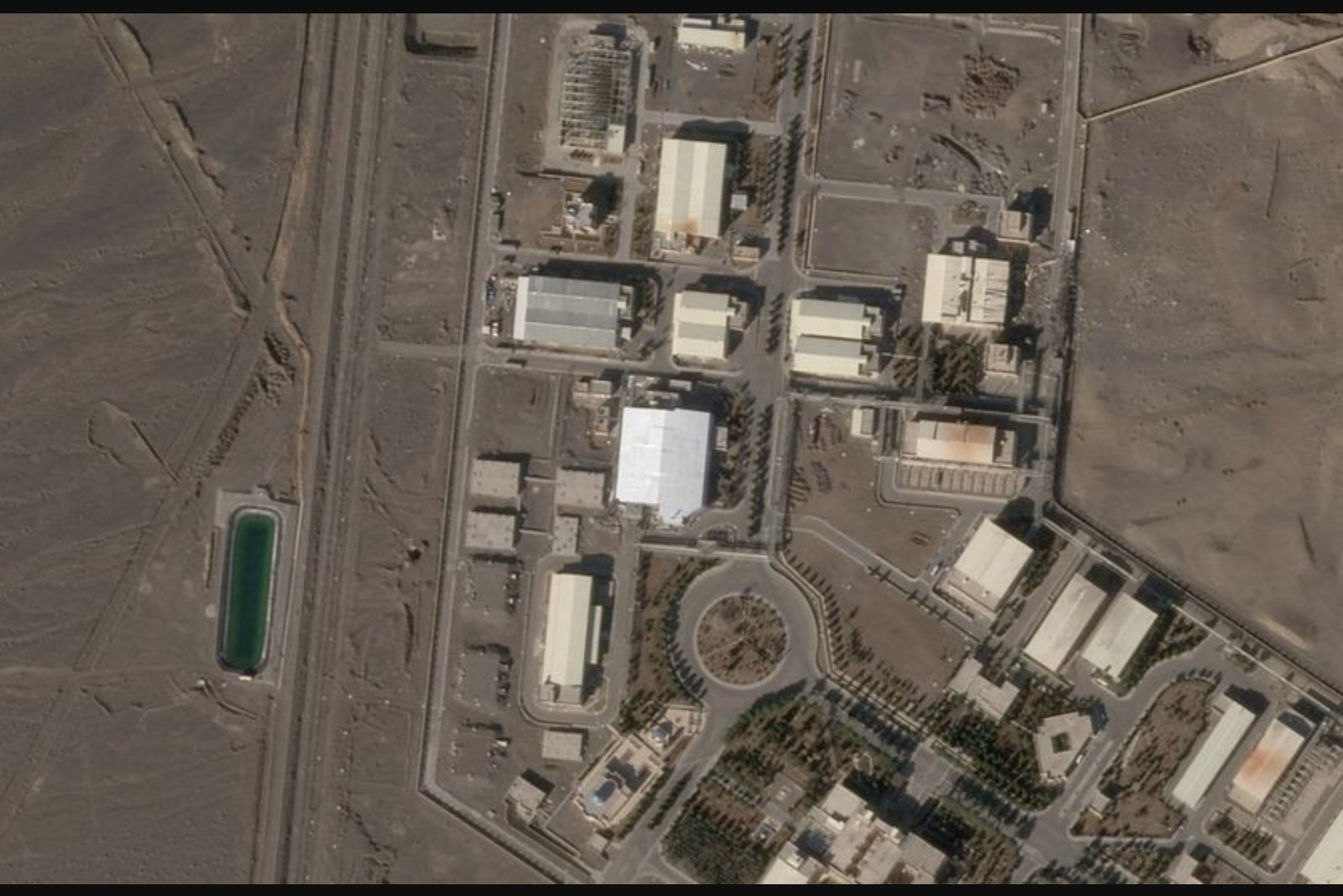
Moments after Grossi's statement, Iran's ambassador to the IAEA, Reza Najafi, spoke to reporters outside the closed-door meeting and said the Natanz complex had been attacked. Najafi said: "Again they attacked Iran's peaceful, safeguarded nuclear facilities yesterday." When asked which facility had been hit, he replied: "Natanz" and then left.

The IAEA statement and Iran's claim sit alongside previous accounts of damage in June, when two uranium-enrichment sites at Natanz were struck. One above-ground plant was described by the agency as destroyed and an underground facility was said to have been at least badly damaged, in addition to harm at other locations.

The reason cited by Israel and the United States for recent strikes has included concerns about Iran's nuclear programme, with the two governments saying Tehran was approaching a capability that could eventually lead to producing an atomic bomb. Despite those concerns, what remains of Iran's atomic infrastructure after the June attacks has, so far, appeared largely spared in the current campaign, the IAEA noted.


This situation leaves the IAEA with limited verification access and Iran maintaining its own account of an attack on Natanz. The agency continues efforts to re-establish direct lines of communication with Iranian nuclear authorities so it can more fully assess the state of safeguarded installations.

Risks

  • Verification uncertainty - the IAEA has not been able to reach Iranian nuclear regulators and has not been permitted to return to facilities struck in June, limiting independent assessment; this affects regulatory oversight and market confidence.
  • Escalation risk - conflicting claims about strikes on nuclear sites create potential for heightened tensions, a factor relevant to defense spending and regional stability that can influence energy and financial markets.
  • Safeguards impairment - inability of the IAEA to access damaged sites and confirm conditions raises uncertainties about the status of safeguarded facilities, with implications for international monitoring frameworks and investor risk assessments.

More from World

Khomeini’s Grandson Emerges as a Prominent Figure in Succession Debate Mar 2, 2026 Merz Heads to Washington as Middle East Operation Casts Shadow Over Visit Mar 2, 2026 Kremlin Says Continuing Negotiations With Kyiv Serves Russia’s Interests Mar 2, 2026 Iran Strikes Heighten Prospects and Perils of Renewed North Korea-U.S. Nuclear Dialogue Mar 2, 2026 Widespread Protests Erupt After Iran Struck; At Least 23 Killed in Pakistan Clashes Mar 2, 2026