
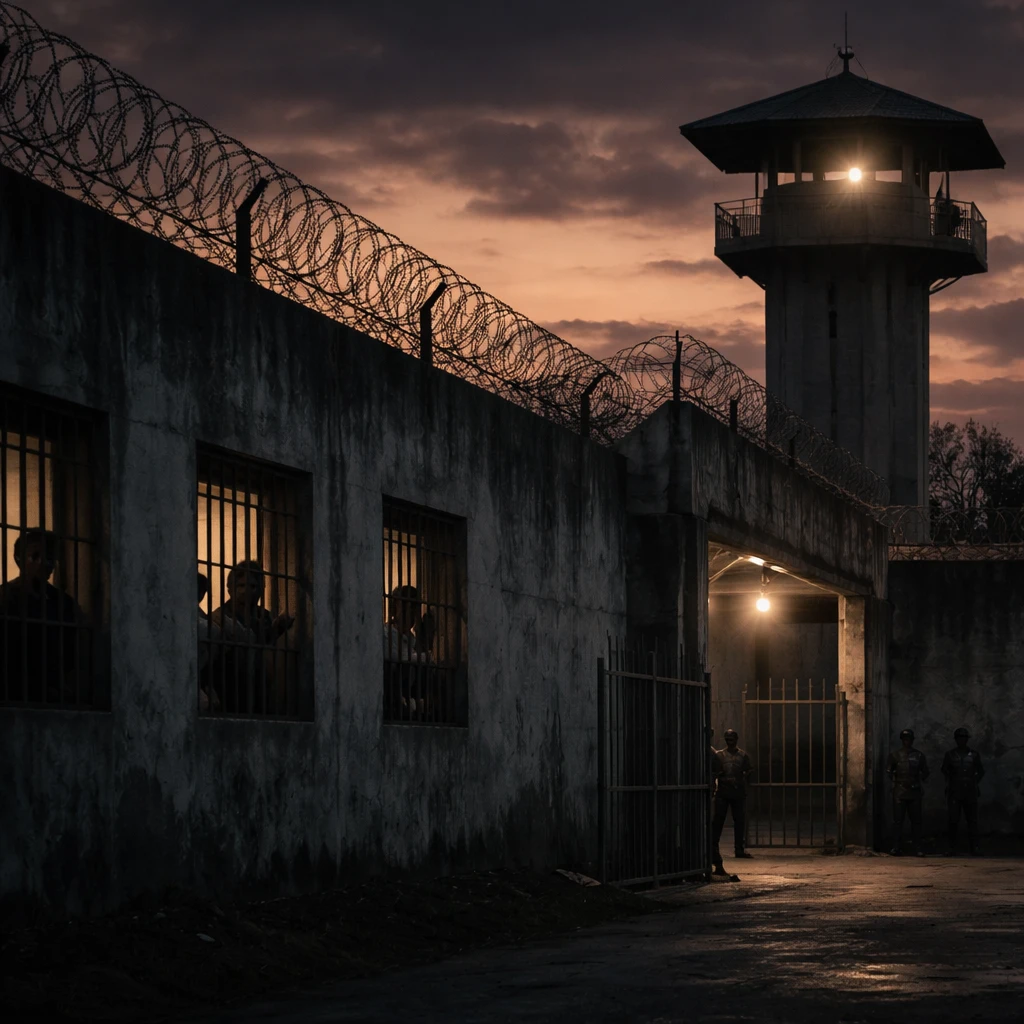
On March 16, Human Rights Watch (HRW) published findings that allege El Salvador subjected a group of nationals returned from the United States to enforced disappearance and arbitrary detention. The report centers on 11 Salvadorans who were deported and detained without their whereabouts being disclosed or access to judges being provided.
HRW said those 11 individuals were among more than 9,000 Salvadorans deported from the United States since early January 2025 under the policies of U.S. President Donald Trump. The rights group interviewed relatives and lawyers and documented restrictions on contact and judicial oversight for the detainees.
"The United States should stop casting people into the black hole of El Salvador’s prison system," said HRW Americas Director Juanita Goebertus, a line the report uses to underscore concerns about lack of transparency and safeguards for people returned to El Salvador.
The report notes that Trump invoked the 1798 Alien Enemy Act, a little-used wartime statute, to deport immigrants the U.S. labeled national security risks without providing the usual due process protections. HRW said neither the U.S. nor El Salvador have presented evidence that the detained Salvadorans were gang members, beyond U.S. claims that some belong to the MS-13 gang.
HRW researchers conducted interviews with 20 relatives and lawyers representing the 11 Salvadorans deported between mid-March and mid-October 2025 and who were detained immediately upon arrival. According to the report, none of those 11 had been brought before a judge or allowed to contact family members following deportation.
Some of the individuals in the group were returned to El Salvador in March 2025 together with 252 Venezuelans and were held at a maximum-security confinement facility identified in the report as CECOT. Family members and attorneys interviewed by HRW denied the men had gang links and said they were frequently left unaware of detainees' locations.
Context
HRW data included in the report indicates that only 10.5% of the more than 9,000 people deported from the United States to El Salvador since January 2025 had U.S. convictions for a violent or potentially violent crime. The report also references separate controversy over the deportation of Venezuelans to El Salvador, which drew criticism from rights groups and led to legal challenges.
El Salvador’s president, Nayib Bukele, declared a state of emergency in March 2022 that remains in effect, the report states. That state of emergency, HRW says, has been accompanied by mass arrests and the suspension of due process rights.
El Salvador’s government did not immediately provide a response to requests for comment on HRW’s findings. The report highlights ongoing uncertainty about the legal status and treatment of deported individuals held in Salvadoran custody.