
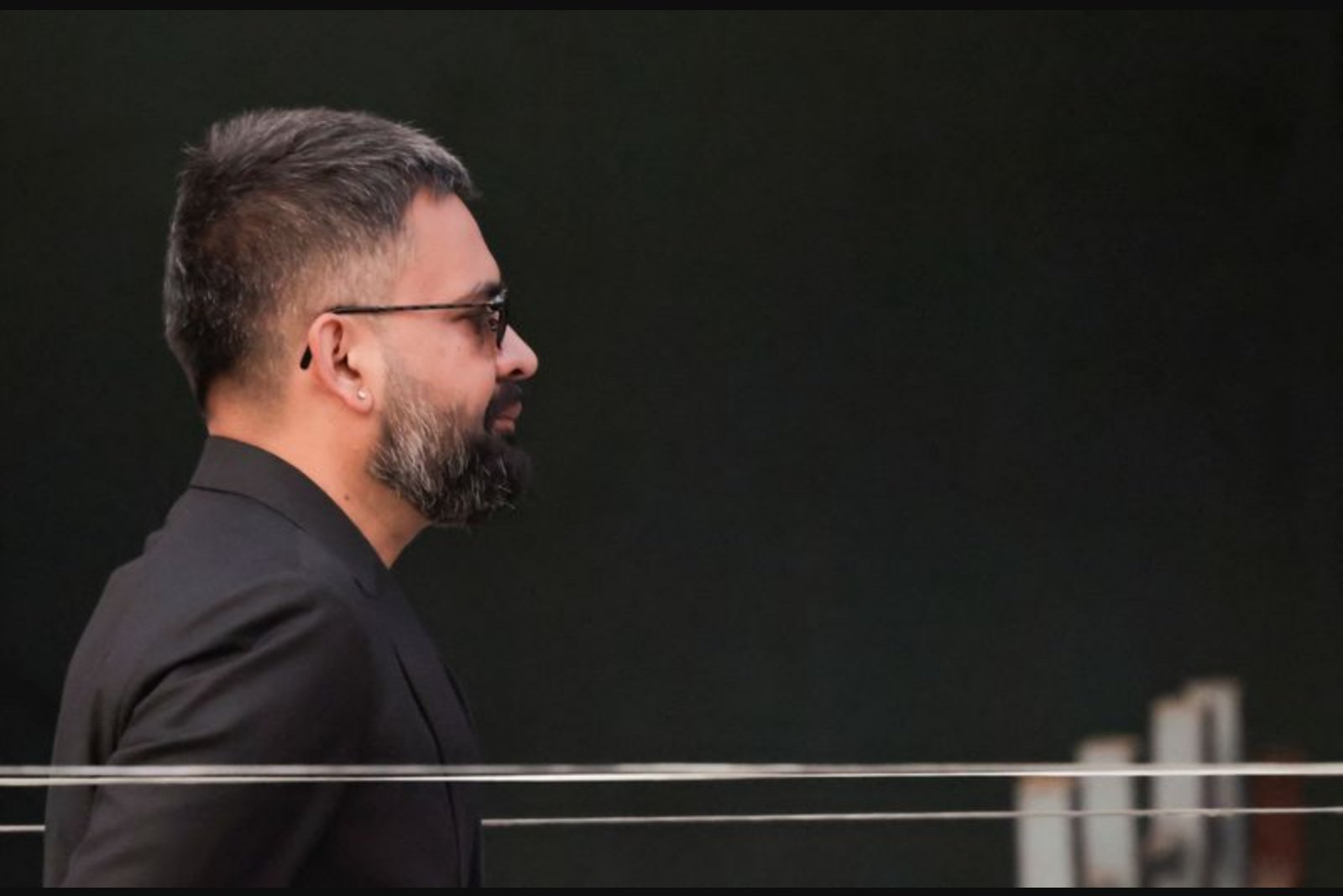
KATHMANDU, March 7 - From the top three floors of a six-storey building in the Balaju neighbourhood of west Kathmandu, a campaign operation engineered by the Rastriya Swatantra Party (RSP) has pushed 35-year-old Balendra Shah to the center of Nepal’s national election outcome.
Party officials say the RSP’s headquarters became the nerve centre for a campaign that overturned expectations and sidelined long-established political figures in the vote count that unfolded two days after the country’s first election since September’s youth-led protests led to the resignation of the previously elected government.
As vote tallies continue, the election commission is due to deliver final results for 165 direct, first-past-the-post seats and 110 seats allocated through proportional representation by next week. If current trends persist, Shah - popularly known as Balen - will have converted the momentum generated by last year’s uprising into one of the most sophisticated election efforts the country has seen, according to interviews with RSP officials.
RSP participants describe a campaign deeply organized at the national level and supplemented by local candidate activity. Much of the strategic planning and coordination was run out of the top three floors of the party’s Balaju office, with officials citing substantial financial support from Nepalis living abroad, especially donors in the United States.
"We are overwhelmed by the support and love we received from people on the ground," said Bigyan Gautam, a member of RSP’s national campaign team, reflecting on the scale of grassroots engagement the party recorded during the run-up to polling.
The heart of the operation was the Research, Strategy and Documentation Department. That unit is overseen by an 11-member board and supervises around 300 party workers organized into three national groups. These national teams supplemented smaller, candidate-led local units and were tasked with planning election tactics, organising rallies, producing and managing online content, and monitoring feedback from across the country, three party officials said.
Centralised control extended to how the party paced Shah’s public appearances. The campaign followed a media cadence designed to avoid message dilution - Shah delivered a major speech approximately every eight days, a rhythm meant to give each rally time to be amplified by a 660-strong social media team before the next event.
"If you keep giving speeches, people get confused," a party official said, speaking on condition of anonymity. "We let opposition parties raise some issues, and then respond once. This way, our message stays clear."
Complementing the speech schedule was an active ground campaign. RSP ran road shows in five to seven districts daily and ensured Shah made brief appearances in one of Nepal’s seven provinces each day, allowing him to meet voters across diverse regions without committing to lengthy interviews or formal media appearances. Party officials said Shah avoided sit-down media interviews, preferring impromptu interactions and on-the-ground conversations.
Financing was a mix of centrally funded and candidate-financed activity. Large events and the centralised campaign apparatus were paid for directly by the party, drawing heavily on donations from the Nepali diaspora, according to two officials. At the same time, RSP Treasurer Lima Adhikari said individual candidates were charged with organising and funding their own constituency-level events.
Shah’s rise to national prominence was rooted in a prior victory at the municipal level. Before joining the RSP in December ahead of the parliamentary polls, he won the Kathmandu mayoralty in 2022 by leveraging his celebrity as one of Nepal’s most popular rap artists and a large social media following.
On January 19, Shah spoke at a rally in the capital of Nepal’s Madhesh province, standing alongside RSP founder and television host-turned-politician Rabi Lamichhane. In front of thousands he declared, "A Madhesi boy is going to become prime minister." That speech spread rapidly on social media and became a focal point for the party’s strategy to position Shah as a national figure capable of transcending historical elite dominance.
Madhesh and the surrounding Terai plains are the country’s most populous areas, yet national politics historically featured leaders from Kathmandu and the mountainous regions. Party officials said their campaign deliberately targeted that dynamic, betting Shah could become the first leader from the plains to win the premiership.
"It was very clear to us that the nation was fed up with the old corrupt leaders and they were seeing hope in young leaders like Balen Shah and Rabi Lamichhane," said Birendra Kumar Mehta, a member of RSP’s central committee. "The party saw this as an opportunity."
Shah is contesting the national election from Jhapa-5, a constituency in the plains long associated with K.P. Sharma Oli, who stepped down as prime minister after the September protests. In the rural precincts of Jhapa-5, Shah’s campaign maintained its unconventional approach: eschewing formal media interviews, making on-the-spot stops to engage voters, and mobilising a network of youth volunteers across the constituency.
Part of Shah’s field team, bolstered by the RSP operation in Kathmandu, systematically collected voter feedback and complaints, tracking issues from local development projects to general governance concerns. That intake of constituent input formed part of the party’s pitch for a new governing approach.
RSP leaders say any administration led by Shah would prioritise youth engagement and the extensive integration of technology into governance. D.P. Aryal, the party’s vice chairperson, added that Shah’s government would look to recruit outside experts to strengthen administrative capacity.
This campaign has drawn attention for combining digital muscle and targeted regional outreach, financed in part by diaspora donors, while leaving room for individual candidates to run and fund their own local efforts. With official seat tallies still incomplete, the next phase will reveal whether this model translates into sustained legislative authority and governing power.