
Hezbollah’s recent military action in support of Iran has ruptured the group’s domestic political alliances and amplified criticism within Lebanon over its role as an armed political actor. The decision to strike Israel with rockets and drones - framed by Hezbollah as retaliation for the killing of Iran’s Supreme Leader Ali Khamenei - caught even some senior figures in the movement unprepared and has left the group facing renewed isolation at home.
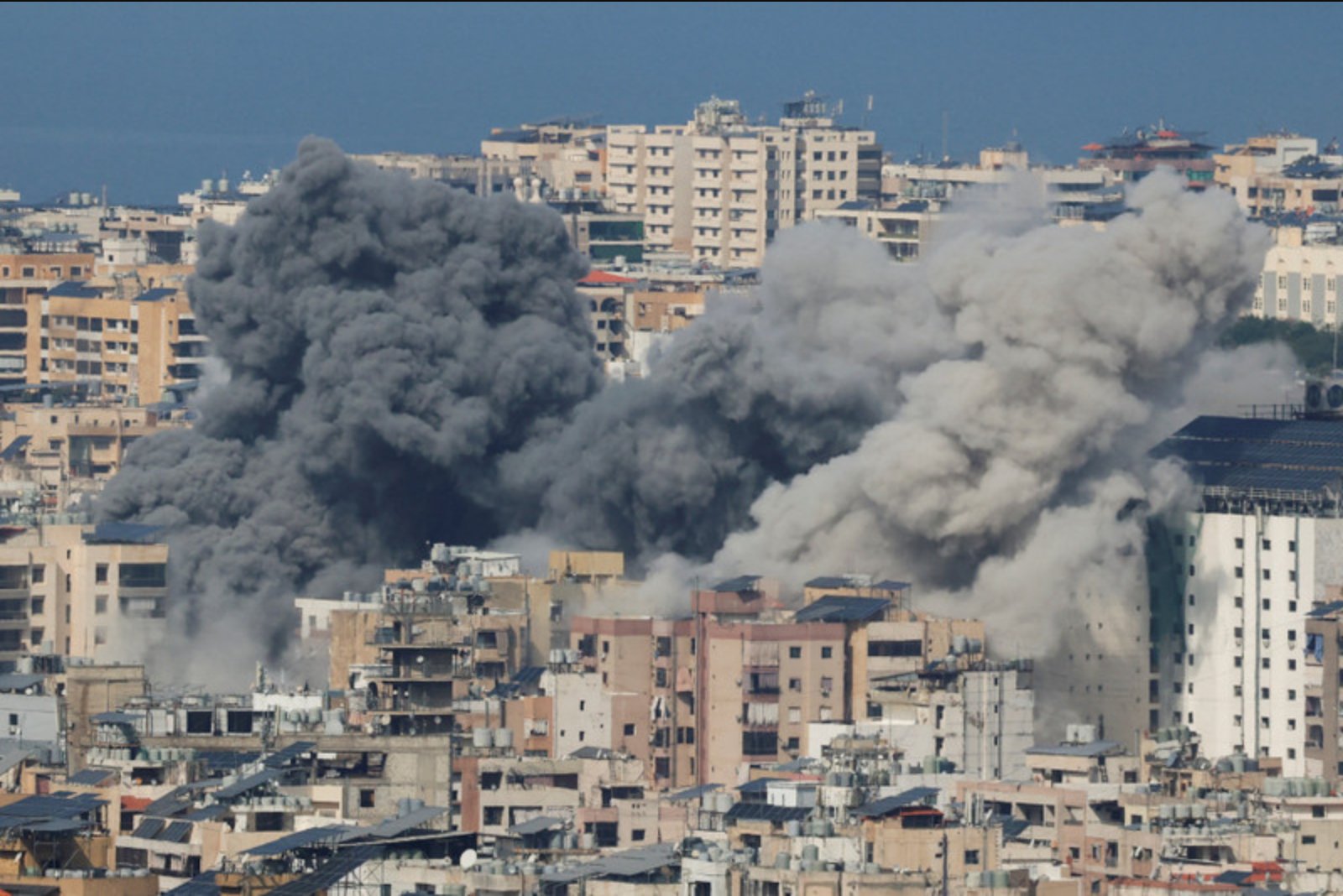
The cross-border attack triggered rapid and forceful Israeli reprisals that, according to reports, killed dozens of Lebanese and displaced tens of thousands. The outbreak of fighting comes only 15 months after a prior war in which Israel’s actions caused substantial damage in Lebanon and aggravated an already severe economic crisis.
For many Lebanese, the incident revived persistent criticism that Hezbollah, which was founded by Iran’s Revolutionary Guards in 1982 and evolved into the country’s most powerful political player and a regional military force, operates as a "state-within-a-state." Critics argue that the group’s superior armaments relative to Lebanon’s armed forces make it capable of pulling the country repeatedly into conflict with Israel.
Internal confusion and secrecy
Sources close to Lebanon’s political scene and a senior security official said top Hezbollah political figures were not briefed in advance about the decision to attack Israel. According to these accounts, Hezbollah’s principal decision-making bodies - the Shura Council and the Jihad Council - had endorsed the move but had not informed most of the party’s political leadership, leaving many officials "in a state of confusion" on the day the strikes occurred.
Despite those reports of limited internal notice, senior Hezbollah politician Mahmoud Qmati told Lebanese broadcaster Al-Jadeed that the group’s "political and military decisions are Lebanese," and insisted the movement was acting with "the highest degree of unity." Qmati also said Hezbollah "did not let down our great ally, Speaker Berri... this will become clear in the coming days."
Rift with Nabih Berri and Amal
The attack fractured the long-standing alliance between Hezbollah and Parliament Speaker Nabih Berri, who leads the Shi’ite Amal Movement. Four Lebanese sources familiar with the split said Berri, a Shi’ite politician who has generally moved in step with Hezbollah for decades, felt betrayed after having been given assurances that Hezbollah would not retaliate against Israel or seek to provoke a new war in response to strikes on Iran.
According to two Lebanese political figures and two additional political sources aware of Berri’s stance, he passed on those reassurances to other senior Lebanese officials, including the president. When Hezbollah launched its assault, Berri was reportedly upset and felt he had been "fooled," the sources said.
Historically, Berri has played a key mediating role on behalf of Hezbollah, negotiating with other political actors and, as those sources note, helping to secure the 2024 ceasefire that ended the last round of hostilities with Israel. The unexpected turn of events has therefore created a faultline in Shi’ite political representation that had previously concentrated influence in a Hezbollah-Amal duopoly within Lebanon’s multi-sectarian system.
Cabinet reaction and ministerial stances
In a Lebanese cabinet session held on the day of the attacks, ministers affiliated with Amal did not oppose a government decree that outlawed Hezbollah’s military activities. At the same time, two Hezbollah-affiliated cabinet ministers told reporters they opposed the decision, defending the group and arguing against holding "the resistance" accountable, according to quoted remarks from Lebanon’s health minister Rakan Nassereddine.
One Lebanese political figure close to both Berri and Hezbollah suggested that, despite his anger, Berri felt constrained by the widespread pressure to isolate Hezbollah. Analysts quoted by sources said the episode sets the stage for a potential political confrontation between the government and Hezbollah and leaves the group in a precarious position domestically.
"It’s understandable because Berri was promised Hezbollah would not intervene. This certainly sets things up for a political confrontation between the government and Hezbollah," said Michael Young of the Carnegie Middle East Center. "Hezbollah is in a very bad position and has been put in a corner," he added.
Shock among Hezbollah’s constituency
Interviews with more than a dozen members of Lebanon’s Shi’ite community, including some who are loyal to Hezbollah, revealed a level of surprise and unease within the group’s base. Public criticism of Hezbollah remained rare and sensitive in many parts of the Shi’ite community, yet those interviewed expressed frustration that the movement had appeared to prioritize Tehran’s interests.
One active Hezbollah supporter described attending a rally organized by the group the night before the strikes to protest the killing of Iran’s leader and said they returned home convinced the demonstration would be the extent of the group’s response. The person said they were stunned when reports emerged that rockets had been fired from Lebanon and were even more surprised when Hezbollah claimed responsibility.
"Frankly, we are not in favour of starting a war with unforeseen consequences. Absolutely not. And whoever made this decision is wrong. Look at how scattered the people are in the streets, not knowing where to go. Does this community, which has made so much sacrifice, deserve this?" the supporter said.
Outlook and unresolved questions
The split with Berri and the evident dismay among parts of Hezbollah’s own constituency underline the political toll of the group’s decision to engage directly in a regional confrontation. The internal dynamics described by political figures and security officials point to an organization that, despite unified rhetoric from some senior leaders, is managing internal confusion and facing pressure from allies and constituents alike.
As Lebanon copes with the immediate human cost of the hostilities - with reported deaths and large-scale displacement - the episode also reopened debates about the country’s security architecture, the role of non-state armed actors, and how those dynamics intersect with Lebanon’s fragile economy and governance structures.
At present, accounts differ over the degree of internal coordination within Hezbollah prior to the attack, and the longer-term political consequences for the movement’s domestic standing remain uncertain. What is clear from the reporting to date is that Hezbollah’s action has strained a central pillar of its domestic political support and intensified scrutiny of a group long criticized for its independent military capacity.