
Lebanon’s Hezbollah is reverting to tactics drawn from its earlier roots in guerrilla warfare as it prepares for the prospect of a large-scale Israeli ground offensive and a drawn-out confrontation, four Lebanese sources familiar with the group’s military operations said.
Those sources described fighters operating in smaller teams, avoiding communication devices that might be vulnerable to Israeli interception, and restricting the use of key anti-tank rockets during engagements with Israeli forces. The account offers a picture of a force adapting its operational practice to mitigate the risk of technological and logistical vulnerabilities.
About 15 months after Israel heavily struck Hezbollah in their previous war, Hezbollah’s recent opening of fire last week triggered a fresh Israeli campaign. The sources said the group characterized the action as retaliation intended to avenge the killing of Supreme Leader Ayatollah Ali Khamenei at the start of the U.S.-Israeli war on Iran.
Within Lebanon the group has faced intense criticism for drawing the country into conflict that has displaced some 700,000 people. Hezbollah, however, has described its operations in the current period as "existential defence," presenting its moves as a response to Israeli strikes that, the group says, have persisted since a 2024 ceasefire.
While Israel is planning for the likely continuation of military operations in Lebanon after the Iran war, the four Lebanese sources said Hezbollah’s internal calculations assume Iran’s clerical leadership will survive the wider conflict and that a regional ceasefire, including Hezbollah, will follow.
Operational focus and positioning
The sources, who declined to be named because of the sensitivity of the material, said much of Hezbollah’s recent fighting has been concentrated around the town of Khiyam, near the junction of Lebanon’s border with Israel and Syria. They identified this area as one where Hezbollah expects any Israeli ground incursion to be likely to begin.
The same sources report that Radwan, Hezbollah’s elite fighters who had moved out of the south following the 2024 ceasefire, had returned to that area. Hezbollah’s media office did not immediately respond to a request for comment.
Hezbollah, a Shiite Muslim group founded by Iran’s Revolutionary Guards in 1982, was the only Lebanese faction to retain its arms after the 1975-90 civil war, maintaining them to confront Israeli forces that occupied southern Lebanon until their withdrawal in 2000. That role has contributed to the group’s standing among many Shiites, even as its entry into the Iran war has generated criticism within the community.
Pressure at home and logistics challenges
The present conflict arrives at a fragile moment for Hezbollah. The group came out of the 2024 war significantly weakened and has since faced pressure from the Lebanese state to give up its arsenal. Beirut’s government last week issued a ban on Hezbollah’s military activities.
Compounding Hezbollah’s external pressures, the sources said its principal Syrian ally, President Bashar al-Assad, was toppled in December 2024, interrupting a principal supply corridor from Iran. That disruption to logistical lines is presented by the sources as one factor informing Hezbollah’s more cautious use of heavy ordnance.
Enemy action, command resilience and battlefield adjustments
An Israeli security official, speaking on condition of anonymity, told interlocutors there was no indication Hezbollah intended to de-escalate. Despite Israeli strikes that removed several very senior commanders, the official said Hezbollah appeared to be stabilizing its ranks and continuing to make and implement operational decisions.
Two Lebanese sources added that Hezbollah had appointed four deputies for every commander, a redundancy intended to preserve the command structure and allow operations to proceed if leaders were removed.
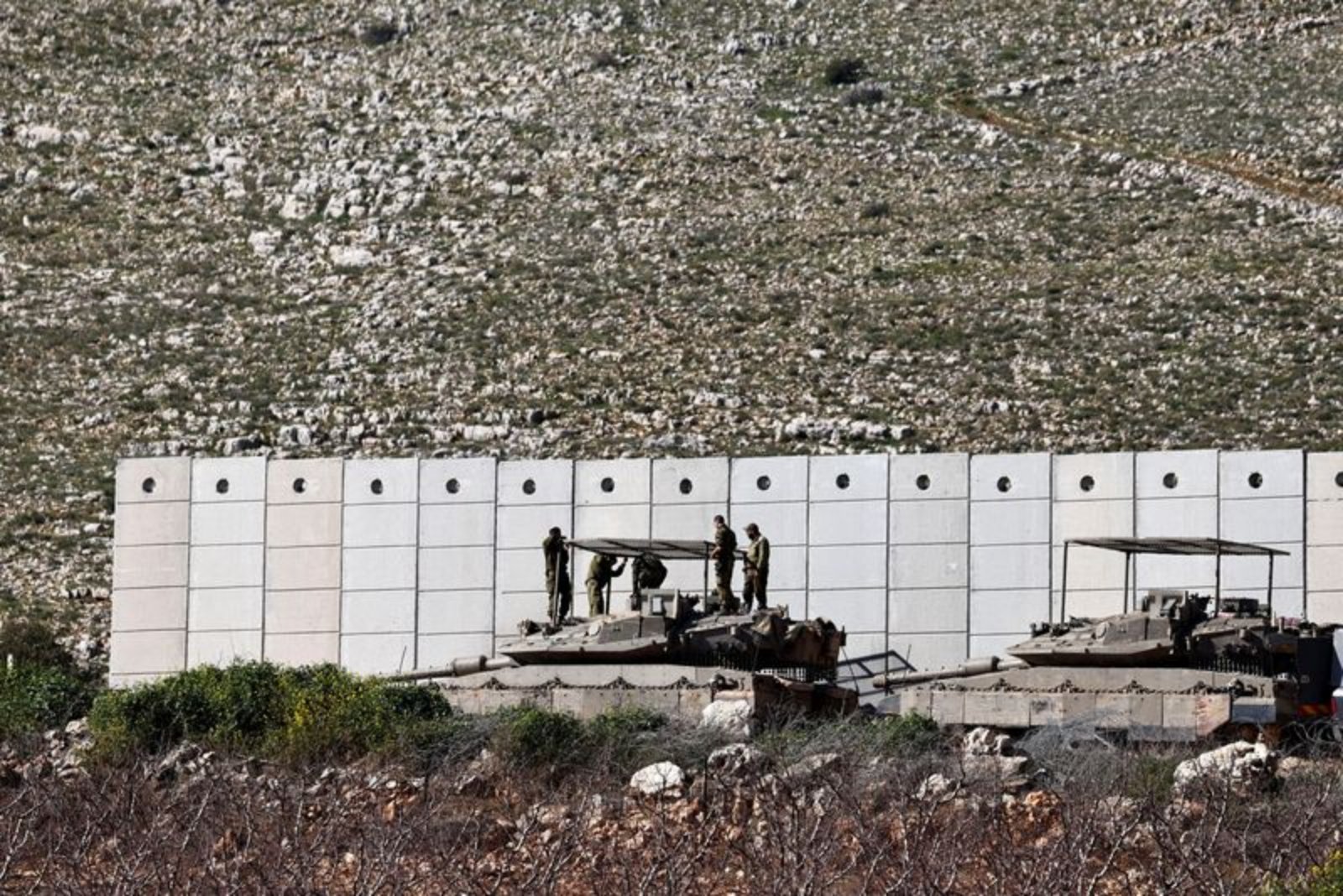
The Israeli military says it has struck hundreds of Hezbollah targets since March 2, conducting airstrikes across southern Lebanon, the Hezbollah-controlled southern suburbs of Beirut, and the eastern Bekaa Valley. Israel has also increased troop deployments in south Lebanon, establishing forward defensive positions intended to guard against potential Hezbollah attacks on northern Israel. Two Israeli soldiers have been killed in Lebanon since the renewed hostilities began. Hezbollah has responded with almost daily drone and rocket attacks against Israeli territory.
Communications security and lessons from 2024
Hezbollah’s post-war inquiry into vulnerabilities after the 2024 conflict concluded that hundreds of pagers used by the group had been booby-trapped and that its private phone network had been penetrated, according to Lebanese officials familiar with that investigation. Those findings have informed current operational discipline, with the sources saying fighters are avoiding devices that could be susceptible to electronic eavesdropping.
That approach has manifested in reduced reliance on electronic communications during operations, smaller tactical units on the ground, and a more conservative use of key heavy weapons designed to preserve them for decisive engagements.
Outlook
Hezbollah’s tactical reorientation reflects a combination of battlefield learning, logistical constraints and political pressure at home. The group’s emphasis on small-unit tactics, communications security, and ordnance conservation illustrates a strategy aimed at sustaining a prolonged confrontation while hedging against potential decapitation of leadership and supply disruptions.