
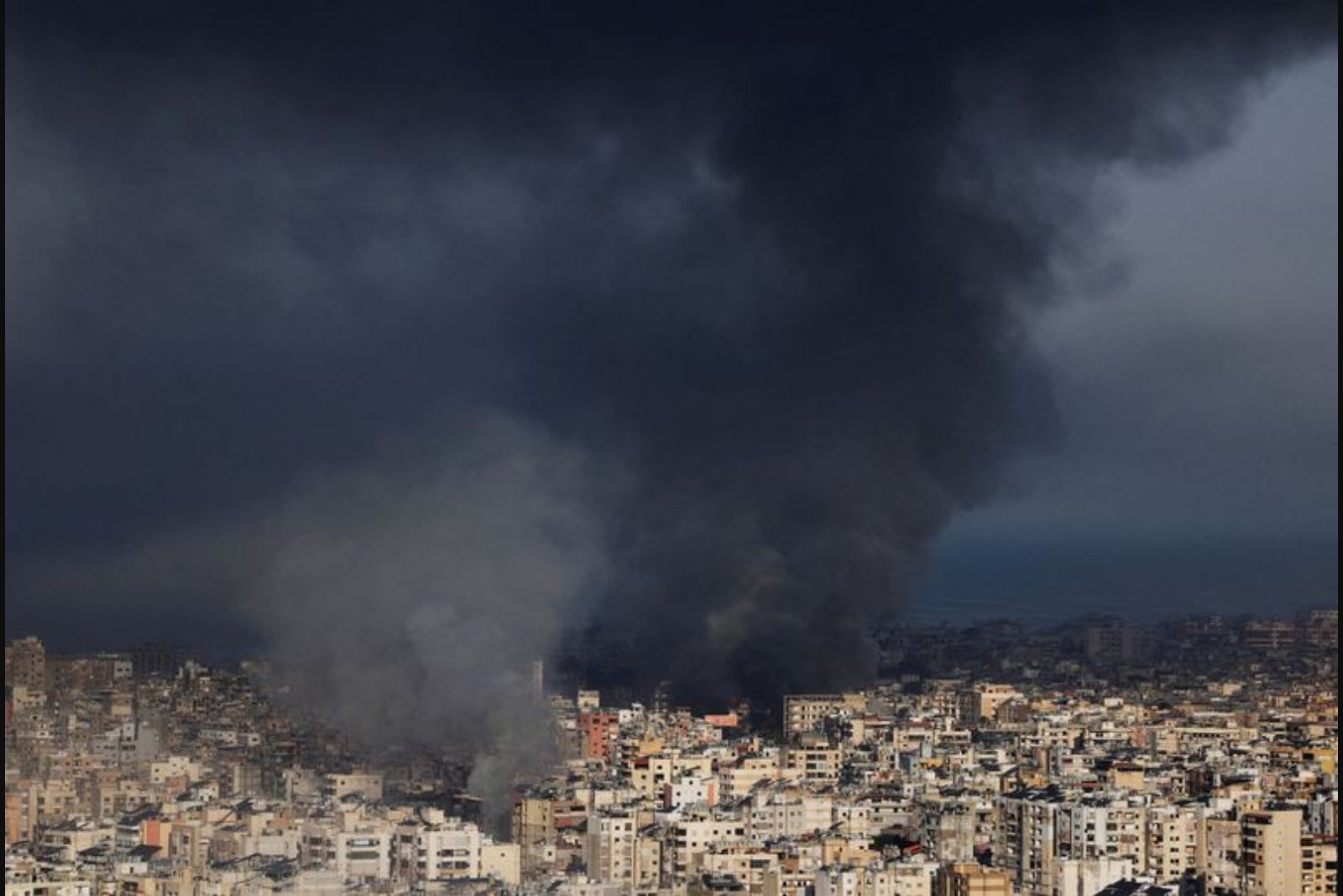
Lebanon was drawn further into the expanding regional confrontation on Tuesday after the Iran-backed Lebanese group Hezbollah launched missiles and attack drones at Israel for a second day. Israel responded with reinforced troop deployments into southern Lebanon and a series of air strikes, including strikes that struck locations in Beirut.
The violence marked a clear escalation after Lebanon had so far avoided direct spillover from a recent U.S.-Israeli attack on Iran. That restraint ended on Monday when Hezbollah opened fire using drones and missiles, prompting retaliatory Israeli strikes that killed dozens, according to Lebanese government figures.
The unfolding exchanges have sharpened long-standing debates inside Lebanon over Hezbollah's role as the only armed faction to retain weapons following the 1975-90 civil war. In an unprecedented move on Monday, the Lebanese government outlawed Hezbollah's military activities, a decision that sparked condemnation from pro-Hezbollah outlets. The pro-Hezbollah al-Akhbar newspaper described the government action as a "capitulation to dictates, which could even lead to the outbreak of civil war".
Towers of smoke were visible over Hezbollah-controlled southern suburbs of Beirut as new Israeli air strikes hit the area. Many thousands of people have fled neighborhoods that suffered heavy damage during the larger 2024 conflict between Israel and Hezbollah. The United Nations reported that by Monday an estimated 29,000 people, including 9,000 children, had been displaced.
Israeli military moves and border operations
Israel said it had reinforced its presence in southern Lebanon overnight, describing the deployments as defensive measures intended to guard against potential attacks. Lieutenant Colonel Nadav Shoshani was quoted saying: "We’re only at the border line area in a defensive manner to prevent attacks against civilians and very strategic important points."
Defence Minister Israel Katz said he had authorised the military to advance and take control of additional positions. The Israeli military ordered residents along the entire border strip of southern Lebanon to evacuate on Monday night. A Lebanese security source reported that Israeli troops were conducting incursions along parts of the border, and witnesses said the Lebanese army had withdrawn from at least seven forward-operating positions.
Some Israeli forces remained in the south at several hilltop positions following a ceasefire in the 2024 war. The south of Lebanon, predominantly Shi'ite, has been a core Hezbollah stronghold where the movement drew political backing and deployed weaponry ahead of the 2024 conflict. Following that conflict, the Lebanese army moved into the area and seized weapons caches, a campaign after which Hezbollah emerged, according to reporting, greatly weakened.
Hezbollah attacks and local impacts
Hezbollah announced three separate attacks on Tuesday using attack drones and missiles, stating these strikes targeted military facilities in northern Israel. A missile from Lebanon struck a house in northern Israel, and Israel's ambulance service reported a man was treated for glass shrapnel injuries.
Lebanese President Joseph Aoun said rockets fired at Israel on Monday from Lebanon originated outside the southern border zone where the Lebanese army declared it had asserted control in January.
The Lebanese health ministry reported on Monday that 52 people had been killed in Israeli attacks in Lebanon and more than 150 wounded, and it had not issued an updated toll by Tuesday.
Strikes on media and command sites
Overnight, an Israeli airstrike struck the headquarters of Hezbollah's al-Manar TV in Beirut. The Israeli military said it conducted further air strikes in Beirut on Tuesday, stating it had hit "command centres, weapons storage facilities, and satellite communication components belonging to Hezbollah’s intelligence headquarters in Beirut." The military said that "These assets were operating under civilian cover," and that it had taken steps to mitigate civilian harm, including providing advanced warnings.
The rapid escalation has produced both humanitarian dislocation and political strain inside Lebanon while extending the geographical footprint of the conflict beyond its earlier boundaries. The situation remains fluid, with armed exchanges continuing and populations along the border fleeing to safer areas.