
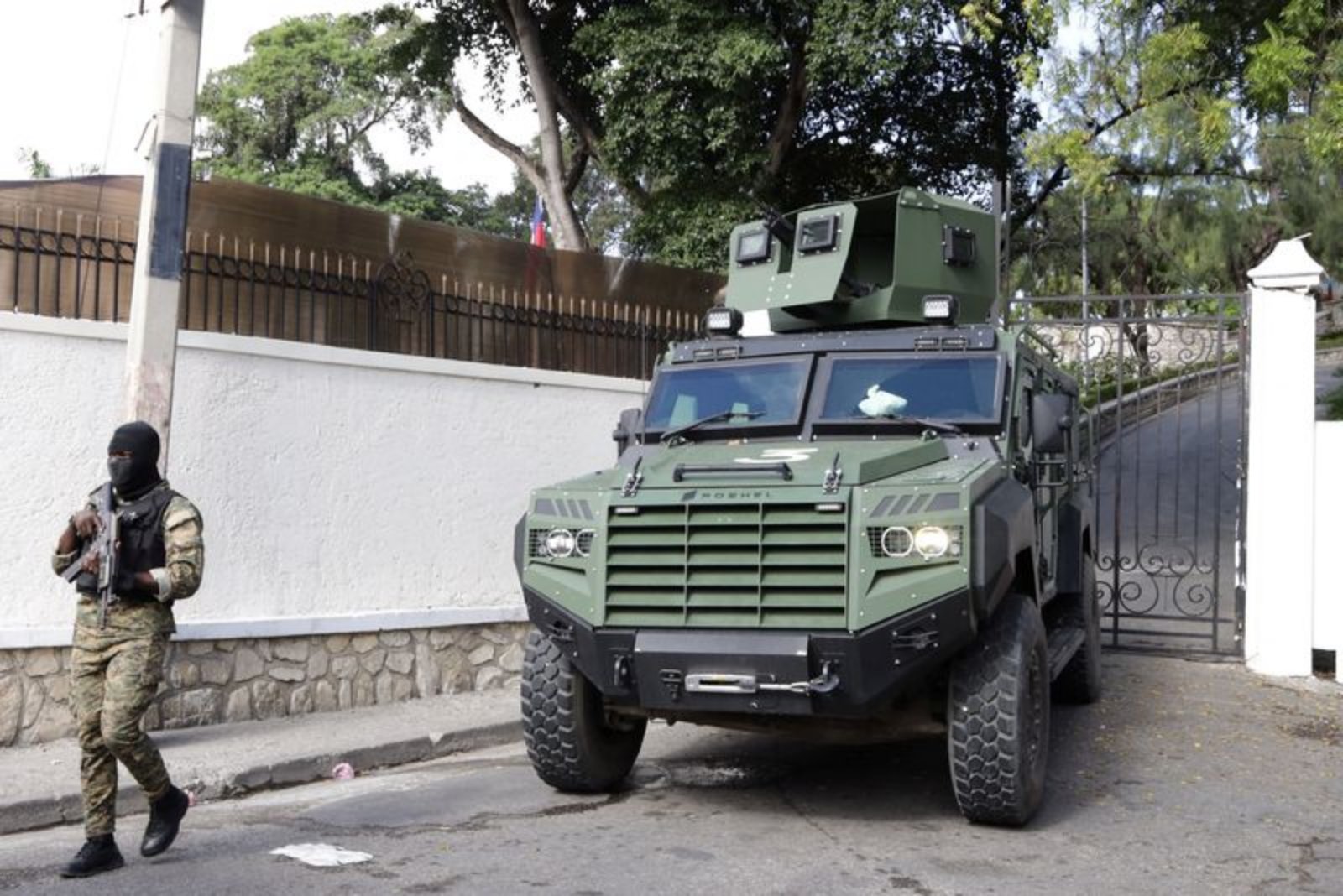
Haiti moved into a period of political uncertainty on Saturday as the mandate of the Transitional Presidential Council (CPT) came to an end on February 7 without any agreed-upon succession mechanism. The nine-member council was established in April 2024 after the resignation of Prime Minister Ariel Henry and operated under a rotating presidency. Its tenure was repeatedly marked by a worsening security environment, accusations of corruption, and internal political disputes.
In late January, several CPT members indicated they were pursuing efforts to remove Prime Minister Alix Didier Fils-Aime from office. The United States warned that such a move would carry serious consequences and publicly supported Fils-Aime remaining in place after the council’s mandate expired. In addition to urging the CPT to relinquish power, Washington has imposed sanctions on five members of the council.
“As the Transitional Presidential Council’s mandate ends on February 7, we support Prime Minister Fils-Aime’s leadership in building a strong, prosperous and free Haiti,” the U.S. embassy in Haiti stated on Wednesday. The embassy also noted that the arrival of three U.S. warships in the Bay of Port-au-Prince a day earlier reflected the United States’ commitment to Haiti’s security and stability, describing the deployment as evidence of an “unwavering commitment to Haiti’s security, stability, and brighter future.”
Despite broad agreement among Haiti’s civil and political leaders that the CPT should step aside, there is no consensus on what should replace it. Former lawmaker Antoine Rodon Bien-Aime, who has participated in discussions, told a news outlet on Wednesday that many proposals have been floated but no single, agreed solution has emerged.
Haiti remains without an elected president since the 2021 assassination of Jovenel Moise, its last senators’ terms expired more than three years ago, and the country has not held national elections since 2016. The expansion of armed groups across Port-au-Prince, the farmlands of Artibonite, and central regions of the country has further complicated any effort to organize a free and fair vote.
The humanitarian and security situation has deteriorated during the CPT’s time in office. United Nations data show that by October roughly 1.4 million people were internally displaced in Haiti, an increase of about one million people compared with levels when the council began its mandate. The U.N. approved an international security force intended to assist the Haitian National Police in restoring order, but more than two years after that approval fewer than 1,000 troops - mostly Kenyan police - had been deployed. The U.N. says it aims to reach a contingent of 5,500 personnel by this summer.
With the council’s mandate concluded and no replacement yet agreed, Haiti’s political leaders, civil society and international partners are faced with immediate questions about governance, the security response needed to support civic functions, and the logistical feasibility of organizing elections in a country where armed groups control large swaths of territory and displacement has surged.