
World May 26, 2026 11:05 AM

Guterres Expresses Deep Concern Over Moscow’s Plan for Strikes on Kyiv

U.N. chief warns against escalation after Russia signals strikes on Ukrainian defense sites and command centers following heavy bombardment

By Hana Yamamoto

On May 26, U.N. Secretary-General Antonio Guterres told the United Nations Security Council he was "deeply concerned" by Russia's announcement of planned strikes against Ukrainian defense enterprises and decision-making centers in Kyiv. His remarks followed Moscow's statement of intent and came a day after one of the heaviest bombardments of the city since the conflict began. Guterres noted the announcement came after reports of a Ukrainian drone attack on a college building and dormitory in Starobilsk, a locality currently under Russian control, and reiterated condemnation of attacks on schools and civilian infrastructure while urging avoidance of further escalation.

Guterres Expresses Deep Concern Over Moscow’s Plan for Strikes on Kyiv

Key Points

  • U.N. Secretary-General Antonio Guterres said he was "deeply concerned" about Russia's announcement of planned strikes against Ukrainian defense enterprises and decision-making centers in Kyiv.
  • The Russian statement followed reports of a Ukrainian drone attack on a college building and dormitory in Starobilsk, which is currently under Russian control.
  • Sectors potentially affected include defense installations and civilian infrastructure, with potential implications for humanitarian conditions and regional stability.

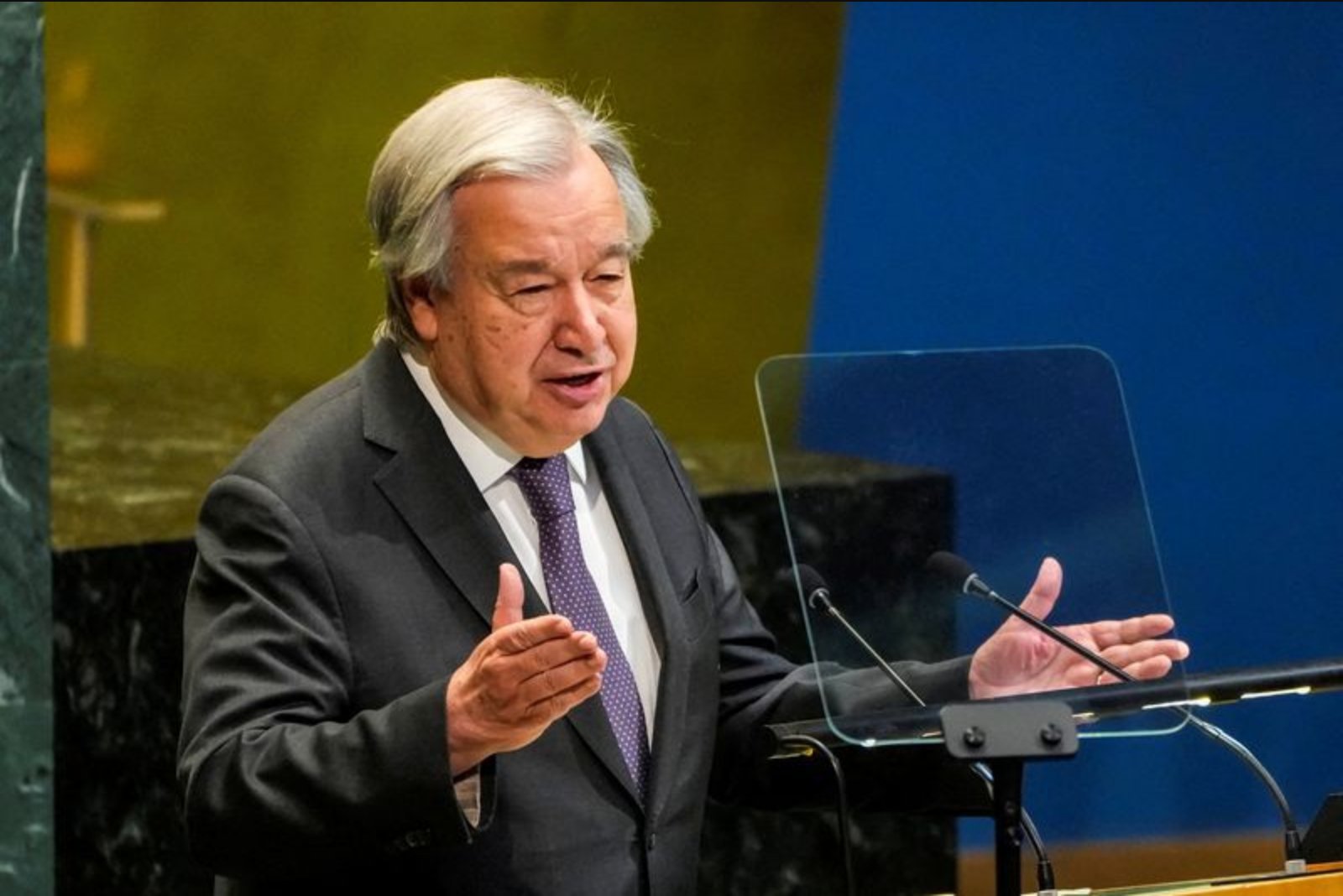
May 26 - U.N. Secretary-General Antonio Guterres said he was "deeply concerned" about Russia's declaration that it plans to carry out strikes against Ukrainian defense enterprises and decision-making centers in Kyiv.

Guterres delivered the remarks to the United Nations Security Council after Moscow announced on Monday its intention to mount such strikes. The announcement followed one of the heaviest bombardments of Kyiv since the Russia-Ukraine war began, occurring the previous day.

The secretary-general also linked the Russian statement to reports of a recent Ukrainian drone attack on a college building and an adjoining dormitory in Starobilsk, which the statement describes as presently under Russian control.

Responding to those reports, Guterres said: "We condemned the attack on the school - as we condemn all attacks on civilians and civilian infrastructure, wherever they occur." He further warned of the broader consequences, saying: "Now more than ever, it is imperative to avoid any escalation of a conflict that has already exacted a devastating toll on civilians, and that risks making the search for peace even more distant, prolonging the suffering of people."

Addressing the Security Council, Guterres emphasized the need to prevent actions that could widen the conflict and increase harm to non-combatants. His statement underscores the U.N. concerns about recent military developments, including the announced targeting of defense-related sites and centers of decision-making in a capital city.

The secretary-general's comments reflect the U.N.'s position condemning attacks on educational institutions and civilian infrastructure, while flagging the danger that further strikes and counterstrikes could intensify the humanitarian toll and impede diplomatic efforts toward peace.


Context and implications

Guterres' remarks came in the immediate aftermath of a series of violent incidents: Moscow's declaration of intent to strike Kyiv's defense and command locations, and reports of a drone strike on a college and dormitory in Starobilsk. The sequence prompted a U.N. appeal to avoid escalation and to protect civilians and civilian infrastructure.

As presented to the Security Council, the situation remains fluid, with the U.N. urging restraint and warning that further intensification risks prolonging civilian suffering and distancing prospects for peace.

Risks

  • Risk of escalation following announced strikes on defense enterprises and decision-making centers in Kyiv, which could increase harm to civilians and civilian infrastructure.
  • Potential for increased humanitarian toll and prolonged suffering if retaliatory attacks continue, making the search for peace more distant.
  • Damage to educational facilities and civilian housing, as evidenced by reports of a drone attack on a college building and dormitory in Starobilsk.

More from World

Peru Runoff Poised on a Knife-Edge as Sanchez Narrows Gap With Fujimori, Ipsos Poll Finds Jun 4, 2026 Kennedy Center Directed to Revert Name After Federal Ruling Jun 4, 2026 Colorado Appeals Court Orders New Trial for Paramedics in Elijah McClain Death Jun 4, 2026 U.S. Treasury Adds Cuban President Miguel Diaz-Canel to Sanctions List Jun 4, 2026 Zelenskiy Invites Putin to Direct Talks in Open Letter, Proposes Ceasefire During Negotiations Jun 4, 2026