
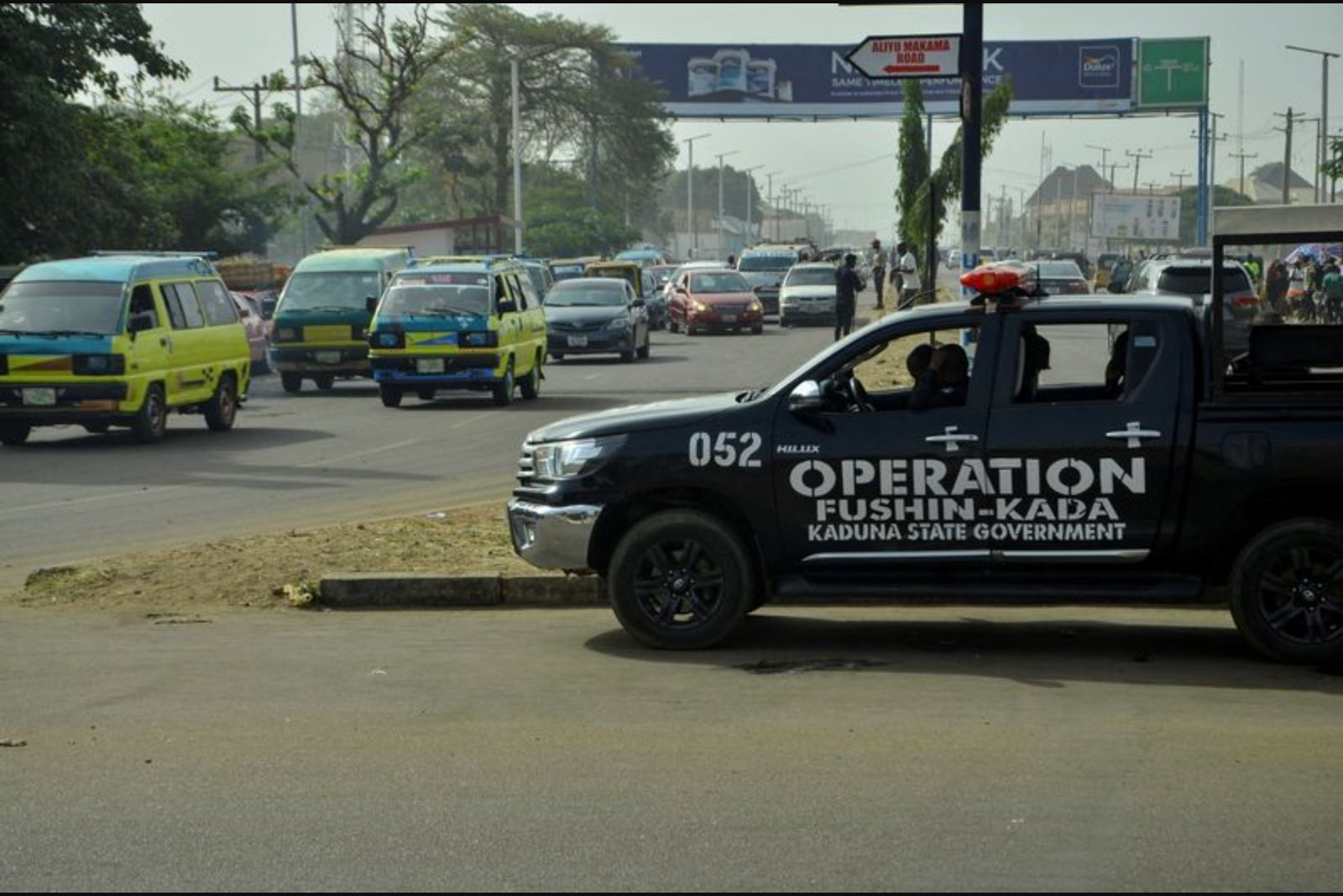
Gunmen launched an assault on the home of a Catholic clergyman in the Kauru district of Nigeria's Kaduna state in the predawn hours on Saturday, killing three people and abducting the priest and others, according to statements from church officials and police.
The Catholic Diocese of Kafanchan identified the kidnapped priest as Nathaniel Asuwaye, who serves as parish priest of Holy Trinity Catholic Church in Karku. The diocese said the attack began at about 3:20 a.m. (0220 GMT) and that 10 other people were taken captive alongside the priest.
A Kaduna police spokesperson provided a differing account of the abduction numbers. "What happened was that five people were kidnapped including the chief priest," the spokesperson said, adding that two soldiers and a police officer were among those killed during security forces' response to the assault.
According to the police account, officers and soldiers pursued the assailants after the attack and cordoned off the area. "Security agents exchanged gunfire with the bandits, killed some of them, and unfortunately two soldiers and a police officer lost their lives in the process," the spokesperson said.
The incident highlights ongoing insecurity in Kaduna and comes days after security services reported the rescue of all 166 worshippers who had been abducted in attacks on two churches elsewhere in the same state. Rights group Amnesty International said in a statement on Sunday that Nigeria's security situation was "increasingly getting out of hand." The group accused the government of "gross incompetence" and said authorities had failed to protect civilians as armed gangs kill, abduct and terrorise rural communities across several northern states, including Kaduna.
The events have also drawn attention from international actors. U.S. President Donald Trump has accused Nigeria's government of failing to protect Christians, a charge the government in Abuja denies. Separately, U.S. forces said they struck what they described as terrorist targets in northwestern Nigeria on December 25.
Local officials and church authorities provided differing tallies of those taken and killed, reflecting the confusion that often follows attacks in remote areas. The diocese and the police remain the primary sources for details about the victims and the sequence of events.
There was no immediate independent confirmation of the exact number of people abducted beyond the statements issued by the diocese and by police, and authorities continued to pursue leads and secure the scene following the attack.