
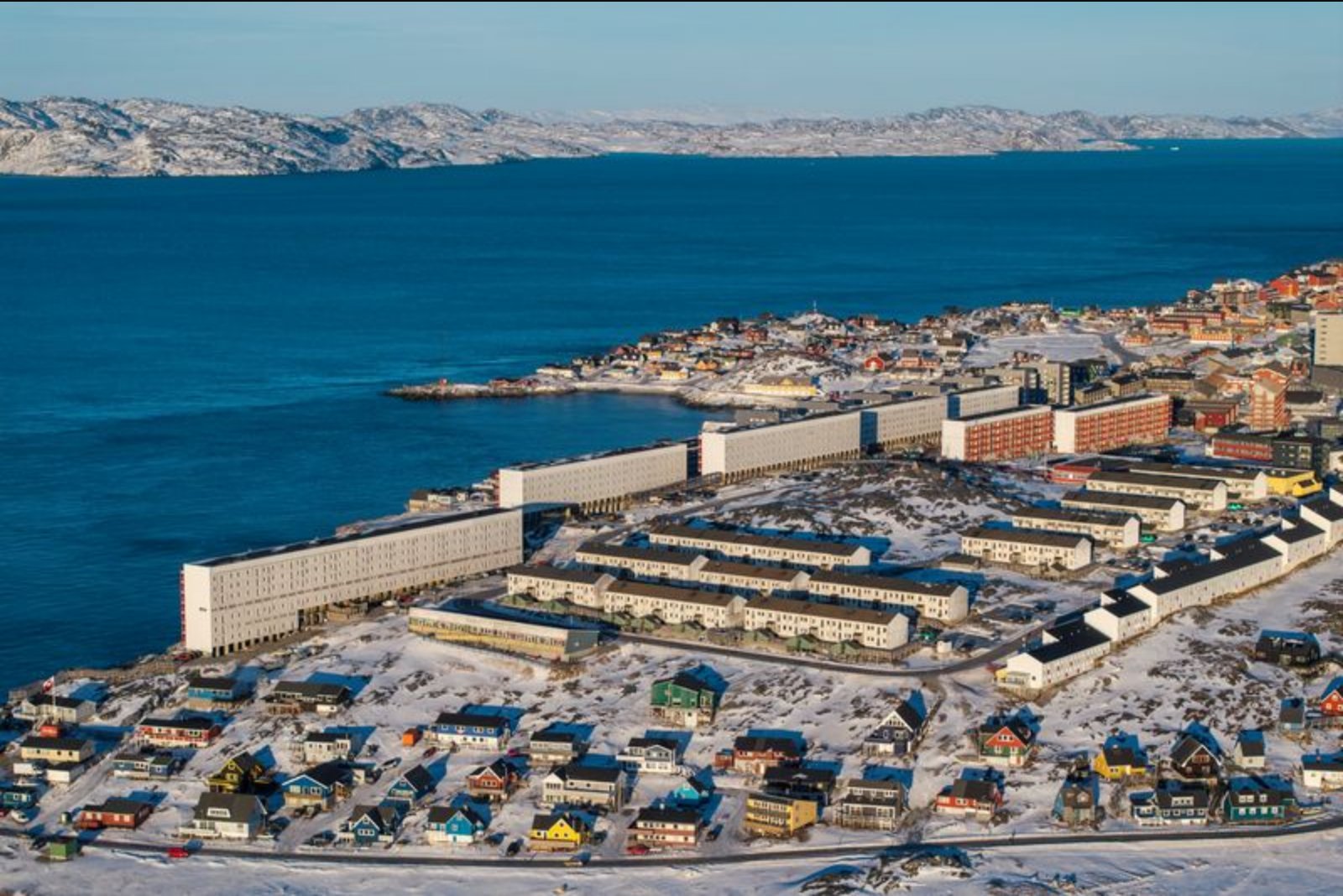
Greenland’s campaign trail has been reshaped by an extraordinary burst of global attention after U.S. President Donald Trump raised the possibility of buying the Arctic island. Candidates vying for the two Greenlandic seats in Denmark’s national assembly are seeking to turn that spotlight into tangible gains from Copenhagen on issues ranging from defence and infrastructure to control over the fishing economy.
"The most important thing for us in this election is the sovereignty of the Greenlandic people," said Juno Berthelsen, 43, one of five candidates running for the pro-independence Naleraq party. "The Greenlandic people ... should always be at the centre of any conversation about Greenland." Naleraq, whose name means point of orientation in Kalaallisut, is contesting five slots to represent the island as a self-governing territory within the Kingdom of Denmark.
Many on the island view the international attention as a rare strategic opening. Candidates and ministers alike say the debate over Greenland’s future has exposed long-standing grievances about the extent of Danish investment and involvement in local affairs. With major powers openly contesting influence in the Arctic and melting ice expanding access to shipping routes and resources, Greenland’s strategic value has become more visible - and Copenhagen now faces pressure to prove its partnership is reciprocal rather than unilateral.
"The fact that we are in the eye of the hurricane in the Arctic means that we have a very great opportunity to have much greater influence than we have had before," said Anna Wangenheim, Greenland’s health minister and a candidate for Demokraatit, the party of Greenland’s prime minister Jens-Frederik Nielsen.
On the ground in Nuuk, residents framed the election as a question of representation. Aage Josefsen, a 55-year-old bus driver, asked simply who speaks for Greenland. "The Greenlandic government should have more say in meetings, instead of Denmark just speaking on Greenland’s behalf," he said.
Policy proposals advanced by Greenlandic candidates reflect that demand for direct influence. They include creating a coastal surveillance force rooted in local fishermen and hunters, redesigning the fishing economy to capture more value domestically, and updating education so Danes learn more about Greenland. Such measures are intended to increase local control over security, natural resources and cultural awareness.
One specific bargaining chip being raised is the 1951 defence agreement between Denmark and the United States, which Greenlandic politicians contend was negotiated without Greenlandic input. "It must be something that Greenland can also see itself reflected in, a defence agreement about our land," said Ane Lone Bagger of the Siumut party.
That argument has prompted a perceptible change in tone from Copenhagen. Leaders in Denmark, including Prime Minister Mette Frederiksen, have publicly asserted Greenland’s right to self-determination and sought to defend the island against external pressure. Frederiksen has travelled to Greenland multiple times and rallied European counterparts against the U.S. approach, presenting herself as a staunch protector of Greenland’s interests.
Some Greenlandic politicians say the shift has already produced concrete gestures from Denmark, including an apology last year to thousands of Greenlandic women who were subjected to involuntary birth control practices between the 1960s and 1991. For proponents of greater autonomy, those acknowledgements have symbolic value as signs that Copenhagen is listening.
Yet not everyone on the island supports rapid moves toward independence. Many Greenlanders regard Naleraq’s push for a quick break from Denmark as premature. Candidates across the political spectrum acknowledge that the geopolitics drawing outsiders to Greenland risk overwhelming the everyday concerns of residents - issues such as jobs, public services and the character of daily life.
"It is of course at the expense of the life we have always been used to," said Inuujuk Louis Petersen, a 24-year-old taxi driver and candidate for Demokraatit in Nuuk. "And that was peace and quiet." His remark underscores a broader unease that international rivalry could disrupt the routines and social fabric that Greenlanders value.
Denmark itself faces political headwinds that make Greenlandic votes potentially pivotal in Copenhagen. Prime Minister Mette Frederiksen, despite publicly confronting U.S. pressure over Greenland, confronts a tight domestic contest amid voter frustration with rising living costs and strains on welfare. Some analysts cited by candidates say she may find it difficult to build a majority in the Folketing, meaning small constituencies, including Greenland’s two lawmakers, could become decisive in parliamentary arithmetic.
For many Greenlandic candidates, the election is therefore both local and international in scope: a chance to secure a stronger voice in decisions about defence, infrastructure and economic strategy, and an attempt to ensure that Greenlanders themselves are at the centre of any discussions about their future.
As campaigning continues, the central theme among Greenland’s contenders is clear: convert the unprecedented global interest into concrete changes that give Greenlanders more authority over their affairs, while guarding the island’s traditions and everyday way of life.