
Diplomatic engagement between the United States and Iran in Geneva concluded after a day of indirect talks that diplomats described as productive in places but ultimately did not yield a final agreement. Oman's foreign minister characterized the negotiations as advancing significantly, while both Iranian and U.S. interlocutors signaled that further rounds would follow soon.
Omani Foreign Minister Sayyid Badr Albusaidi, who mediated the meetings in Switzerland, reported on the social platform X that the talks had ended for the day after "significant progress in the negotiation between the United States and Iran." He said the two sides would reconvene following consultations in their capitals, with technical-level discussions slated to take place next week in Vienna.
Badr Albusaidi is also expected to travel to Washington for meetings on Friday with U.S. Vice President JD Vance and other U.S. officials, a late report said. There was no immediate response to requests for comment from either the White House or Oman's embassy in Washington.
How the sessions unfolded
The Geneva meetings involved two sessions during the day between Iranian Foreign Minister Abbas Araqchi and U.S. envoys Steve Witkoff and Jared Kushner. One session took place in the morning and a second in the afternoon. The Omani minister described the exchanges as serious and productive, while Iranian and U.S. officials were more circumspect in public remarks.
Araqchi told Iranian state television that the talks were among the most serious Iran has held with the United States. He said there was agreement on some matters and differences remained on others. He added that it had been decided the next round of negotiations would be held in less than a week.
According to statements conveyed after the sessions, Iran made clear its primary demand: lifting U.S. sanctions. Washington has maintained that sanctions relief would follow substantial concessions from Tehran. There was no immediate comment from the U.S. negotiating team on the outcome of the Geneva meetings, though one senior U.S. official described the negotiations as "positive."
Substance and sticking points
Participants said the morning session included an exchange of what Oman called "creative and positive ideas." However, a senior Iranian official cautioned that significant gaps remained to be bridged. One Iranian official speaking earlier in the day suggested a possible approach to reaching a framework for an agreement: that Washington separate nuclear and non-nuclear issues.
The Trump administration has insisted that Iran's ballistic missile program and its support for armed groups across the region must be included in the talks. U.S. negotiators have also pressed for Iran to cease all uranium enrichment, citing concerns that enrichment capability could be used to produce fissile material for a weapon. Iran has consistently denied seeking a nuclear weapon and said it would show flexibility in the discussions.
It was reported on Sunday that Tehran had offered undefined new concessions in exchange for the removal of U.S. sanctions and formal recognition of its right to enrich uranium. How those proposals were received in Geneva has not been publicly detailed by the negotiators.
Public statements and domestic politics
Iranian officials presented the talks as intense and serious. Araqchi acknowledged that while some points had been resolved, others remained outstanding and would need further work. He reiterated Iran's demand for sanctions relief as a condition for deeper agreement.
On the U.S. side, members of the administration publicly raised concerns about Iran's ballistic missile program. One senior U.S. official described the missiles as designed solely to strike America and said they posed a threat to regional stability. That official did not provide evidence in the remarks for the claim that U.S. territory could be targeted.
President Donald Trump has repeatedly set firm timelines and warnings related to the diplomatic effort. He said on February 19 that Iran had 10 to 15 days to make a deal and warned that "really bad things" would happen otherwise. In his State of the Union address on Tuesday the president briefly outlined the possibility of military action while saying he preferred a diplomatic resolution and would not permit Tehran to acquire a nuclear weapon.
Military posture and regional tensions
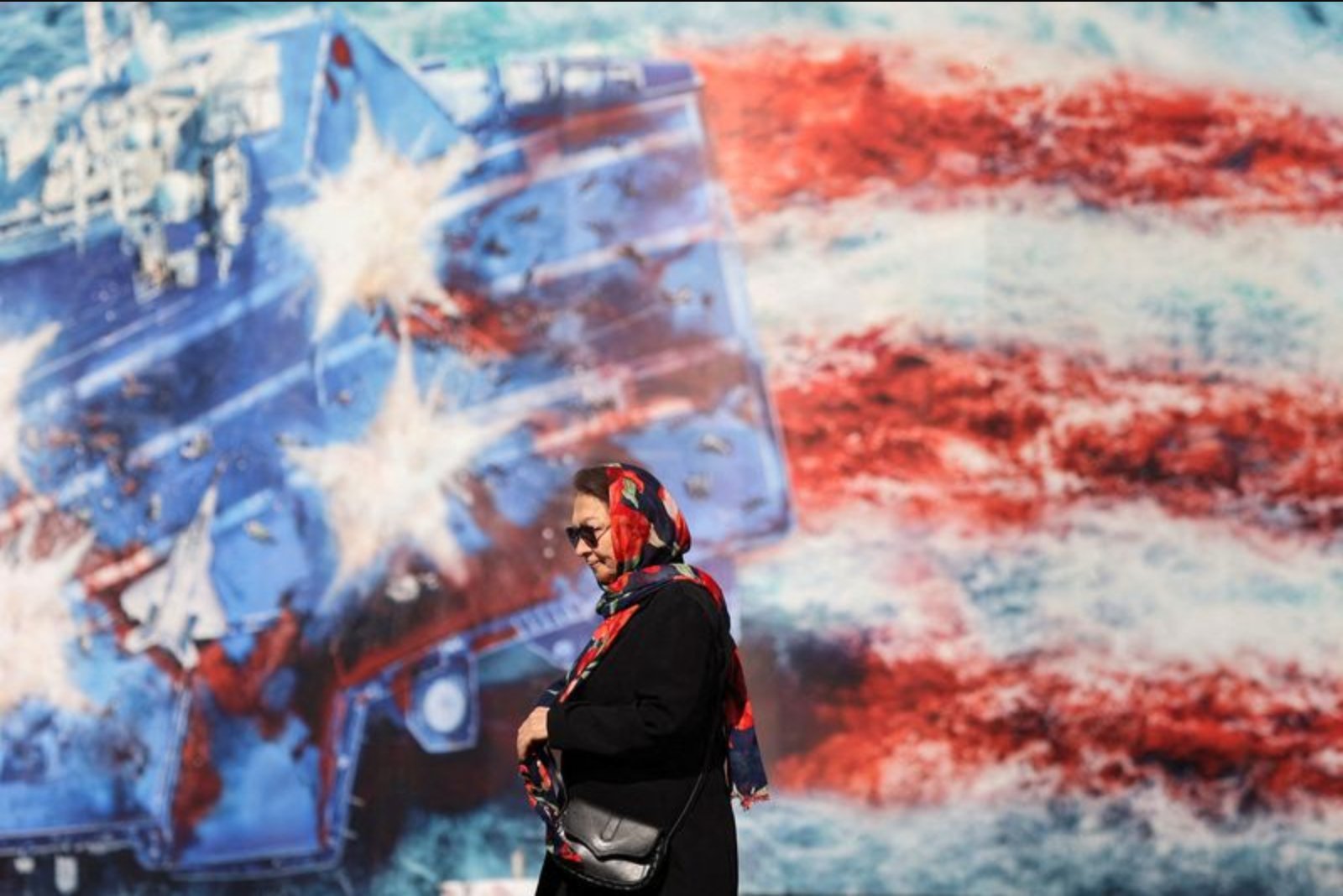
The Geneva diplomacy took place as the United States has significantly increased its military presence in waters near Iran. The U.S. has deployed fighter jets and aircraft carrier strike groups to the region since January, moves tied in public statements to concerns about Iran's actions and to unrest inside Iran. The U.S. also joined Israel in strikes on Iranian nuclear sites in June, and Iran has previously responded to strikes by launching volleys of missiles at Israel.
Those exchanges and the present buildup have heightened fears of a wider conflagration in the Middle East. Iran has warned that it would retaliate fiercely if attacked again, a stance that has alarmed Gulf oil producers and increased regional uncertainty.
Domestic pressures inside Iran
Officials in Tehran face substantial internal pressures. Supreme Leader Ayatollah Ali Khamenei is confronting what has been described as the gravest crisis of his 36-year tenure, with an economy strained by intensified sanctions and renewed protests following major unrest and crackdown earlier in the year.
President Masoud Pezeshkian said on Thursday that Khamenei has banned weapons of mass destruction, a statement the president said "clearly means Tehran won’t develop nuclear weapons." That comment reiterated a religious decree issued in the early 2000s.
Next steps
Diplomats said technical-level negotiations are scheduled to take place in Vienna next week, and that further talks will follow after consultations in Washington and Tehran. The Omani foreign minister's comment that significant progress had been made provided a cautiously optimistic note, but negotiators stopped short of declaring that the major obstacles to an agreement had been cleared.
With both sides indicating a willingness to continue discussions, the coming days will be watched closely for signs that the parties can narrow remaining differences. For now, the combination of reported progress and the absence of a formal deal leaves both diplomatic hopes and military risks on the table.