
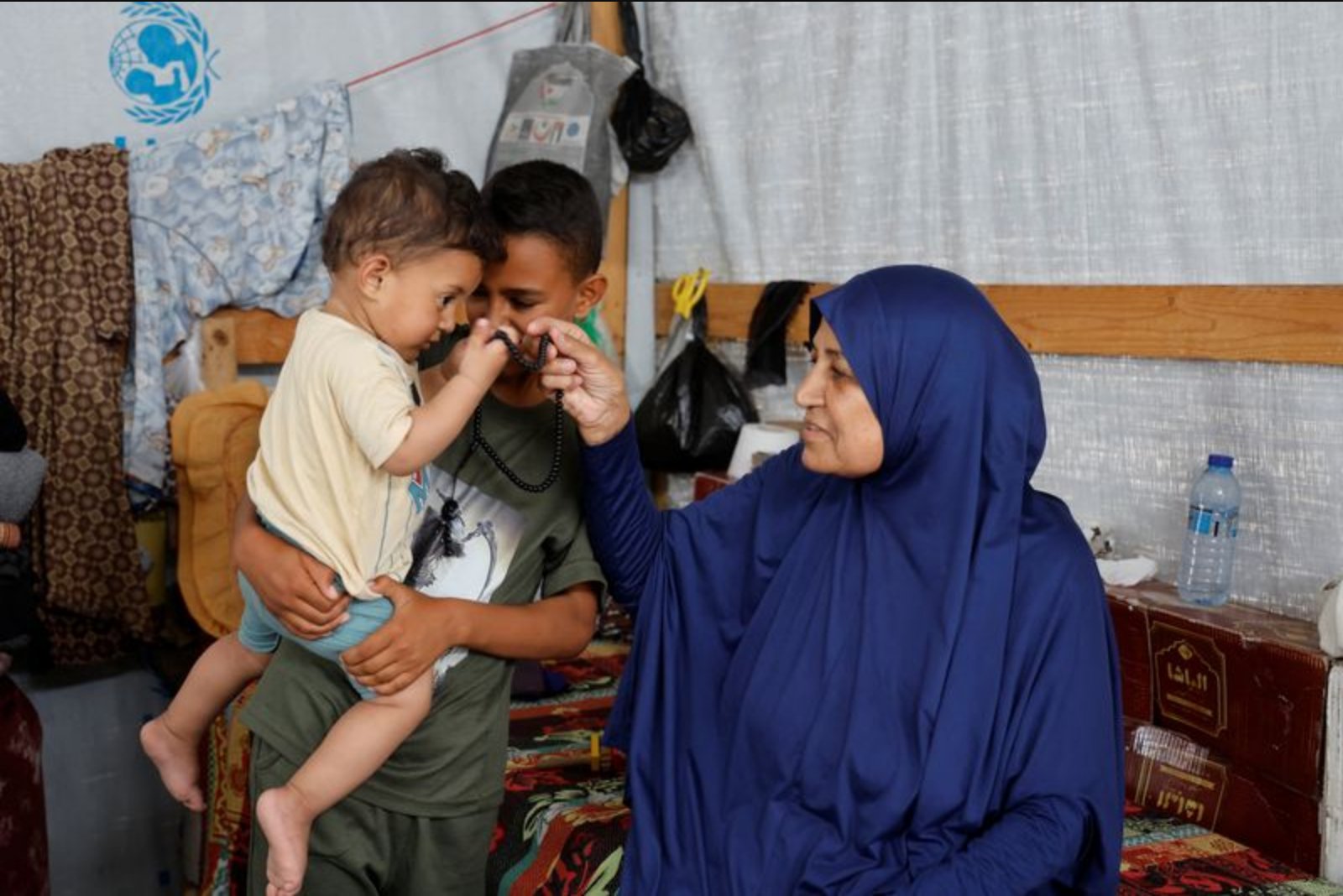
In a makeshift tent in southern Gaza, 64-year-old Najia Abu Lehia is mourning more than the loss of her husband. She is also grieving the missed opportunity to perform the Hajj together - a pilgrimage she and her husband had registered for before the 2023 war and border shutdowns intervened.
Mecca, in Saudi Arabia, is Islam's holiest site and hosting of the Hajj is one of the Five Pillars of Islam, a duty that Muslims who are both physically able and financially capable are expected to carry out at least once in their lives. Before the outbreak of fighting in 2023, at least 3,000 people from Gaza completed the Hajj each year.
After a U.S.-brokered ceasefire in October paused major hostilities, some Palestinians in Gaza hoped the reopening of travel routes would allow pilgrims to resume their journeys. Those hopes have been undermined, however, by continued constraints on movement, residents say.
"We registered and our names got selected for the Hajj before the war. Then the war broke out here and it became a barrier..." Abu Lehia said, speaking from a tent encampment in Khan Younis.
Under the terms of the Rafah arrangement implemented in February, Israel allowed a partial reopening of the Rafah crossing to Egypt, Gaza's principal gateway to the outside world. But only a limited number of people have been allowed to transits each week - primarily the sick and a small number of escorts - with only a few hundred permitted to pass, according to Gaza residents.
"The border crossing is closed. Why is this happening to pilgrims? They want to fulfill their Hajj obligation, they do not want to do anything else," Abu Lehia told Reuters as she watched footage of worshippers in Mecca on her phone. "We were supposed to be there, we were supposed to be there in these holy days."
COGAT, the Israeli military authority responsible for overseeing access to Gaza, said the Rafah agreement permits passage only for humanitarian cases. It said traveller lists are compiled by Egyptian authorities and require approval by Israeli security services.
Gaza's Hamas-run government media office provided a figure for travel since February, saying only 5,304 people had moved in and out of Gaza in that period - a number it described as less than a third of what had been expected.
No sacrificial animals, persistent shortages
Gaza's agriculture ministry said families will mark Eid al-Adha on May 27 for a third consecutive year without sacrificial animals, attributing the situation to Israeli restrictions. Eid al-Adha, which coincides with the Hajj, traditionally involves the slaughter of sheep or cattle, with portions of meat shared among family and community members and distributed to the poor.
The agriculture ministry said the military campaign since October 2023 has produced what it described as the "systematic destruction of the livestock sector," with farms, barns, veterinary facilities and feed warehouses hit during the campaign. Prior to the war, Gaza was importing between 10,000 and 20,000 calves and 30,000 to 40,000 sheep annually to meet demand for the Eid season.
COGAT said it facilitates imports of meat, poultry, eggs and dairy products and reported that nearly 8,000 tons of such goods were delivered in the past month, while noting that no live livestock had been imported.
Meanwhile, Hamas officials said that aid deliveries in May had dropped to roughly a quarter of what was expected, even as United Nations officials urged unfettered access for humanitarian aid and commercial goods. COGAT rejected assertions it described as misleading claims of a humanitarian crisis, saying about 600 aid trucks enter Gaza each day, most carrying foodstuffs in line with U.N. requests.
The combination of restricted movement through the Rafah crossing and reported damage to the livestock sector has produced intersecting challenges for Gazans seeking to fulfil both spiritual obligations and basic food needs during a major religious festival. Residents’ accounts highlight the human dimension of transport and import limitations, while official statements from COGAT and Gaza authorities offer differing portrayals of the scale and nature of aid and imports entering the territory.
For individuals such as Abu Lehia, the constraints are deeply personal - worry about dying without completing a religious duty, watching others perform rites she cannot reach, and coping with the material and emotional aftermath of conflict and displacement.