
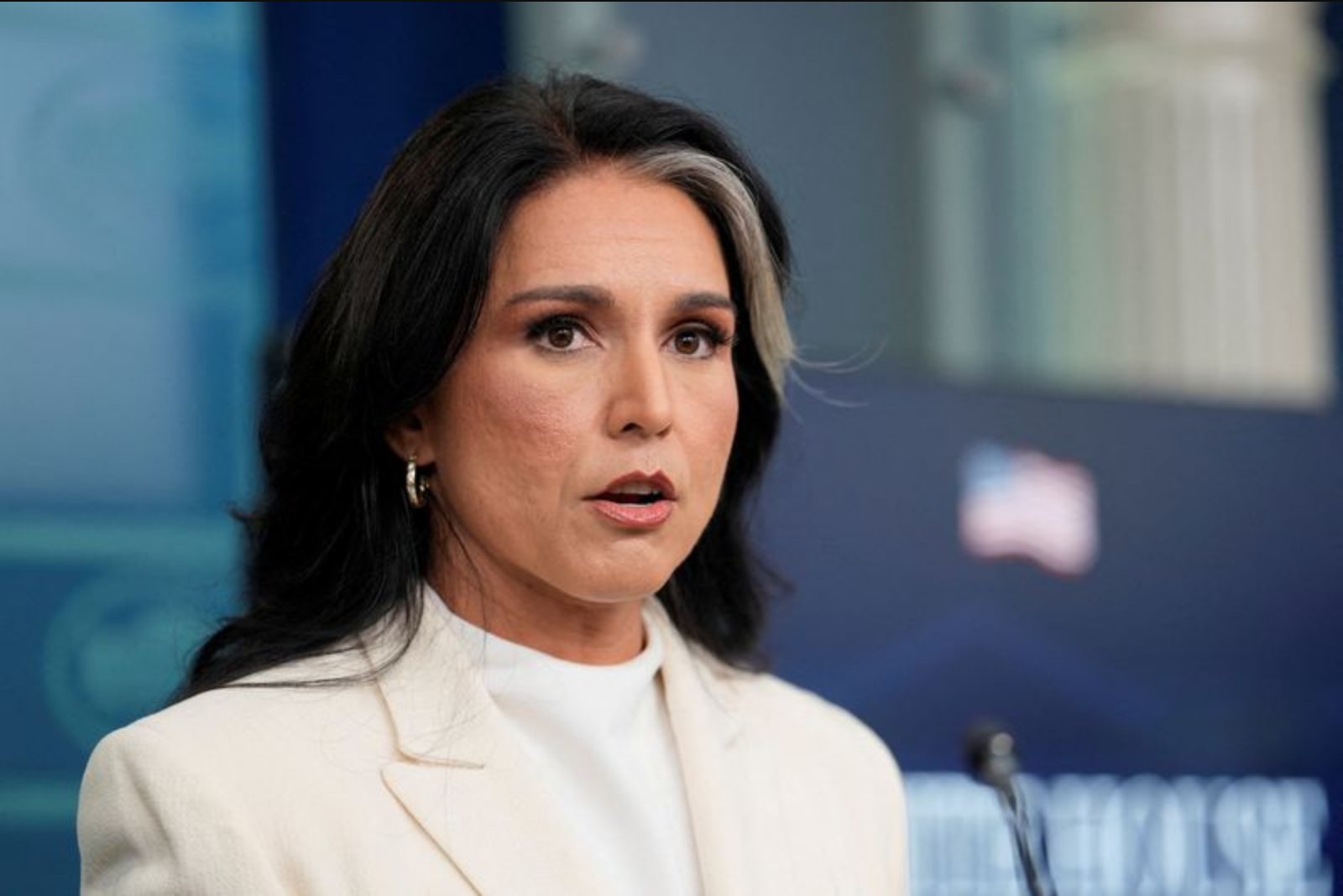
WASHINGTON, Feb 7 - Tulsi Gabbard, the U.S. Director of National Intelligence, publicly pushed back on accusations that she impeded congressional access to a top-secret whistleblower complaint, saying she acted promptly after being told security guidance was required to release the document to lawmakers.
The complaint in question, filed last May with the intelligence community’s inspector general by an anonymous government official, alleged that the intelligence leadership had attempted to prevent the routine sharing of certain classified material for political reasons. The allegation has prompted scrutiny from lawmakers and raised questions about whether statutory requirements for notifying Congress were met.
A November letter from Andrew Bakaj, the lawyer representing the whistleblower, which was also circulated to the House and Senate intelligence committees, contended that Gabbard had hindered the complaint’s dissemination to Congress by failing to provide the necessary security instructions for its handling.
Democratic officials, including Senator Mark Warner, the vice chair of the Senate Intelligence Committee, have argued that the Office of the Director of National Intelligence was obligated by law to transmit the May complaint to Congress within 21 days rather than waiting until February. That contention rests on statutory timelines governing how quickly such complaints must be shared when they are deemed urgent and credible.
In a social media post on Saturday, Gabbard accused Democrats of propagating a "blatant lie." She wrote on X that "successive inspectors general spanning the presidencies of Trump and his Democratic predecessor Joe Biden did not find the complaint to be credible."
Gabbard also addressed the timing question about the 21-day requirement. She wrote that the 21-day rule "only applies when a complaint is determined by the Inspector General to be both urgent AND apparently credible."
According to Gabbard, she had not been informed by the inspector generals that the whistleblower had "chosen to send the complaint to Congress, which would require me to issue security instructions." She said that once she was made aware on December 4 of the need to provide security guidance to enable sharing with lawmakers, she took "immediate action" to supply those instructions.
Media outlets have reported that the complaint concerned the handling of an intelligence intercept related to an individual close to former President Donald Trump. Gabbard was appointed to her post by President Trump last year.
Context and procedural questions
The dispute centers on whether statutory timelines governing whistleblower complaints were triggered and, if so, whether the Office of the Director of National Intelligence complied. The parties disagree about whether the complaint met the criteria that would make the 21-day transmission requirement applicable. Gabbard has argued it did not, citing inspector general assessments of credibility; others in Congress say the agency should have moved more quickly.
The matter has produced partisan accusations and competing statements about agency responsibilities, how and when security guidance must be issued, and which actors had been notified that the complaint was being sent to Congress.