
World May 20, 2026 12:20 PM

Fujimori Holds Slim Advantage Over Sanchez in Runoff, Poll Shows

New Ipsos survey puts right-wing frontrunner ahead by four points as economic policy debates intensify

By Maya Rios

An Ipsos Peru poll conducted May 16-17 and published on May 20 indicates right-wing candidate Keiko Fujimori leads leftist Roberto Sanchez 39% to 35% in the June 7 presidential runoff. The survey shows persistent undecided or blank-vote intentions and a measurable portion of the electorate opposed to both contenders. Economic messages and proposed policy shifts have become focal points for investors and analysts.

Fujimori Holds Slim Advantage Over Sanchez in Runoff, Poll Shows

Key Points

  • Ipsos poll (May 16-17) shows Keiko Fujimori leading Roberto Sanchez 39% to 35% in the June 7 runoff.
  • Economic signals matter to markets: Sanchez’s economic team head Pedro Francke has pledged respect for private property and sought to distance himself from proposals to alter mining contracts and pursue a new constitution - this has implications for mining and investor confidence.
  • Fujimori emphasizes public order and anti-corruption while being seen by analysts as supportive of disciplined macroeconomic policy - financial markets and macro-sensitive sectors are likely to watch policy signals closely.

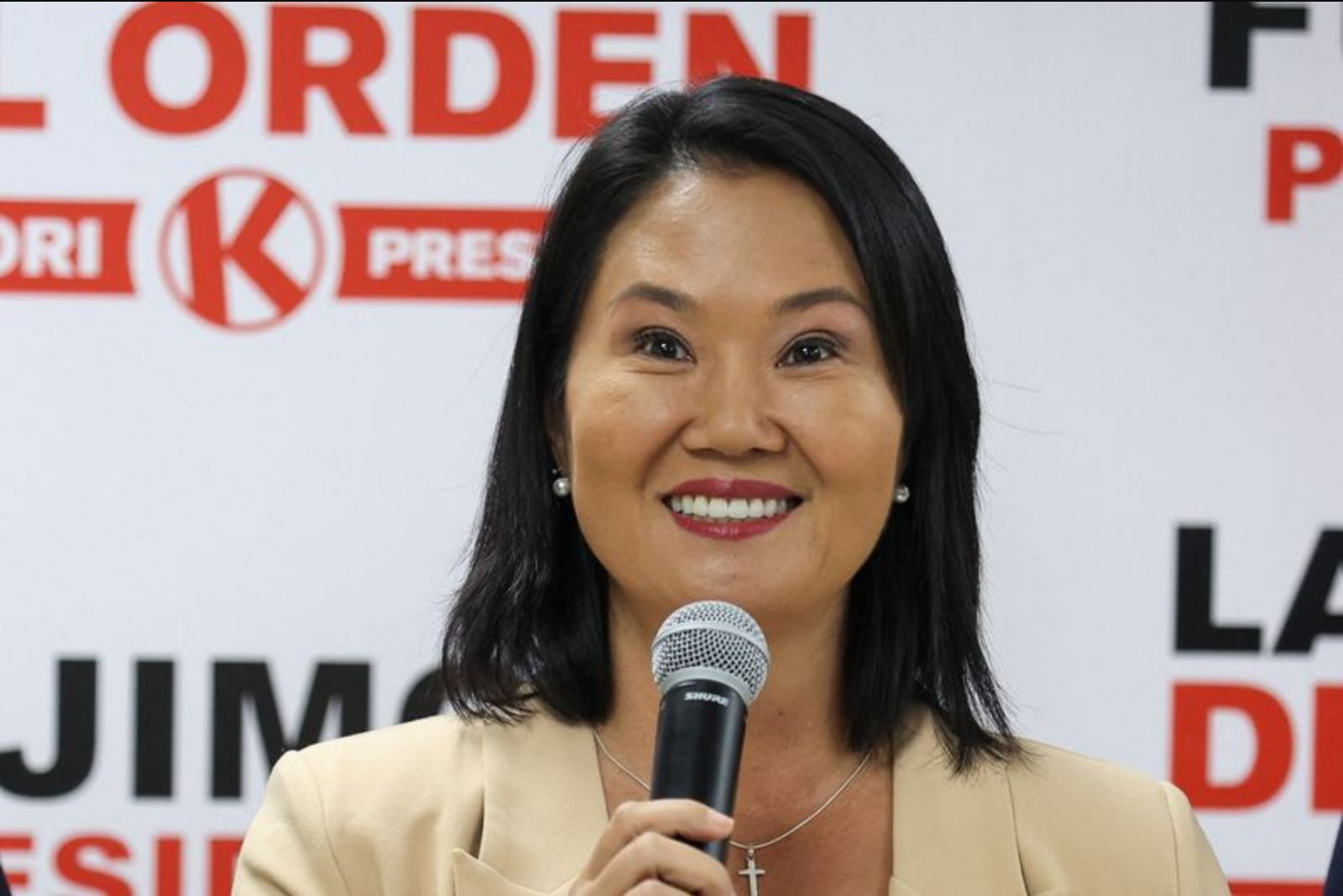
An Ipsos Peru opinion poll taken on May 16-17 and published on May 20 shows Keiko Fujimori holding a narrow lead over Roberto Sanchez ahead of the June 7 presidential runoff.

The survey finds Fujimori, the right-wing candidate and daughter of former president Alberto Fujimori, would receive 39% of the vote in a head-to-head contest compared with 35% for Sanchez, who represents the left. Fujimori captured first place in the first round on April 12 with 17% of votes; Sanchez advanced to the runoff with 12%.

Earlier polling from Ipsos, released in late April, had shown the two candidates tied at 38% each. The new figures therefore represent a modest shift in voter intentions toward Fujimori since that previous survey.

The poll also recorded measures of opposition and voter disengagement. Opposition to Fujimori fell to 44% in May from 48% in April, while opposition to Sanchez remained at 40% according to Ipsos. The survey found 26% of respondents said they would either not vote for any candidate or would cast a blank ballot. Ipsos reported a margin of error of +/-2.8% at a 95% confidence level.

Economic messaging has emerged as a central factor in campaign dynamics. Pedro Francke, who was named this week to lead the team drafting Sanchez’s economic plan, sought to reassure markets by saying: "We are going to respect private property. Things like breaking contracts just because somebody felt like it - that shouldn’t happen." The article notes Francke has tried to distance himself from Sanchez’s more radical proposals, which include a new constitution and revisions to mining contracts.

Market participants and analysts in turn view Fujimori as more likely to support disciplined macroeconomic policy. Fujimori’s campaign has emphasized restoring public order and combating crime and corruption, positions that have been highlighted alongside her perceived market-friendly stance.

The two candidates are scheduled to face each other in a televised debate on May 31. Their technical teams are set to meet for a separate debate on May 24.


While the poll indicates a lead for Fujimori, the share of undecided or blank-vote respondents and remaining opposition levels illustrate continuing electoral fluidity in the run-up to the June 7 vote.

Risks

  • Policy uncertainty tied to Sanchez’s campaign proposals, including talk of a new constitution and revisions to mining contracts, has unsettled investors and could affect investor sentiment and the mining sector.
  • A sizable share of the electorate (26%) indicating they would not vote or would cast a blank ballot introduces electoral unpredictability that could affect market reactions and short-term policy expectations.
  • Opposition levels to both candidates remain significant - 44% for Fujimori and 40% for Sanchez - leaving room for shifts in voter preferences prior to the runoff that could influence economic and financial outlooks.

More from World

Experts Say Trump Tariff Threats Won’t Cure Global Forced Labour Problem Jun 5, 2026 Peru Runoff Poised on a Knife-Edge as Sanchez Narrows Gap With Fujimori, Ipsos Poll Finds Jun 4, 2026 Kennedy Center Directed to Revert Name After Federal Ruling Jun 4, 2026 Colorado Appeals Court Orders New Trial for Paramedics in Elijah McClain Death Jun 4, 2026 U.S. Treasury Adds Cuban President Miguel Diaz-Canel to Sanctions List Jun 4, 2026