
Gaza is facing a sharp decline in its already limited fuel reserves and growing pressure on food supplies after Israeli authorities halted all traffic through the territory's border crossings, local and international officials say.
Israeli forces closed every crossing into Gaza on Saturday following an announcement that air strikes on Iran had been carried out jointly with the United States. Officials in Israel said the crossings could not be operated safely during the hostilities and have not provided a time frame for when they might reopen.
The enclave depends entirely on fuel delivered by truck from Israel and Egypt. Local authorities and aid coordinators warn that without a fresh flow of deliveries, essential services could be severely affected.
"I expect we have maybe a couple of daysrunning time," said Karuna Herrmann, who oversees fuel distribution in Gaza for the United Nations. Another local aid coordinator, Amjad Al-Shawa, who works with U.N. agencies and non-governmental organizations, estimated fuel might last three or four days and warned that stocks of vegetables, flour and other staples could also be exhausted quickly if the crossings remain closed.
Those estimates could not be independently verified. Israeli officials responsible for controlling access to Gaza said that food had been delivered since the start of an October truce and that "(The) existing stock is expected to suffice for an extended period," without offering additional detail. They declined to comment on potential fuel shortages.
The October truce was incorporated into a broader U.S.-backed plan intended to bring an end to the two-year war that followed Israel's campaign against Hamas. The arrangement included terms to reopen the Rafah crossing with Egypt, to increase the volume of aid entering the enclave, and to begin reconstruction efforts.
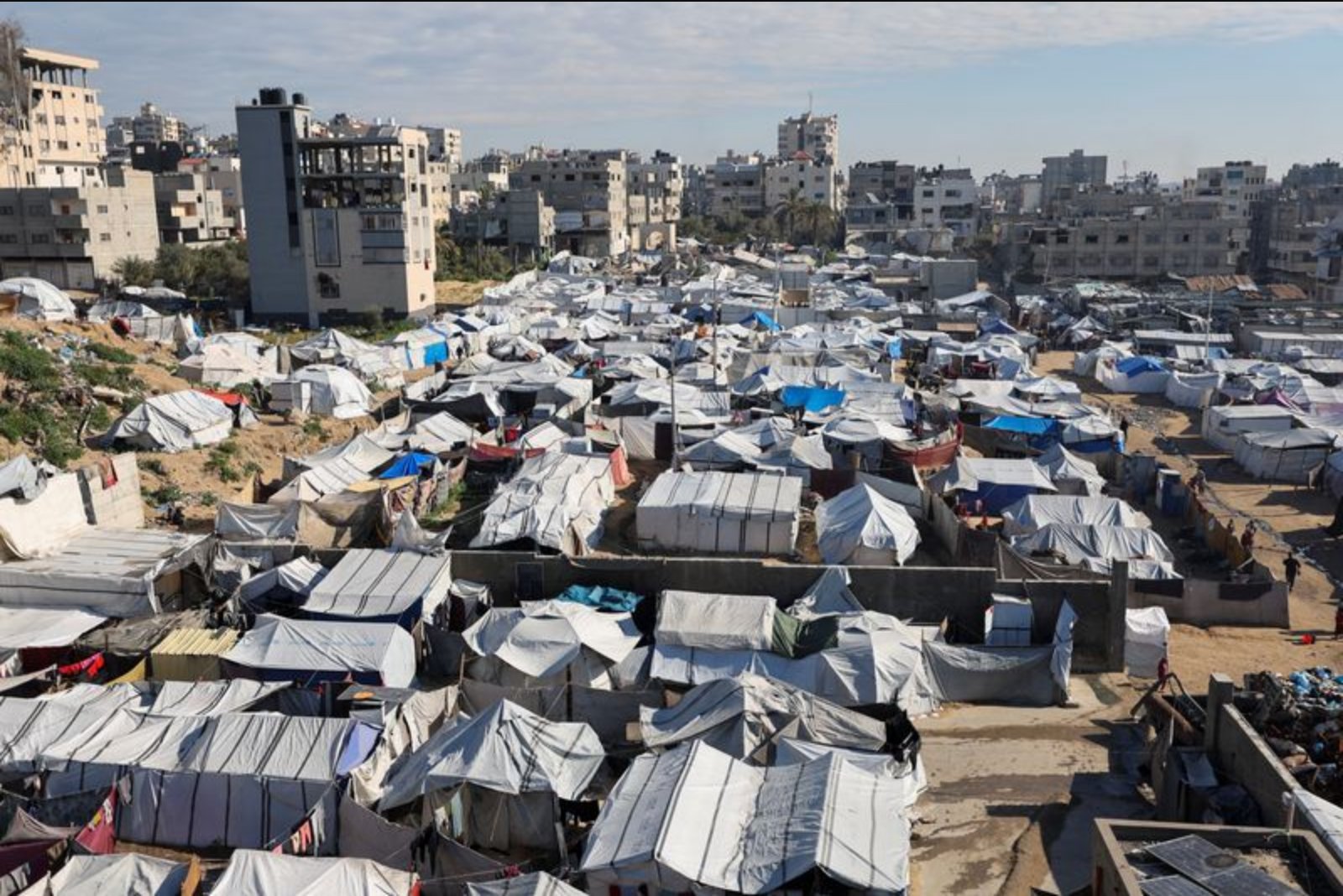
Most residents in Gaza are currently internally displaced after the sustained hostilities. The closures have stoked fears among civilians of a repeat of last year's severe shortages, when parts of the territory experienced famine conditions after aid deliveries were suspended for 11 weeks.
Hamada Abu Laila, a displaced resident of Gaza, said the shutdown of crossings had revived memories of that period. "Why is it our fault, in Gaza, with regional wars between Israel, Iran, and America? It is not our fault," he said, expressing frustration and concern about the humanitarian implications of the interruptions.
Outlook - The immediate concern among aid agencies and local authorities is maintaining operations at hospitals and keeping water and sanitation systems functioning. Those services depend on generators and fuel deliveries, and a prolonged cutoff could quickly degrade public health conditions.