
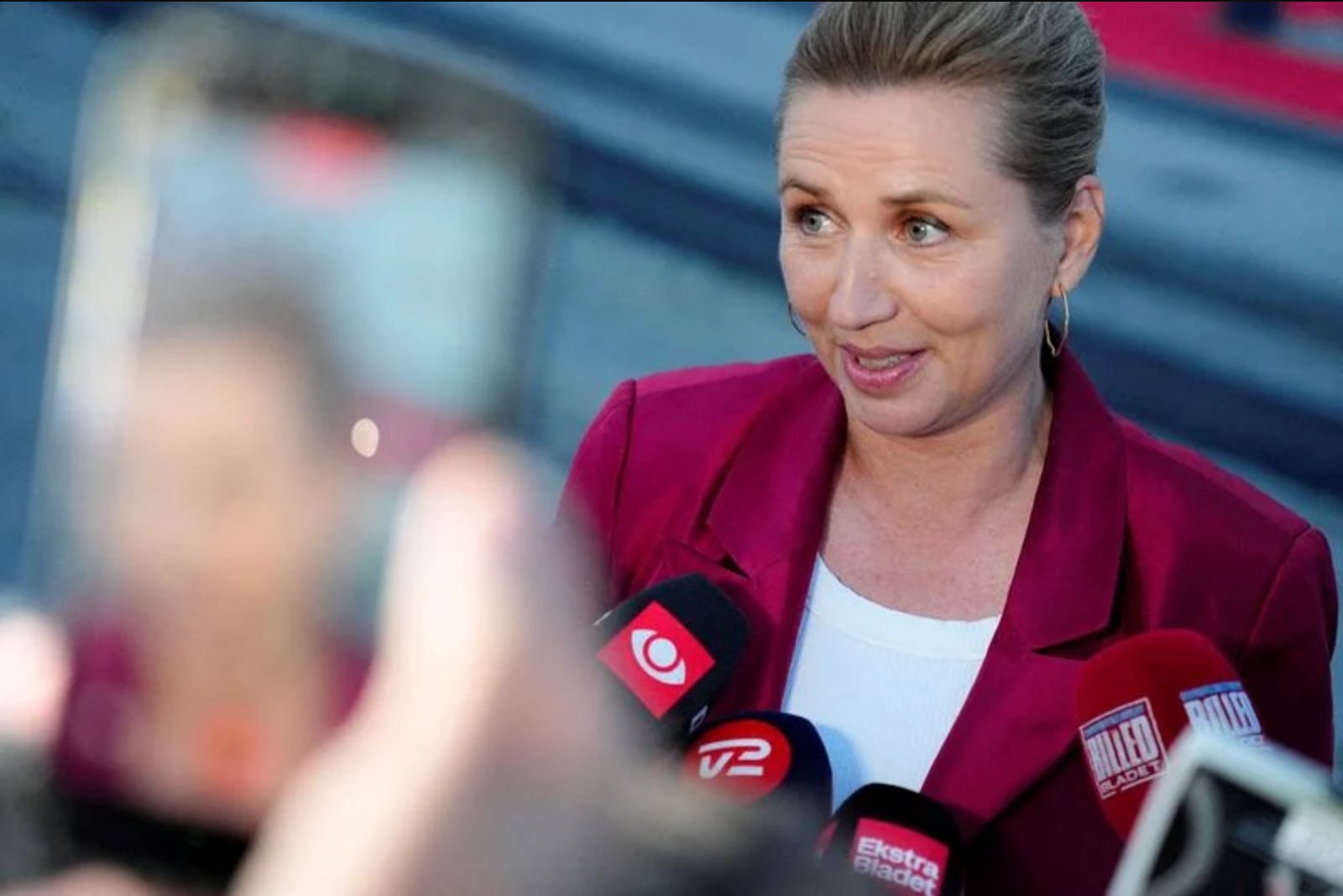
After more than two months of talks, Mette Frederiksen announced an agreement to form her third consecutive government on Monday, a development that could make her Denmark’s longest-serving prime minister since World War Two. The centre-left coalition released a policy document setting out priorities that include strengthening the welfare state, tackling domestic inflation and resisting outside pressure over Greenland.
The programme says the government will resist U.S. pressure on Greenland and pursue ongoing diplomatic talks over the territory, noting that U.S. President Donald Trump has threatened to annex the island. It also calls for a rapid expansion of Denmark’s military capabilities as the government frames the move as a response to deteriorating security in Europe linked to Russia’s war in Ukraine.
"The government will stand firm on the kingdom’s sovereignty, territorial integrity and right to self-determination,"
The document reiterates that decisions about the future of the Kingdom of Denmark - which comprises Greenland, the Faroe Islands and mainland Denmark - rest with the three constituent nations themselves. It also states the new government remains unwavering in its support for Ukraine.
Frederiksen met with the two Greenlandic members of parliament prior to the policy release; those members said they backed the government. The coalition will include the Social Democrats, the Social Liberals, the Left Greens and the centrist Moderates. For parliamentary support the government will rely primarily on the far-left Red-Green Alliance, while retaining the option to seek backing from other parties on individual votes.
To address a cost-of-living crisis that weighed on Frederiksen during the election campaign, the coalition agreed to a package of social measures negotiated with its parliamentary allies. According to the Red-Green Alliance, these commitments include free dental care for Danes within 10 years, free public transport for all people under the age of 22 and zero value-added tax on fruit and vegetables.
The policy package does not include a wealth tax, a proposal Frederiksen had advanced during the election campaign. The Social Democrats recorded their worst election result in more than a century, and the new government structure reflects the compromises required to form a working majority.
Commenting on the political achievement of negotiating a third term, Andreas Thyrring, a partner at the public affairs advisory firm Ulveman & Borsting, said the outcome was notable, adding that colleagues in other European governments might take interest in the negotiation approach used.
The programme positions the government to pursue expanded social services and measures aimed at relieving household costs while also prioritising sovereignty and security concerns. How these policy aims will be financed or paced over the parliamentary term is not detailed in the policy document.