
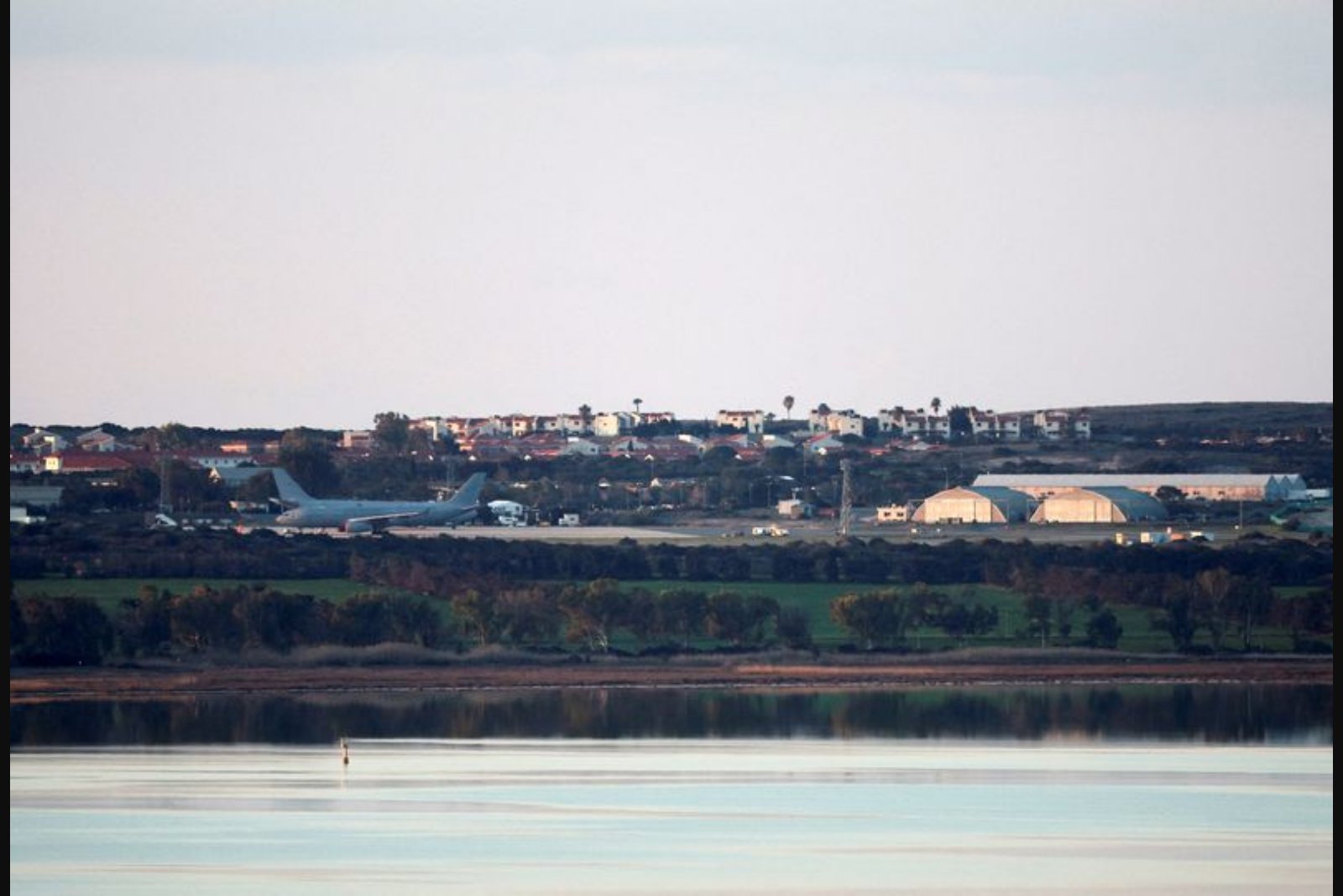
Cyprus is receiving military support from France and Greece following a drone attack on the British Royal Air Force base at Akrotiri, Cypriot government officials said on Tuesday. The measures announced by allies aim to bolster the small Mediterranean island's defences after an Iranian-made Shahed drone caused limited damage to the base's runway.
French President Emmanuel Macron informed Cypriot President Nikos Christodoulides of Paris's intent to send both anti-missile and anti-drone systems, together with a frigate, early on Tuesday, the Cypriot government spokesperson Konstantinos Letymbiotis confirmed. The French Joint Staff said it was continuously assessing developments and that the armed forces were acting in coordination with regional partners to contribute to stability, particularly under existing defence agreements.
Cypriot officials reported that the Shahed drone evaded radar by flying at low altitude and that it was most likely launched by the Iran-backed group Hezbollah from Lebanon. Two additional drones were intercepted on Monday, officials said. The attack on RAF Akrotiri - which, while sovereign British territory, sits close to populated Cypriot areas - prompted several hundred residents to evacuate nearby homes.
Greece responded by dispatching four F-16 fighter jets to Cyprus and sending two frigates toward the island, one of which is equipped with the Centauros anti-drone jamming system. Centauros has previously been used successfully against Houthi rebel drone attacks on shipping lanes off Yemen and is designed to detect and disable low-flying drones, including those skimming the sea surface or flying close to terrain.
A source close to the matter said Britain had not yet decided whether to send a warship to defend the base. Greece's Defence Minister Nikos Dendias, visiting Nicosia on Tuesday, said: "Greece is present, and will continue to be present to assist in any way in the defence of the Republic of Cyprus."
Officials characterized the damage to the RAF Akrotiri runway as limited. They said the drone achieved radar evasion by hugging a low flight profile, which contributed to its ability to strike the base despite the presence of air defences.
Cyprus, which lacks a substantive air force and has relatively modest defence capabilities, has focused in recent years on territorial protection. Modernisation efforts include procurement of the Barak MX air defence system, intended to strengthen aerial coverage around the island.
The episode unfolded as the island unexpectedly became entangled in wider regional tensions after U.S. and Israeli strikes on Iran and retaliatory attacks by Tehran across the region. Given the base's proximity to Cypriot population centers, the incident produced local evacuations and heightened concerns about spillover effects from the escalating exchanges.
The deployments from France and Greece reflect efforts by regional partners to stabilise the situation and to shore up Cyprus's capacity to counter low-altitude drone threats. French forces said they were coordinating with regional partners under existing defence arrangements, while Greece signalled continued operational support.
Background details
- Type of attacking drone: Iranian-made Shahed, reported to have caused limited runway damage.
- Likely launch point: Officials said it was most likely fired by Hezbollah from Lebanon.
- Defensive responses: France to send anti-missile and anti-drone systems plus a frigate; Greece sent four F-16s and two frigates, one with the Centauros jamming system.
- British decision: London had not decided whether to deploy a warship as of Tuesday, according to a source close to the matter.