
Background
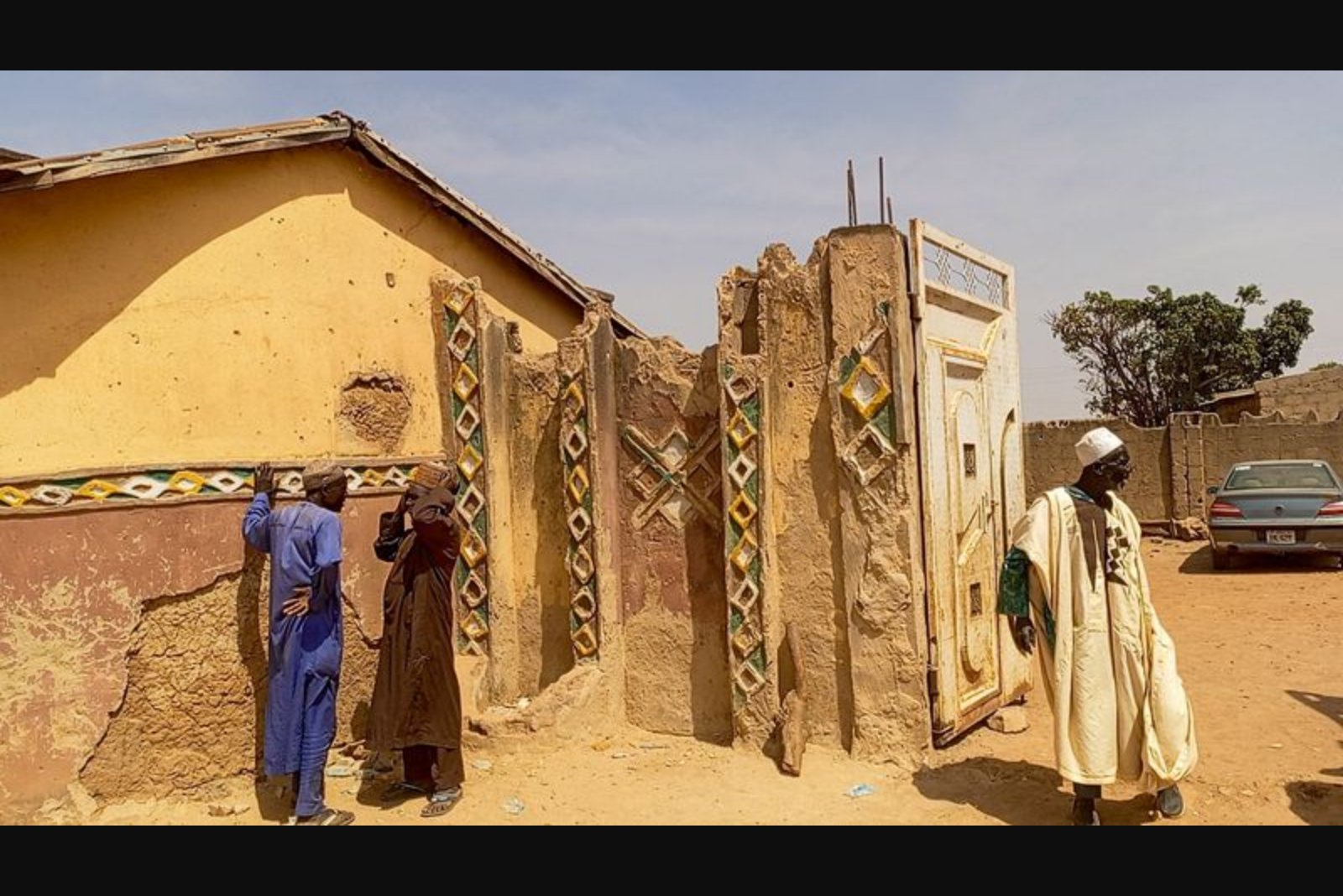
Leaders from Doma, a town in northern Nigeria's Katsina state, entered into talks with a local armed group last September in hopes of ending attacks that had disrupted farming and daily life. For months after the agreement, residents said violence subsided and people began to tend fields again. The arrangement held until February 3, when members of the same gang returned to Doma and carried out a house-to-house assault that survivors said left at least 21 people dead and effectively destroyed the six-month truce.
What the deal involved
Multiple local participants described a sequence of meetings that began in July, one of which was recorded and circulated on social media. The footage showed the armed group riding in pairs on motorbikes. Town leaders and officials from the state and the Faskari local government area that includes Doma attended the talks, according to local officials.
Those involved in the negotiations identified among the armed men a herder from the Fulani community who has emerged as a prominent bandit leader. After roughly three months of discussions, the town and the armed group reached terms that included allowing herders to graze cattle near the town, a pledge by the gunmen to stop attacks, the release of some 400 kidnapped villagers and a commitment not to carry weapons or wear military uniforms while herding. An unknown sum of cash, delivered in a sack, was also paid to the armed group, according to a person familiar with the arrangement.
Collapse and attack
Residents said tensions rose in mid-January when the armed group accused locals of killing one of its members and launched a retaliatory raid. On February 3, more than 50 gunmen returned to Doma. Townspeople who recognized members of the gang said the attackers moved systematically from house to house, shooting inhabitants.
Survivors described scenes of terror. Ramatu Muhammed told witnesses she saw them kill her son Saifullahi despite pleading for his life. Aliyu Abdullahi, who lost his brother and two cousins in the assault, said: "They didn’t spare any man they saw."
Broader pattern of local pacts
Officials from around 15 districts across Katsina state, and others in the neighbouring northern states of Kaduna, Sokoto and Zamfara, have pursued similar arrangements with armed groups, local sources said. Many communities, frustrated by repeated violence and what they view as ineffective initiatives by the central government and the military, have opted to send representatives to negotiate directly with bandits and gangs of kidnappers.
Kabiru Adamu, a former Nigerian intelligence officer who now runs a risk management company, said communities appear to have turned away from relying on government protection. "People appear to have given up on the government’s ability to protect them, and are instead making deals with bandits," he said. "Whether those deals will actually bring peace is another matter." The military, the Katsina police and a spokesperson for the president did not immediately respond to requests for comment about the local agreements and the Doma attack.
Federal response and security operations
Federal officials have publicly discouraged local truce-making. Defence Minister Christopher Musa warned local authorities in northern states against striking such deals, saying they undermine national efforts to restore security and a policy of not negotiating with bandits.
The government says it has been working with U.S. intelligence and forces since a previous accusation by President Donald Trump that Nigerian authorities had failed to stem attacks by Islamist militants, which he said disproportionately targeted Christian communities. In December, U.S. forces struck targets in Sokoto on Christmas Day, with Abuja saying it was closely involved and U.S. officials reporting that several militants were killed.
Despite those operations, residents of northern communities said there has been no clear reduction in the attacks experienced by predominantly Muslim areas, where violence is intertwined with a complex web of causes. Alongside militancy, disputes over land and water between herders and farmers - exacerbated by climate-induced migration, desertification in the north and population growth - continue to fuel conflict.
Local costs and the risks of informal accords
In Doma, the initial agreement sought to address immediate sources of conflict: grazing access for herders in return for assurances of safety for farming households and the release of abductees. Yet the rapid breakdown of that pact highlights the vulnerabilities of informal security arrangements made without the backing of formal state authority or security forces.
Residents and local officials warned that the Doma massacre could be replicated across the region, as other communities weigh informal negotiations against ongoing insecurity and perceived government inaction. Officials who have pursued such pacts are now faced with the consequences when agreements fail to hold.
What remains uncertain
It is unclear how many other local deals remain in force, how durable any remaining pacts are, or what measures the central government will take to support communities that negotiate directly with armed groups. The human toll of the Doma attack - deaths, abductions and displacement - adds urgency to those questions while underscoring the limits of locally brokered settlements when accountability and enforcement mechanisms are absent.
Reporting for this piece relied on statements from residents, local officials and named individuals who participated in or observed the events described. The article reflects those accounts and the responses and warnings issued by federal officials.