
Summary
Former lawyers for Brenton Tarrant, the Australian national convicted over the Christchurch mosque attacks, told the Court of Appeal on Tuesday that while he showed signs of anxiety in custody early in the legal process, he did not present as depressed during the period leading up to his guilty pleas. The testimony is part of Tarrant's bid to overturn his convictions and obtain a new trial.
Courtroom testimony and the appeal
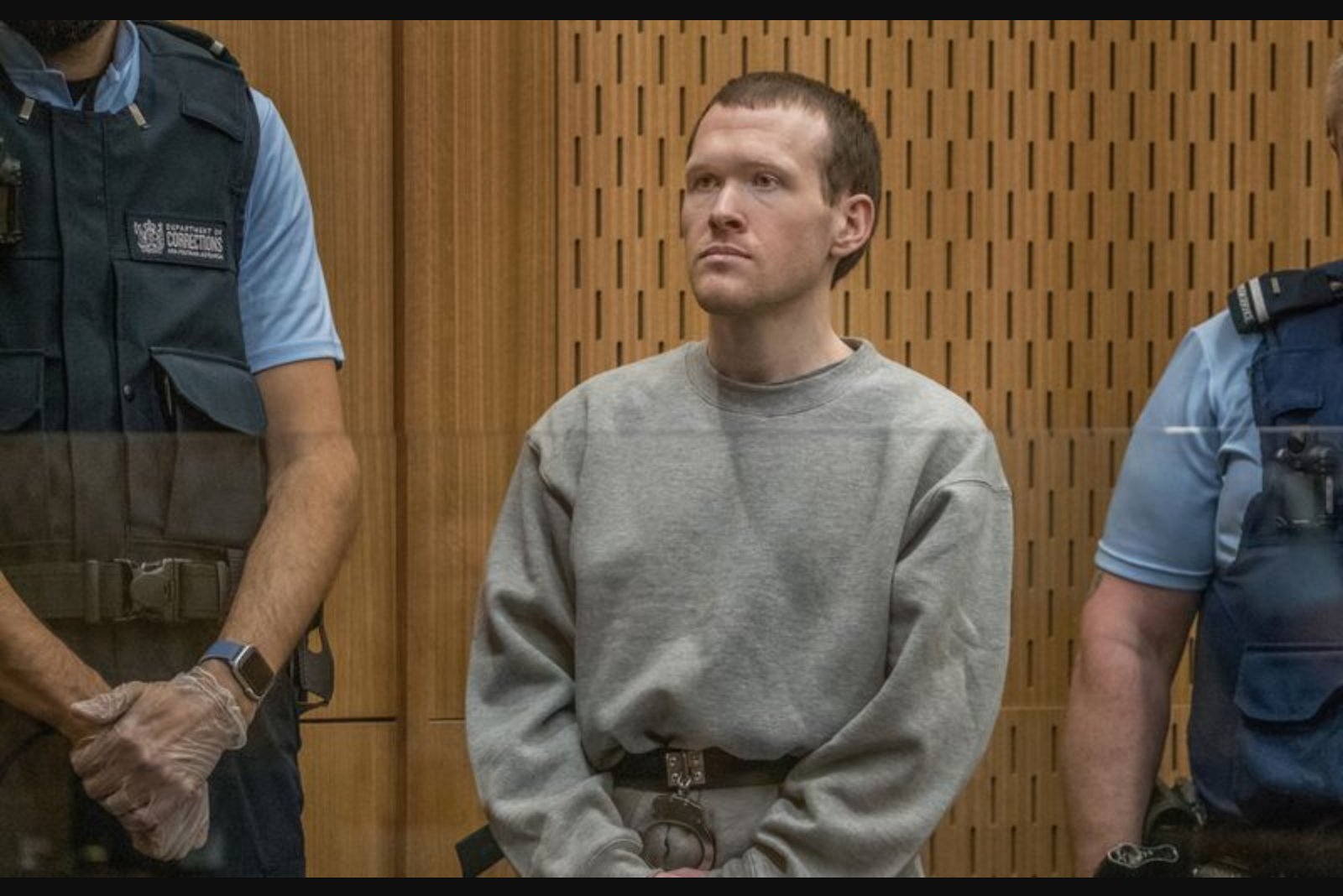
At the Court of Appeal in Wellington, Tarrant is arguing that his mental health at the time he entered guilty pleas was adversely affected by the conditions in which he was held. He addressed the court on Monday via video link, asserting that the harshness of his treatment in custody impacted his mental state when he pleaded guilty.
The appeal hearing has been scheduled for five days and is expected to finish on Friday. Counsel currently representing Tarrant have had their names and identities suppressed by court order and were not available to comment.
Former counsel account
Jonathan Hudson and Shane Tait, who acted as Tarrant's lawyers from March 2019 until July 2020, provided accounts to the court describing his state during the early stage of proceedings. They said Tarrant complained about conditions in custody, including being restrained with handcuffs and being required to wear a suicide prevention suit, according to reports heard in court.
Both lawyers said Tarrant appeared to adjust to his circumstances after roughly a month in custody. Hudson told the court he relied on the findings of two mental health assessors that indicated no problems with Tarrant's fitness to plead. Hudson said those assessments gave him reassurance about Tarrant's capacity to participate in the legal process.
Hudson also said that Tarrant's mental state was consistent across the range of charges the lawyers faced. He recounted that Tarrant expressed satisfaction when authorities added terrorism charges, stating that Tarrant "wanted to be described as a terrorist," according to the testimony reported in court.
Background to the convictions
Tarrant, now 35, opened fire on two mosques in Christchurch during Friday prayers in March 2019, killing 51 Muslim worshippers. He used military-style semi-automatic weapons and streamed the attacks live on Facebook using a head-mounted camera. Initially denying all charges and preparing to stand trial, he entered guilty pleas in 2020 to 51 counts of murder, 40 counts of attempted murder and one count of committing a terrorist act.
He is serving a life sentence without parole, the first instance in which a New Zealand court ordered a sentence requiring someone to spend the remainder of their life in prison.
Ongoing legal process
The appeal hearing will continue through the scheduled five-day period, with the court expected to conclude proceedings this week. The testimony of Tarrant's former lawyers forms part of the evidence the Court of Appeal will weigh as it considers whether a new trial should be granted.