
Florida’s public university system has instituted a temporary suspension on hiring foreign faculty through the H-1B visa program, the mechanism that permits employers to bring in specialized foreign professionals. The Florida Board of Governors voted to implement the ban, which will remain in force until January 5, 2027, according to the regulation posted on the board’s website.
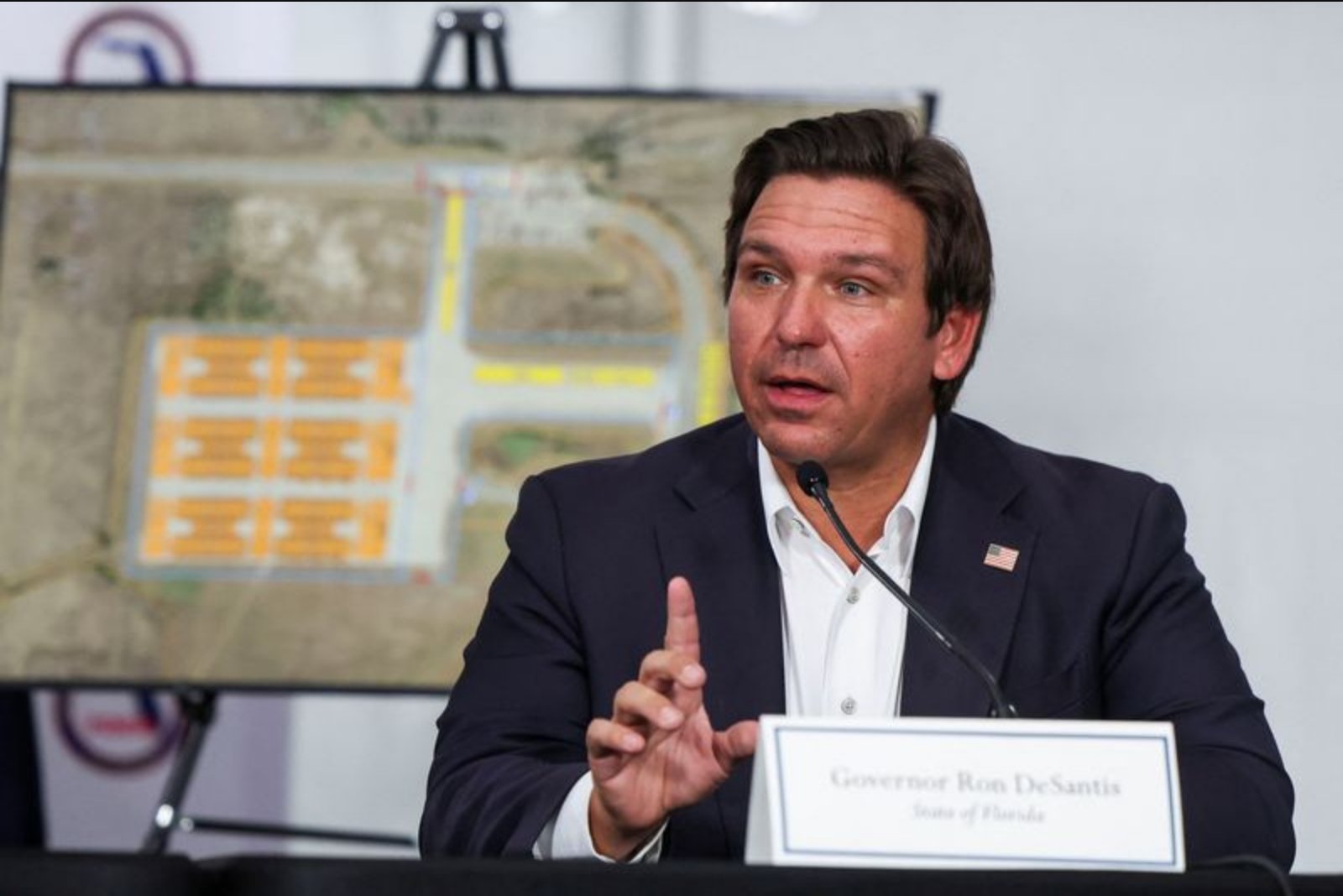
The restriction applies exclusively to new employees at the 12 institutions that make up the State University System of Florida. It follows a directive issued last October by Governor Ron DeSantis asking state schools to take action against what he described as "visa abuse" within higher education.
The move arrives in the context of recent federal measures affecting the H-1B program. The article notes that last year the U.S. President imposed a one-time $100,000 fee for new H-1B visa applicants as part of a broader enforcement push on immigration policy.
The H-1B program is used mainly to employ foreign professionals in specialized occupations, with emphasis on science, technology, engineering and mathematics fields. The program makes available 65,000 regular visas each year, plus an additional 20,000 visas reserved for workers holding advanced degrees. Successful H-1B petitions typically carry work authorization for periods ranging from three to six years.
According to U.S. Citizenship and Immigration Services data cited in the regulation, the 12 Florida public universities collectively had more than 600 approved H-1B beneficiaries in the prior year. The new policy will therefore apply to future hires among that group but will not retroactively affect current employees already holding H-1B status.
The office of Governor DeSantis and the Florida Board of Governors were not immediately available for comment on the vote or its implementation timeline.
Summary and context:
This policy action formalizes a temporary hiring pause for new H-1B-based faculty appointments across Florida’s state university system through early 2027, reflecting state-level concerns about the use of the H-1B visa in higher education and following a gubernatorial directive issued last October.