
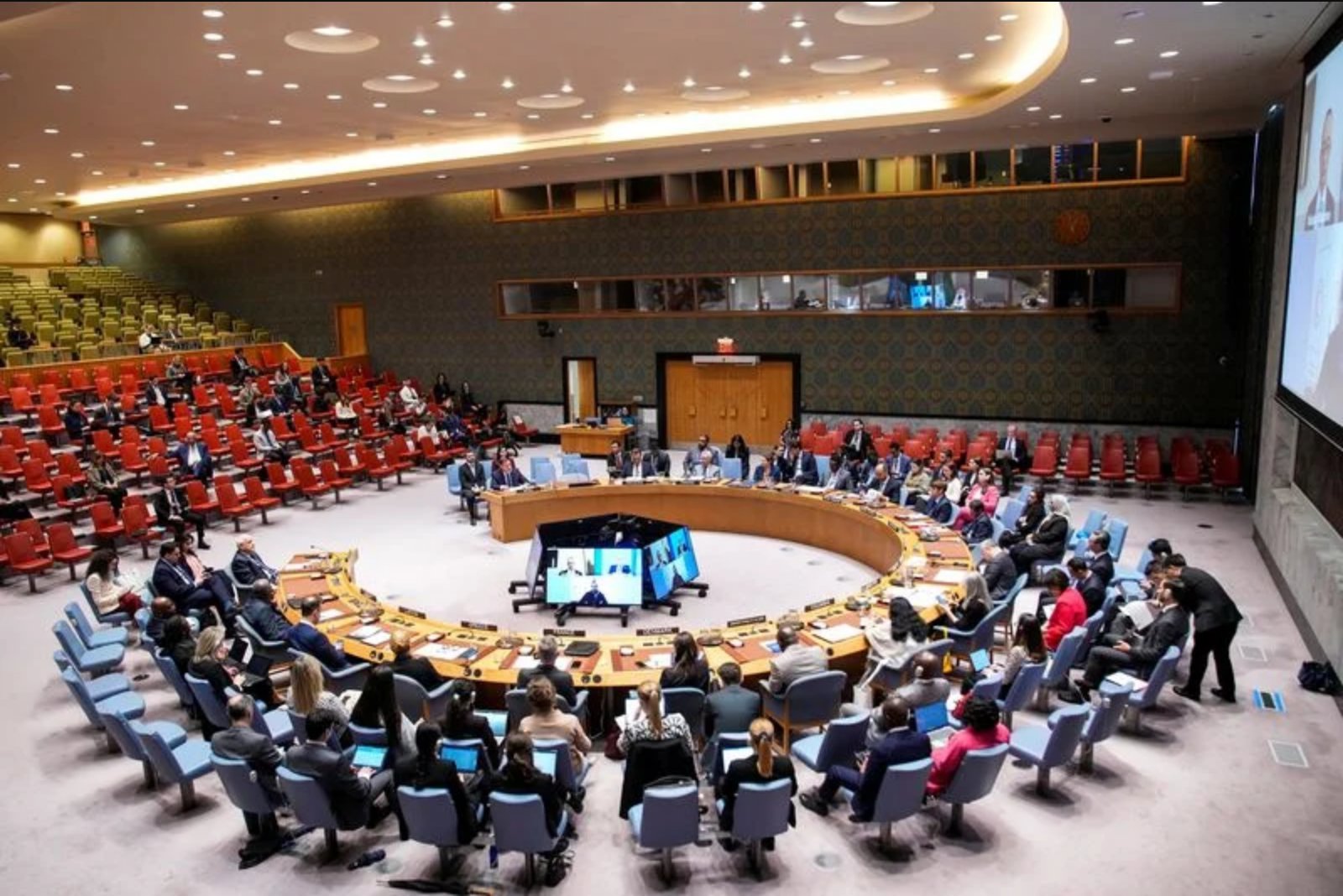
The United Nations General Assembly voted on Wednesday to fill five non-permanent seats on the 15-member U.N. Security Council for the two-year period beginning January 1, 2027. The countries elected were Austria, Kyrgyzstan, Portugal, Trinidad and Tobago and Zimbabwe.
Germany, which had mounted a campaign for a seat, did not win one of the two places allocated to the Western European and Others Group. In that contest, Portugal received 134 votes and Austria 131, while Germany finished third with 104 votes.
The contest for the Asia-Pacific Group spot required multiple ballots. The race between the Philippines and Kyrgyzstan went to four rounds of voting before Kyrgyzstan achieved the two-thirds majority required, winning 142 votes to 49 and securing its first-ever seat on the Security Council.
The Security Council is unique within the United Nations system in that it can take actions that are legally binding on member states, including imposing sanctions and authorizing the use of force. The council consists of five permanent members with veto power - Britain, China, France, Russia and the United States - and 10 non-permanent members that are elected by the General Assembly. Each year, five of the non-permanent seats are refreshed.
For this election cycle, the distribution of the five new non-permanent members reflects regional groupings: one seat from the Africa Group, one from the Latin American and Caribbean Group, one from the Asia-Pacific Group, and two from the Western European and Others Group.
The newly elected members will take the places of current non-permanent members at the start of 2027. Zimbabwe will replace Somalia, and Trinidad and Tobago will take the seat held by Panama. Portugal and Austria will succeed Denmark and Greece, respectively. Kyrgyzstan will replace Pakistan.
Meanwhile, five countries will continue serving as non-permanent members through the end of 2027: Bahrain, Colombia, the Democratic Republic of Congo, Latvia and Liberia.
General Assembly leadership
Separately, on Tuesday the General Assembly elected Bangladeshi Foreign Minister Khalilur Rahman as president of the 193-member body for its 81st session, which begins in September.
The outcomes of the vote alter the composition of the council that deliberates on matters such as sanctions and authorizations related to the use of force, and they mark Kyrgyzstan's first membership on the Security Council. Germany's failure to secure a seat concludes its campaign for this election cycle.