
Summary
Australia has granted visas to five players from Iran’s women’s national football team who sought asylum while the squad was in the country for the Asian Cup. The move came after U.S. President Donald Trump said he had spoken with Australian Prime Minister Anthony Albanese about the situation. Home Affairs Minister Tony Burke confirmed the visas at a news conference and said the remaining members of the Iran squad were offered the opportunity to remain in Australia as well.
Visas and official statements
At a press briefing on Tuesday, Tony Burke said five players had been told they were welcome to stay in Australia, that they were safe, and should feel at home. He said the other team members remain in a hotel on the Gold Coast and that Australian authorities have offered them the chance to remain in the country if they choose. Burke's comments were delivered amid ongoing media coverage that some players had sought Australian government assistance after leaving their team hotel.
International reaction and high-level contact
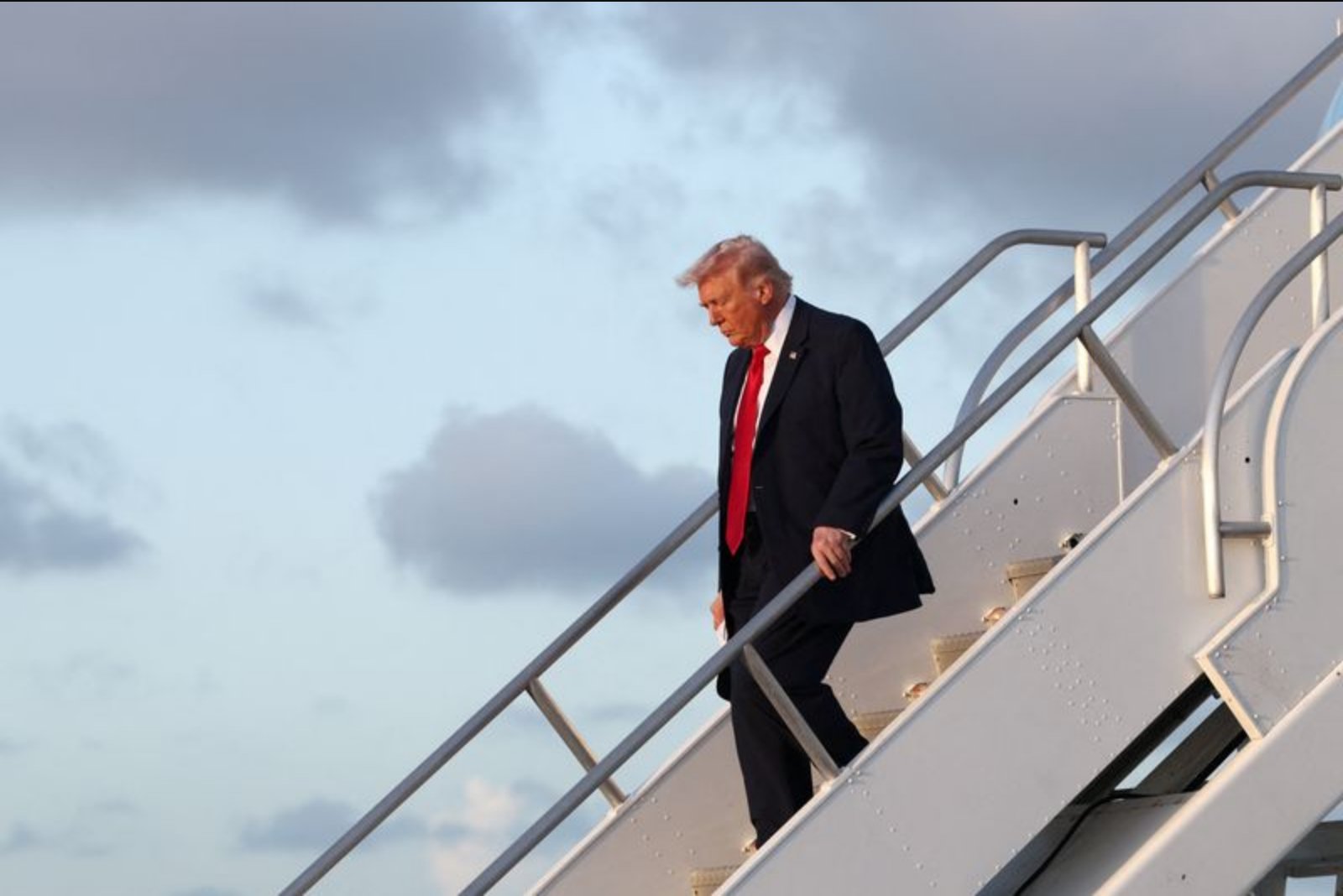
The announcement followed public remarks by U.S. President Donald Trump, who had initially posted on social media warning that members of the team would "likely be killed" if returned to Iran and saying "The U.S. will take them if you won’t." Trump later posted that he had spoken with Prime Minister Albanese and that the Australian leader was handling the "rather delicate situation" well. Trump added that five members of the squad "have already been taken care of, and the rest are on their way," while acknowledging some players worried about the safety of family members back in Iran and felt they must return.
Team circumstances and welfare concerns
The Iranian team had been participating in the Asian Cup when reports emerged that five players had left their hotel in Australia with Australian police. Iran’s semi-official Fars news agency reported that those players had slipped out of the team hotel. Iranian officials quoted in domestic media described the departure as having occurred through the hotel’s back door with police assistance.
FIFPRO, the global players’ union, expressed serious concerns for the team’s welfare after players were labelled "wartime traitors" by commentators for failing to sing Iran’s national anthem before a match. The squad had stood in silence during the anthem before their opening match against South Korea, a move that drew harsh criticism from state media at home. Prior to the team’s second match against Australia, the players sang the anthem and saluted, which prompted human rights campaigners to fear the gesture may have been made under coercion by government minders.
Match outcomes and tournament status
The Iran team was eliminated from the Australian-hosted Asian Cup after a 2-0 defeat by the Philippines on Sunday. The tournament presence coincided with broader regional developments noted in reporting on the squad’s situation.
Names and logistics reported by Iranian media
Iranian media have named the five players reported to have left the hotel as Zahra Sarbali, Mona Hamoudi, Zahra Ghanbari, Fatemeh Pasandideh and Atefeh Ramazani-Zadeh. Iranian officials quoted in domestic outlets said other team members remained in Australia and that initial plans to return to Iran via Dubai were blocked when the United Arab Emirates did not allow them to transit. Iranian reports indicated that alternative routes under consideration included travel via Malaysia and Turkey.
Historical context of Australian responses to asylum requests
Australia has precedent for emergency humanitarian visas in sports-related cases. The government previously granted emergency humanitarian visas to more than 20 members of Afghanistan’s women’s cricket team after the Taliban regained control in 2021. That action was cited in public discussion about the Iranian players’ case.
Ongoing uncertainties
Several factors remain unresolved: the ultimate decisions of other team members regarding whether to remain in Australia, the safety of players’ relatives in Iran, and the logistics of where and how the remainder of the squad will travel. Government and sporting bodies have been contacted according to Iranian football officials, who said they engaged with the embassy, the national federation, the foreign ministry and players’ families to determine next steps.
What is clear
At present, five members of Iran’s women’s national football team are able to stay in Australia under visas issued by the Australian government. Australian authorities have offered the same option to other squad members who remain in the country. International players’ unions and human rights campaigners have flagged welfare concerns following reports of punitive labels applied to the squad at home after a public act of silence during an anthem. Travel plans for the team have been complicated by denied transit through the United Arab Emirates and the potential for alternative routing through Malaysia and Turkey.
Reporting includes statements from Australian officials, public posts by the U.S. president, comments by Iran’s semi-official media, and concerns raised by FIFPRO as described in media reports.