
The hostilities between the United States and Iran intensified this week, producing fresh attacks on maritime traffic and prompting senior officials on both sides to indicate the campaign will continue.
U.S. President Donald Trump, speaking at a large rally in Kentucky ahead of November midterm elections in which his Republican party is reported to be trailing, said the United States had "won" the war but argued against a premature withdrawal. "We don’t want to leave early do we?" he asked, adding "We got to finish the job."
On the other side, Iran warned of prolonged economic pain tied to oil markets after carrying out strikes in and around the Gulf. A spokesperson for Iran’s military command said directed remarks at the United States, stating: "Get ready for oil to be $200 a barrel, because the oil price depends on regional security, which you have destabilised."
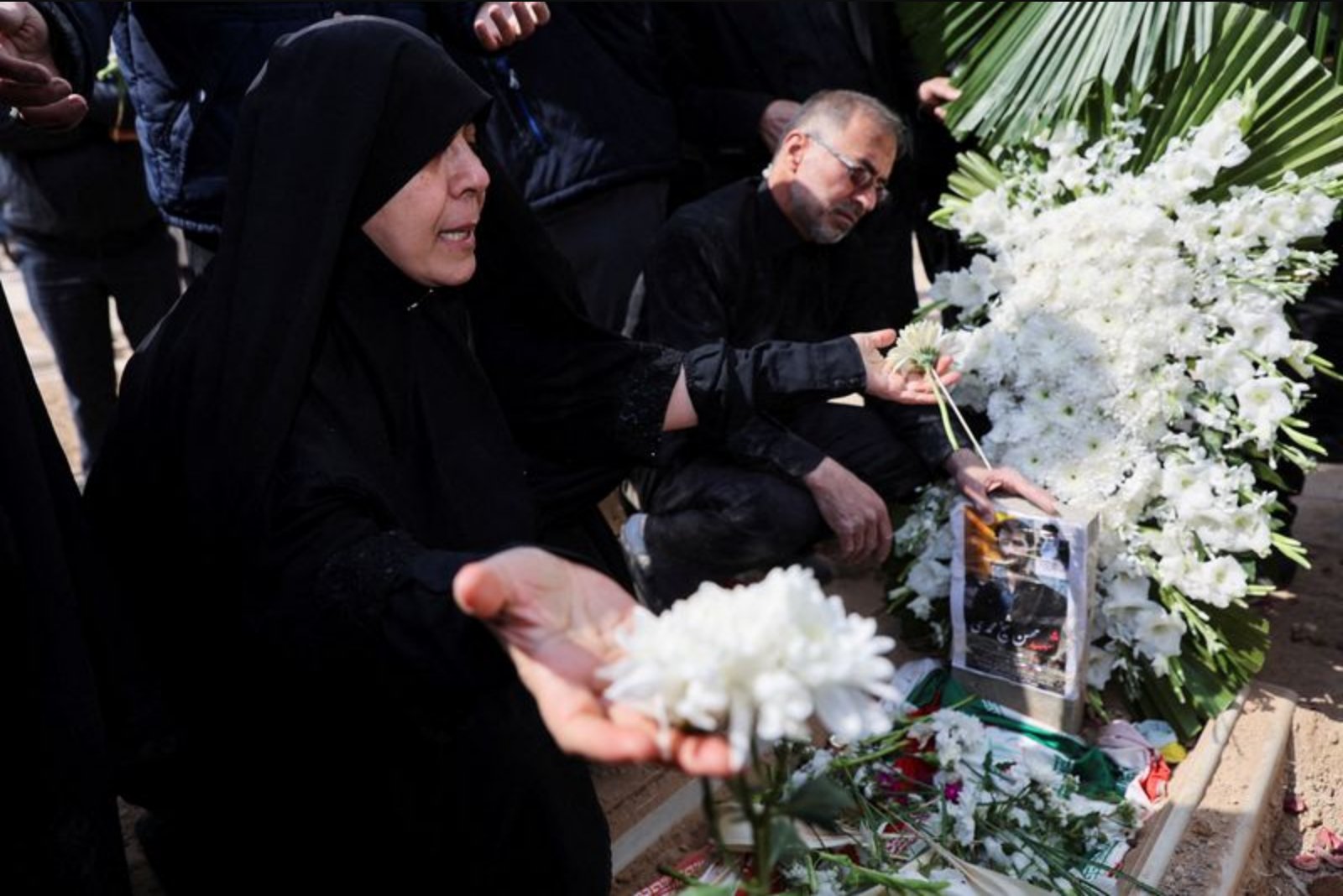
The exchanges came after a period of heavy fighting that began with joint U.S. and Israeli air strikes nearly two weeks earlier and has, according to reporting, killed around 2,000 people, the majority being Iranians and Lebanese. The violence has spread into Lebanon and has significantly disrupted transport and energy markets. The United Nations Children’s Fund (UNICEF) reported that more than 1,100 children had been killed or injured.
Despite the United States and its allies mounting what the Pentagon described as the most intense airstrikes since the start of the war, Iran on Wednesday struck targets in Israel and across the Middle East, underlining its continued operational reach.
Reports from port, maritime security and risk firms indicate that Iranian explosive-laden boats appear to have attacked two fuel tankers in Iraqi waters, setting the vessels on fire and killing one crew member. These incidents followed projectiles striking three vessels in Gulf waters, adding to an already volatile maritime environment.
Tony Sycamore, an analyst at IG, characterized the attacks as "a direct and forceful Iranian response" to an International Energy Agency (IEA) announcement the previous night recommending a major release from global strategic oil reserves in an effort to cool runaway prices.
The IEA recommended releasing 400 million barrels from strategic reserves, the largest such intervention in history, aimed at easing one of the sharpest oil shocks since the 1970s. President Trump said the IEA decision "will substantially reduce oil prices as we end this threat to America and the world." U.S. Energy Secretary Chris Wright said the president had authorised the release of 172 million barrels from the U.S. Strategic Petroleum Reserve to begin next week.
Oil markets have been volatile: prices surged earlier in the week to nearly $120 a barrel before retreating to around $90, then rose nearly 5% on Wednesday and extended gains in Asian trade on Thursday amid renewed concerns about supply disruption. Wall Street’s main share indexes fell amid the market reaction.
The strategic Strait of Hormuz, a vital shipping route along Iran’s coast that carries roughly one-fifth of the world’s oil, remains effectively blocked. An Iranian military spokesperson said the Strait was "undoubtedly" under Iran’s control. The G7 nations - the United States, Canada, Japan, Italy, Britain, Germany and France - agreed to consider escorting ships to enable safer navigation through Gulf waters.
President Trump stated that U.S. forces had taken out 58 Iranian naval ships and said Iran was "pretty much at the end of the line." He added that the U.S. would "look very strongly" at the Strait of Hormuz, asserting: "The straits are in great shape. We’ve knocked out all of their boats. They have some missiles, but not very many." He also said that ships "should" transit through the strait, though sources reported Iran had deployed about a dozen mines there, complicating navigation.
ABC News reported the Federal Bureau of Investigation had warned of Iranian drones potentially striking the U.S. West Coast; President Trump said he was not worried about strikes on U.S. soil. Separately, the U.S. State Department warned that Iran and militias aligned with it may be planning attacks on U.S.-owned oil and energy infrastructure in Iraq and noted that militias have previously targeted hotels frequented by Americans.
U.S. and Israeli officials have stated their strategic aim is to end Iran’s ability to project force beyond its borders and to destroy its nuclear programme. An Israeli military official said the military still retains a long list of targets in Iran, including ballistic missile and nuclear-related sites.
The U.S. military issued instructions for Iranians to avoid ports that host Iranian navy facilities. Iran’s military warned that if those ports were threatened, economic and trade centres in the region would be considered "legitimate targets."
With pump prices climbing, oil has become an increasingly central element in calculations around the conflict. While strategic reserve releases will provide some relief, the rate at which IEA countries can release crude will vary and the volume released represents only a fraction of the oil typically shipped through the Hormuz Strait.
In Tehran, offices of a bank were hit overnight. Iran said it would retaliate with attacks on banks that do business with the United States or Israel and issued guidance for people across the Middle East to stay 1,000 metres away from banks.
The unfolding events have strained global shipping, oil markets and regional security calculations. Energy prices, trade routes and financial institutions with exposure to the region — including international banks operating in or with ties to Gulf clients — face heightened disruption and uncertainty as military operations continue and as both sides signal persistence in their objectives.