
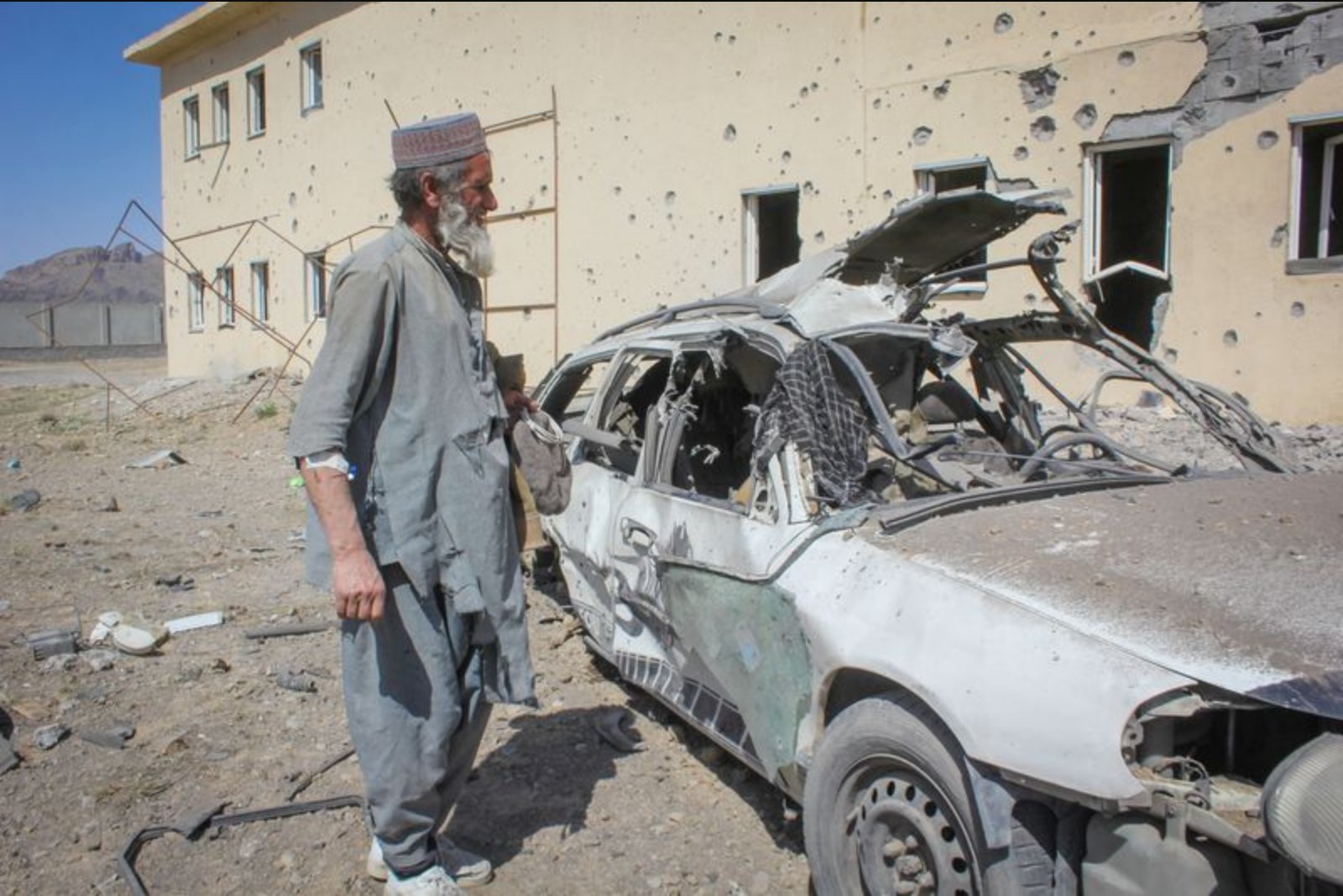
Fighting between Pakistan and Afghanistan entered a fifth day on Monday, with both governments continuing to report strikes on military positions across their shared 2,600-kilometre border and no apparent move toward de-escalation.
The current bout of direct hostilities is the most intense in years between the neighbouring countries. It began after the Afghan Taliban said it carried out retaliatory strikes against Pakistani installations, in response to Pakistan’s targeting of militants based in Afghanistan. The exchanges have included air strikes, ground attacks and the use of anti-aircraft weapons.
Frontline claims and battlefield developments
Afghan Taliban authorities said on Monday that their forces had destroyed a Pakistani military armoured tank in the border area of Paktika province after, they said, the tank had fired shells indiscriminately into Afghan territory. The Taliban defence ministry quoted its spokesman, Enayatullah Khowarazmi, as saying Afghan forces had killed more than 100 enemy personnel and captured more than 25 Pakistani military posts since the clashes began.
Khowarazmi also addressed the Afghan public, saying that enemy aircraft sometimes traversed Afghan airspace and that Taliban fighters fired air defence weapons to repel those incursions. He told citizens, "Do not be concerned, they are your own sons. Be confident and trust your sons," referring to Taliban fighters.
Afghan police reported that Pakistani jets had attempted to bomb Bagram air base outside Kabul late on Sunday but that the strikes were repelled by ZU-23 anti-aircraft guns. Authorities said there were no casualties or financial losses from the reported attempt. Bagram air base, located north of Kabul, was previously a major U.S. military facility during international operations in Afghanistan.
Pakistan's account and claimed gains
Pakistan has described its military operations as ongoing and said its forces had struck a series of militant and military targets inside Afghanistan. Pakistani security sources reported the destruction of ammunition depots in Khost and Jalalabad, along with a drone storage site in Jalalabad among other locations.
Pakistan's Information Minister Attaulla Tarar posted on social media that Pakistani forces had killed 435 Afghan troops, destroyed 188 posts and captured another 31 posts. He also said Pakistan had destroyed 188 tanks, armoured vehicles and artillery guns and had targeted 51 locations by air. These figures were presented by Pakistani officials as a tally of their battlefield achievements.
Casualties, claims and verification
Dozens of people have been reported killed on both sides since the fighting began. Both Afghanistan and Pakistan have issued claims of inflicting heavy damage on the other, including the capture of positions and the destruction of equipment. Independent verification of the competing tallies and battlefield claims has not been available.
Diplomatic signals and mediation attempts
Regional and friendly states have indicated a willingness to help mediate, but concrete progress toward a negotiated end to hostilities has not materialised. The Afghan Taliban said it was open to negotiations, while the Gulf region has been distracted by its own conflicts, limiting movement on diplomatic initiatives.
Pakistan has consistently framed the dispute as centred on militancy. Pakistani officials say their sole demand is that Afghan territory not be used as a base for militants of Tehreek-e-Taliban Pakistan who seek to carry out attacks inside Pakistan. At a briefing in Islamabad, Foreign Minister Ishaq Dar told diplomats that "Pakistan has had only one ask, and that’s that Afghan soil shouldn’t be used against Pakistan." He added that, beyond that issue being resolved, Pakistan had no other dispute with Afghanistan.
Outlook and remaining uncertainties
Although the intensity of the engagements appears lower than at the outset, there are no clear signs that either side is preparing to stand down. Both parties continue to report offensive operations and battlefield gains while also publicly offering negotiations. The presence of wider regional tensions has complicated mediation efforts, and the lack of independent verification leaves key details of the fighting subject to uncertainty.