
European and other U.S. partners said they have no immediate intention of dispatching warships to the Strait of Hormuz in response to a request from President Donald Trump, rejecting Washington’s call for international help to keep the strategic waterway open.
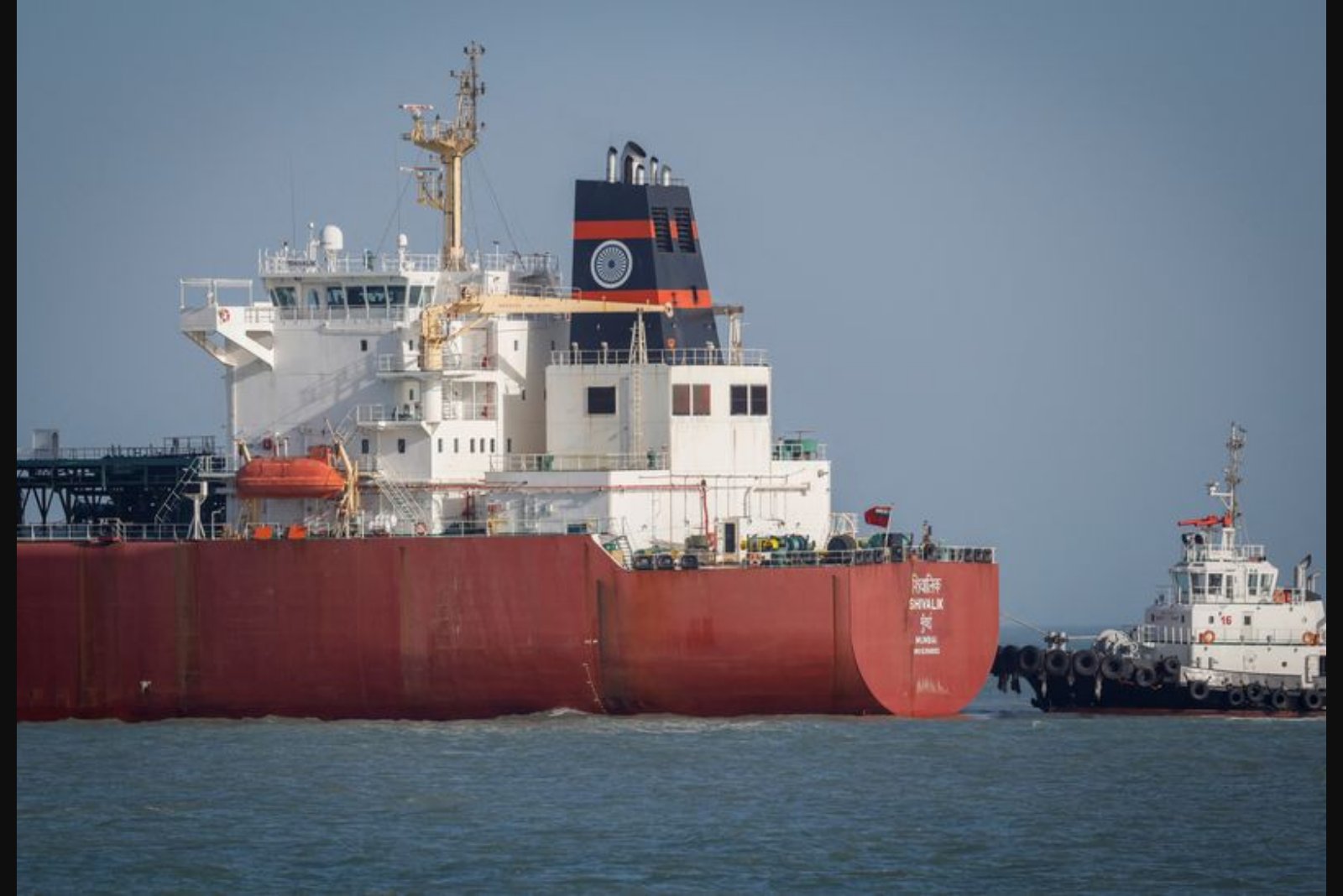
Trump urged nations to help police the strait after Iran replied to U.S.-Israeli strikes by employing drones, missiles and naval mines that have effectively closed the channel off its coast to oil tankers carrying about a fifth of the world’s petroleum shipments.
Although most NATO members typically try to avoid public confrontations with the White House, several allies signalled they were unwilling to be drawn into a direct confrontation with Tehran. That reticence was evident in comments from senior officials across Europe.
In Berlin, German Defence Minister Boris Pistorius questioned the practicality of sending a relatively small number of European frigates to the strait when the United States fields a substantially larger naval force. "What does (...) Donald Trump expect a handful or two handfuls of European frigates to do in the Strait of Hormuz that the powerful U.S. navy cannot do?" he said, downplaying threats from Trump that non-participation could carry consequences for the NATO alliance.
Germany’s government reiterated its stance that it would not be dragged into the conflict. Government spokesperson Stefan Kornelius said the clash was not a NATO matter and described Germany as having no plans to become involved. "This is not our war, we have not started it," Kornelius added. He also underlined that neither the United States nor Israel had consulted Germany before the conflict began and that Washington initially indicated European assistance was neither necessary nor desired.
Despite broad reluctance, a handful of diplomatic and operational options are under discussion. EU foreign policy chief Kaja Kallas said the bloc is engaging the United Nations about the feasibility of adapting an arrangement similar to the mechanism that permitted Ukrainian grain exports during that conflict. The EU is also considering whether the mandate of its Aspides naval mission - currently tasked with protecting vessels from attacks by Yemen’s Houthi rebels in the Red Sea - could be shifted to encompass operations in the Strait of Hormuz, Kallas said.
Greece, which leads the Aspides mission, indicated it would confine its contribution to the Red Sea. Government spokesman Pavlos Marinakis stated Greece would limit participation in Middle East naval efforts to that area.
China said its foreign ministry was speaking with all parties in an effort to ease tensions around the strait, reflecting Beijing’s interest in de-escalation.
In London, Prime Minister Keir Starmer pledged that the United Kingdom would collaborate with partners on a collective approach to safeguard freedom of navigation, while cautioning that any effort would be difficult and reaffirming that Britain would not be pulled into a broader war. Starmer noted the U.K. possesses autonomous mine-hunting systems that could be deployed.
Denmark called for the European Union to work toward reopening the strait even if member states do not endorse the underlying war. Danish Foreign Minister Lars Lokke Rasmussen urged keeping an open mind about possible European contributions aimed at de-escalation.
Other European governments were more explicit in their refusals. Spain said it would avoid actions that could exacerbate the situation, and Italian Deputy Prime Minister Matteo Salvini warned that sending military vessels into a war zone would be tantamount to entering the conflict. "Italy is not at war with anyone and sending military ships in a war zone would mean entering the war," Salvini told reporters in Milan.
With commercial tankers unable to transit freely through a waterway handling roughly 20 percent of global oil shipments, the dispute has prompted debate over how best to secure maritime routes without widening the military confrontation. Allies appear divided between limited, non-combat options and outright refusal to participate in naval enforcement, while international diplomacy, including U.N. engagement and talks led by China, is being explored as an avenue to reduce tensions.
For now, there is no agreed multinational maritime operation on the scale requested by Washington, and key European capitals have emphasized caution, de-escalation and the avoidance of actions that could be interpreted as taking sides in a war they say they did not start.