
Lead
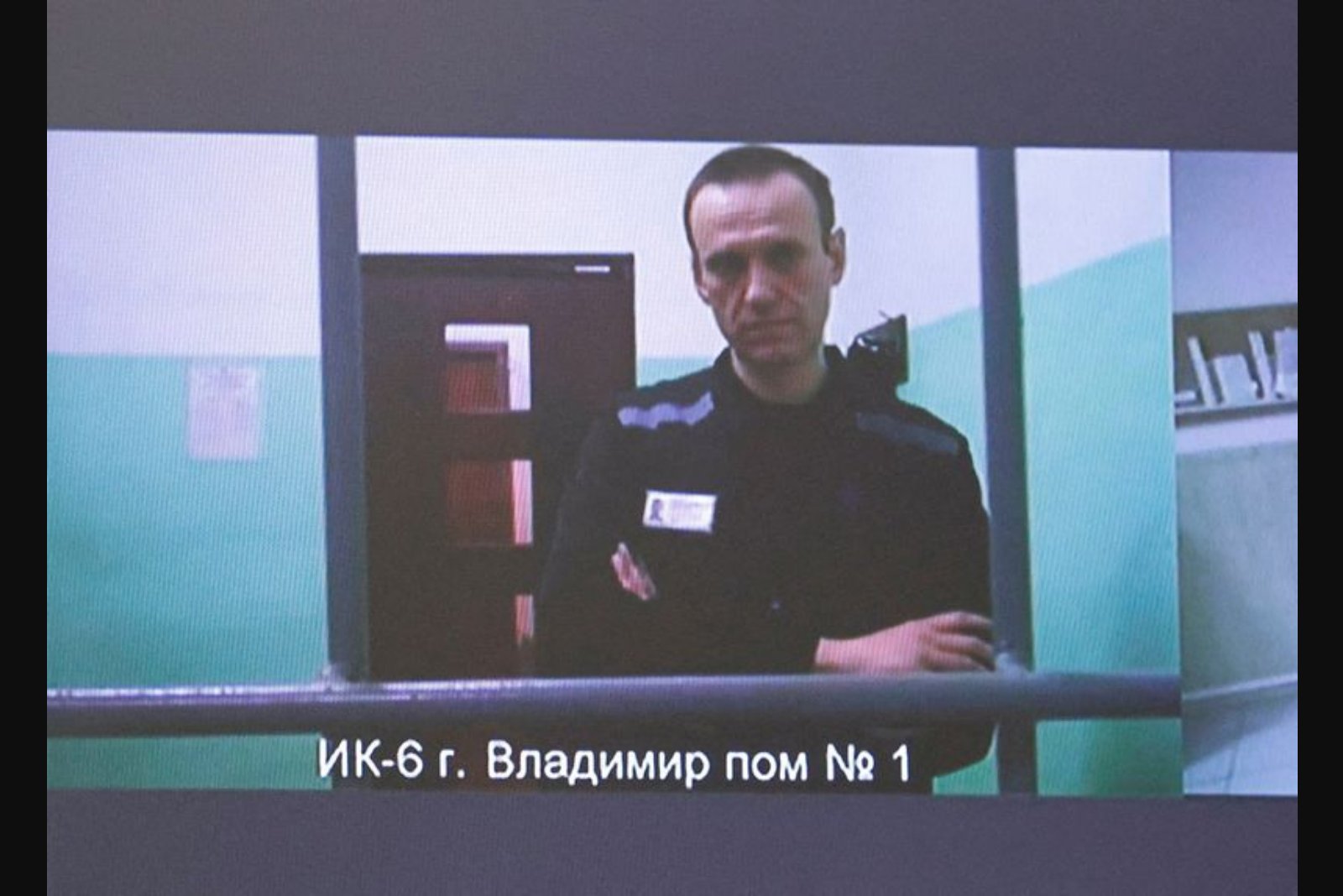
Five European governments on Saturday accused Russian authorities of killing the late Kremlin critic Alexei Navalny by administering a toxin derived from poison dart frogs while he was held in an Arctic penal colony two years ago. The governments - Britain, France, Germany, Sweden and the Netherlands - said testing of samples from Navalny's body "conclusively" identified epibatidine, a toxin found in South American poison dart frogs and not naturally occurring in Russia, and that the toxicity and reported symptoms made poisoning highly likely.
Official findings and the response
In a joint statement, the five countries said their analyses established the presence of epibatidine and pointed to Moscow's capacity and opportunity to carry out the poisoning given Navalny's death in prison. The statement said that "Russia claimed that Navalny died of natural causes. But given the toxicity of epibatidine and reported symptoms, poisoning was highly likely the cause of his death."
Russia rejected the allegations. The Russian government dismissed the announcement as "a Western propaganda hoax," according to the TASS news agency. The Russian embassy in London commented rhetorically: "One must ask what kind of person would believe this nonsense about a frog." A Russian embassy spokesperson added that the European statement was "not a quest for justice but a mockery of the dead," and criticised London and other capitals for what the spokesperson said were attempts to prevent Navalny from being allowed to rest in peace.
British role and limited disclosure
Britain said the detection of the toxin formed part of an "alarming pattern of behaviour" and that UK scientists had worked with European partners to "pursue the truth" about Navalny's death. However, the British government declined to answer a Reuters query about how samples from Navalny's body were obtained or where the tests were carried out.
Maria Zakharova, a spokesperson for the Russian Foreign Ministry, said, "When the test results are available and the formulas for the substances are disclosed, we will comment accordingly." She also told TASS: "Until then, all such assertions are merely propaganda aimed at diverting attention from pressing Western issues." The report quoted her as describing Navalny as a blogger "officially designated as a terrorist and extremist in Russia."
Family reaction and international response
Navalny's widow, Yulia Navalnaya, welcomed the findings and said she had been convinced from the start that her husband had been poisoned. Speaking from the Munich Security Conference, she wrote on social media that she was "grateful to the European states for the meticulous work they carried out over two years and for uncovering the truth." The conference had adjusted its schedule so she could speak after Navalny's death was announced minutes before the conference opened in 2024.
Following Navalny's death in February 2024, memorial gatherings and protests were held across Europe in cities including London, Berlin, Vilnius and Rome, the joint statement noted, with demonstrators condemning the Kremlin and demanding accountability.
Legal and diplomatic implications
The five governments said the new findings highlighted the need for Russia to be held to account for what they described as repeated violations of the Chemical Weapons Convention and, in this instance, the Biological and Toxin Weapons Convention. The joint statement said the evidence underlined Moscow's means, motive and opportunity to have administered the toxin while Navalny was in custody.
Context of Navalny's imprisonment and death
Navalny, an opposition figure, died in an Arctic prison colony in February 2024 after being convicted on charges including extremism, which he denied. The European allies' announcement came almost exactly two years after his death.
Points of contention and outstanding questions
Russian officials have maintained that Navalny's death resulted from natural causes. The European finding that epibatidine was present in his body is counter to that account, but details about the chain of custody for the samples and the locations of laboratory testing were not provided publicly by Britain or the other governments involved. Moscow has demanded full disclosure of the test results and chemical formulas before offering substantive comment.
Reactions summarized
European statement: "Russia claimed that Navalny died of natural causes. But given the toxicity of epibatidine and reported symptoms, poisoning was highly likely the cause of his death."
Russian government response: "a Western propaganda hoax."
Russian embassy in London: "One must ask what kind of person would believe this nonsense about a frog."
Maria Zakharova: "When the test results are available and the formulas for the substances are disclosed, we will comment accordingly."
Yulia Navalnaya: "I was certain from the first day that my husband had been poisoned, but now there is proof ... I am grateful to the European states for the meticulous work they carried out over two years and for uncovering the truth."
Conclusion
The publication of the laboratory findings by the five European states has intensified diplomatic disagreement over the circumstances surrounding Navalny's death. The announcement has produced strong reactions from Moscow and amplified calls for accountability under international conventions addressing chemical and biological toxins, while raising unanswered questions about sample handling and the disclosure of detailed test data.