
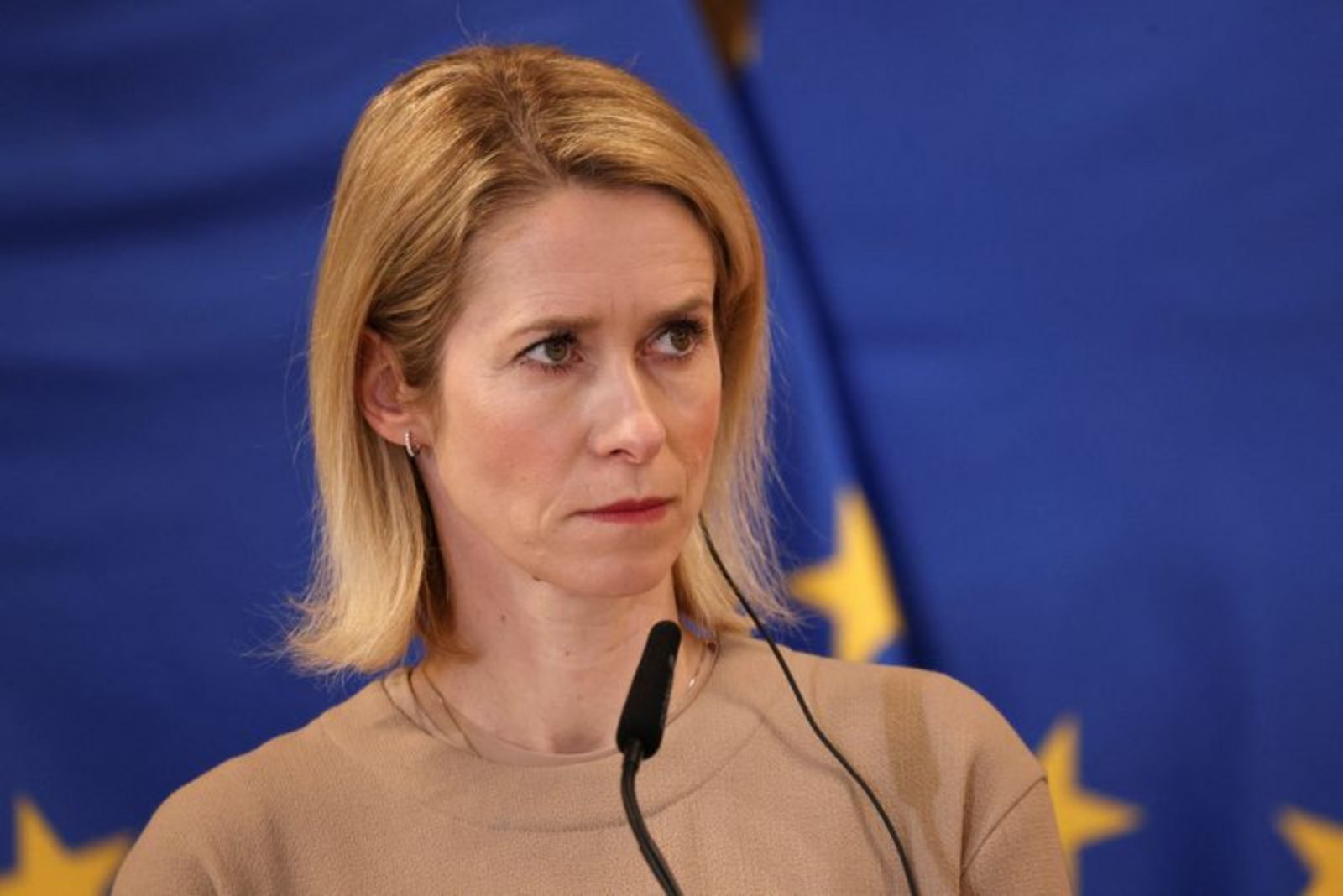
EU foreign policy chief Kaja Kallas released a joint statement on behalf of the bloc’s 27 nations calling for "maximum restraint, protection of civilians and full respect of international law, including the principles of the United Nations Charter, and international humanitarian law." The statement followed an emergency video conference of EU foreign ministers convened after a round of military strikes involving the United States, Israel and Iran.
The ministers met after the United States and Israel launched strikes on Iran and Tehran retaliated with strikes on Israel, U.S. forces and Gulf countries. In its joint text, the EU condemned Iran’s actions and stressed that "Iran’s attacks and violation of sovereignty of a number of countries in the region are inexcusable. Iran must refrain from indiscriminate military strikes."
Beyond the immediate security message, the EU statement explicitly reflected economic concerns. It warned that the conflict "must not lead to an escalation that could threaten the Middle East, Europe and beyond, with unpredictable consequences, also in the economic sphere." The text singled out the potential for disruptions to oil deliveries and supply chains and added that "the disruption of critical waterways, like the Strait of Hormuz, must be avoided."
The wording of the statement emerged as a compromise reflecting diverse opinions within the European Union - a bloc that represents some 450 million Europeans - about the recent military action carried out by U.S. President Donald Trump and Israeli Prime Minister Benjamin Netanyahu. Member states voiced differing views in public remarks following the conference.
German Chancellor Friedrich Merz said on Sunday that now was not the time to lecture partners and allies. By contrast, Spanish Prime Minister Pedro Sanchez publicly "rejected" the U.S. and Israeli action, saying it "contributes to a more uncertain and hostile international order."
Diplomats working behind the scenes described a limited range of options for Europe. One Western European official told colleagues, "Not too many options, I am afraid. Certainly not short-term." An EU diplomat added bluntly, "Europeans are just bystanders, nobody has leverage with Trump." These assessments underline the sense among some officials that European influence over the immediate trajectory of the conflict is constrained, even as the continent faces potential spillovers.
The EU’s unified language sought to balance calls for respect for international law and civilian protection with palpable anxiety about economic and logistical fallout. The statement combined a legal and humanitarian appeal with a clear concern for stability in energy markets and global supply chains, while acknowledging the political fault lines that complicated a more forceful, unanimous position.
Summary
The EU’s 27 members called for maximum restraint and full respect for international law after strikes by the United States and Israel on Iran and Iran’s subsequent strikes. The statement highlighted risks to civilians, sovereignty violations, economic disruption to oil and supply chains, and the need to avoid disruption of critical waterways like the Strait of Hormuz. Member states expressed differing views, and diplomats said Europe has limited leverage over the conflict.