
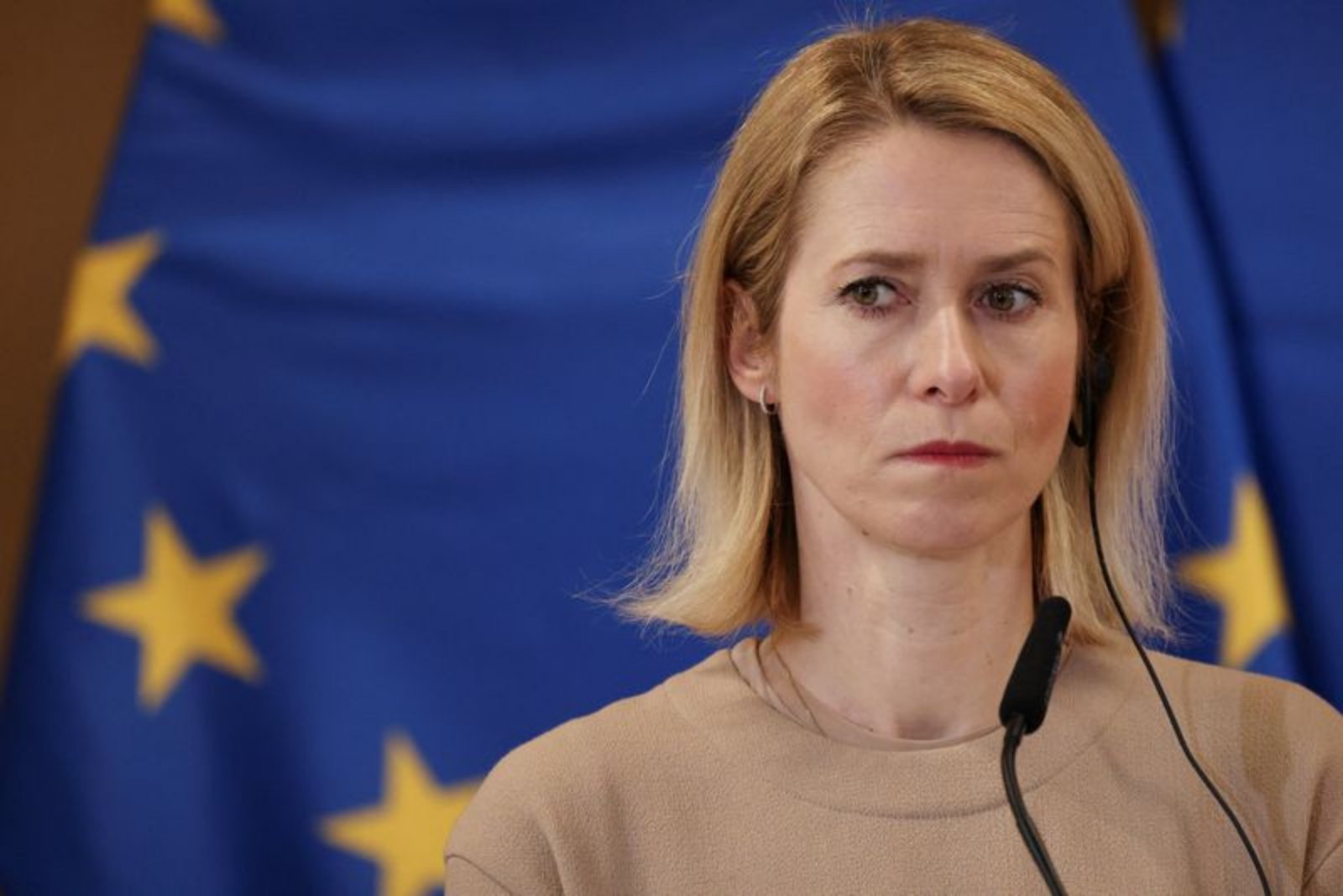
European Union foreign policy chief Kaja Kallas stated on Sunday that the death of Iran's Supreme Leader Ayatollah Ali Khamenei marks "a defining moment in Iran's history." Posting on the social media platform X, Kallas said the immediate future is unclear but that the development creates "an open path to a different Iran, one that its people may have greater freedom to shape."
Kallas added that she is in touch with international partners, specifying those in the region who "bear the brunt of Iran's military actions," as she seeks "practical steps for de-escalation." Her comments emphasize an EU effort to coordinate a response with countries directly affected by recent hostilities.
Iranian state media announced on Saturday that Khamenei was killed in air strikes carried out by Israeli and U.S. forces, which the reports said effectively pulverised his central Tehran compound. The announcement and the description of the attack were included in official Iranian reporting.
European Commission President Ursula von der Leyen also commented on the developments on Sunday. She said she had spoken with Jordan's King Abdullah and stated that Europe stands "in full solidarity" with Jordan following Iranian strikes. Von der Leyen reiterated a cautious optimism for the people of Iran while warning of the dangers ahead.
"With Khamenei gone, there is renewed hope for the people of Iran. We must ensure that the future is theirs to claim and shape," Von der Leyen said on X. "At the same time, this moment carries a real risk of instability that could push the region into a spiral of violence."
The statements from senior EU officials blend an acknowledgement of potential political change inside Iran with a clear concern about the near-term security implications for the broader region. Kallas's reference to working with partners that have experienced the effects of Iran's military actions and von der Leyen's expression of solidarity with Jordan underline the immediate diplomatic and security focus of EU engagement.
EU leaders have signaled an intention to pursue coordinated, practical measures aimed at calming tensions. At the same time, both Kallas's and von der Leyen's remarks stress uncertainty about the course ahead and the need to guard against a wider escalation that could have serious regional consequences.
As Brussels engages with regional and international partners, the EU's public statements convey simultaneous hopes for a future in which Iranians may exert greater agency and a recognition of the significant risks that remain.