
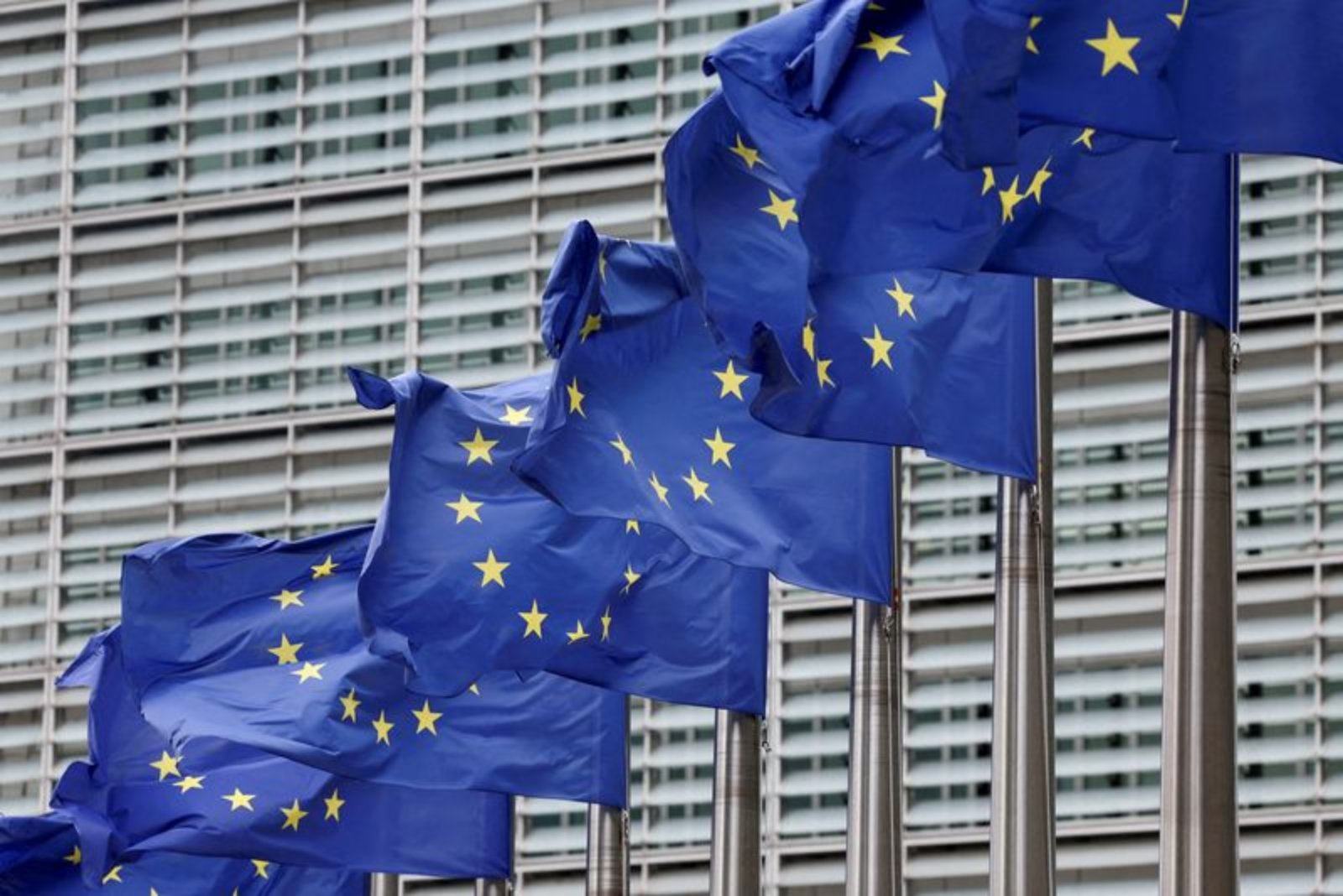
BRUSSELS - The European Commission on Sunday pressed the United States to comply with the terms of the EU-U.S. trade arrangement agreed last year, seeking immediate clarification after a U.S. Supreme Court decision removed a legal basis for a set of global tariffs and Washington put in place new blanket levies.
The Commission, which conducts trade negotiations on behalf of the European Union's 27 member states, said the United States must provide "full clarity" on the measures it intends to implement in the wake of the court ruling.
The sequence of events began when the Supreme Court struck down the global tariff framework put forward by former President Donald Trump. In response, the U.S. administration first announced temporary, across-the-board tariffs of 10%, and then increased that rate to 15% a day later.
The Commission warned that the recent developments are at odds with the objective of the joint statement that set out last year’s deal, which both sides described as "fair, balanced, and mutually beneficial" for transatlantic trade and investment. "A deal is a deal," the executive said.
These comments represented a firmer stance than the Commission's initial reaction on the day of the court decision, which only noted that Brussels was studying the ruling and maintaining contact with the U.S. administration.
Under the agreement reached last year, the United States established a 15% tariff rate for most EU goods, with exceptions for products already subject to separate sectoral levies such as steel. The pact also permitted zero tariffs on certain items, including aircraft and spare parts. In exchange, the EU removed import duties on a range of U.S. products and dropped plans for retaliatory higher tariffs.
The Commission stressed the importance of preserving the agreed terms, saying: "In particular, EU products must continue to benefit from the most competitive treatment, with no increases in tariffs beyond the clear and all-inclusive ceiling previously agreed." It added that unpredictable tariffs are disruptive and undermine confidence across global markets.
On Saturday, EU Trade Commissioner Maros Sefcovic held discussions about the matter with U.S. Trade Representative Jamieson Greer and Commerce Secretary Howard Lutnick, the Commission said.
Context and implications
While the Commission did not outline specific next steps, it underlined that unilateral increases in duties would conflict with the mutually agreed ceiling established under last year’s pact. The contrast between the Commission's initial, measured response and the stronger statement issued on Sunday highlights the EU's concern about maintaining predictability for exporters and investors.
The Commission reiterated its call for clarity from Washington as businesses and markets seek to understand the immediate impact of the revised U.S. tariff posture.