
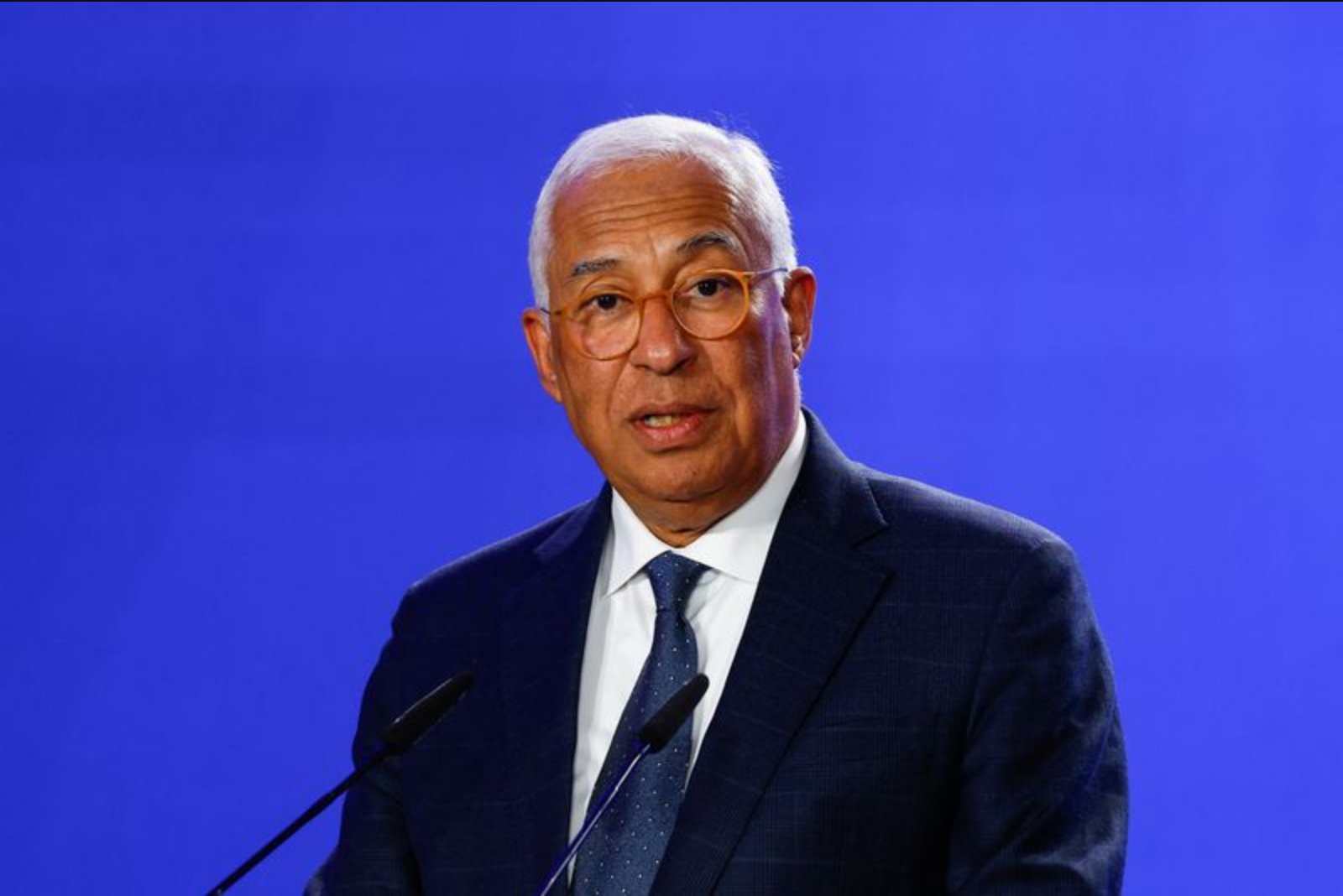
BRUSSELS, March 10 - Russia has been the primary beneficiary so far from the war in the Middle East, according to the EU Council President. Addressing EU ambassadors in Brussels, he argued that a combination of rising energy prices, the redirection of military capabilities and a diminished focus on Ukraine have worked to Moscow's advantage.
In his remarks, the EU Council President said that the conflict in the Middle East has allowed Russia to "gain new resources to finance its war against Ukraine as energy prices rise." He added that Moscow also "profits from the diversion of military capabilities that could otherwise have been sent to support Ukraine," and that it "benefits from reduced attention to the Ukrainian front as the conflict in the Middle East takes centre stage."
Beyond identifying who is benefiting, the EU Council President emphasized the broader geopolitical stakes. He called for robust action by the European Union to uphold the international rules-based order, saying that order is being challenged and highlighting the need for collective defence of those principles. He also urged all parties involved in the Middle East to return to the negotiating table to halt further deterioration.
"Freedom and human rights cannot be achieved through bombs. Only international law upholds them," he said, stressing that escalation must be avoided.
The president warned that opting for further escalation would present a threat not only to the Middle East but also to Europe and beyond. His comments linked the immediate humanitarian and security concerns in the region with wider implications for international stability and resource flows.
His speech placed particular emphasis on the interplay between energy market dynamics and military priorities, suggesting that higher energy prices can indirectly fund one conflict while deprioritizing another. He argued that this dynamic creates strategic advantages for actors that can exploit elevated energy revenues and a distracted international audience.
Concluding his address to ambassadors, he reiterated the need for diplomacy and the protection of international legal norms as the only sustainable path to safeguard freedom and human rights without resorting to further military escalation.
Location and context: The remarks were delivered in Brussels on March 10 to EU ambassadors. The speaker framed the Middle East conflict as having immediate financial and military consequences that extend to the situation in Ukraine and to European security.