
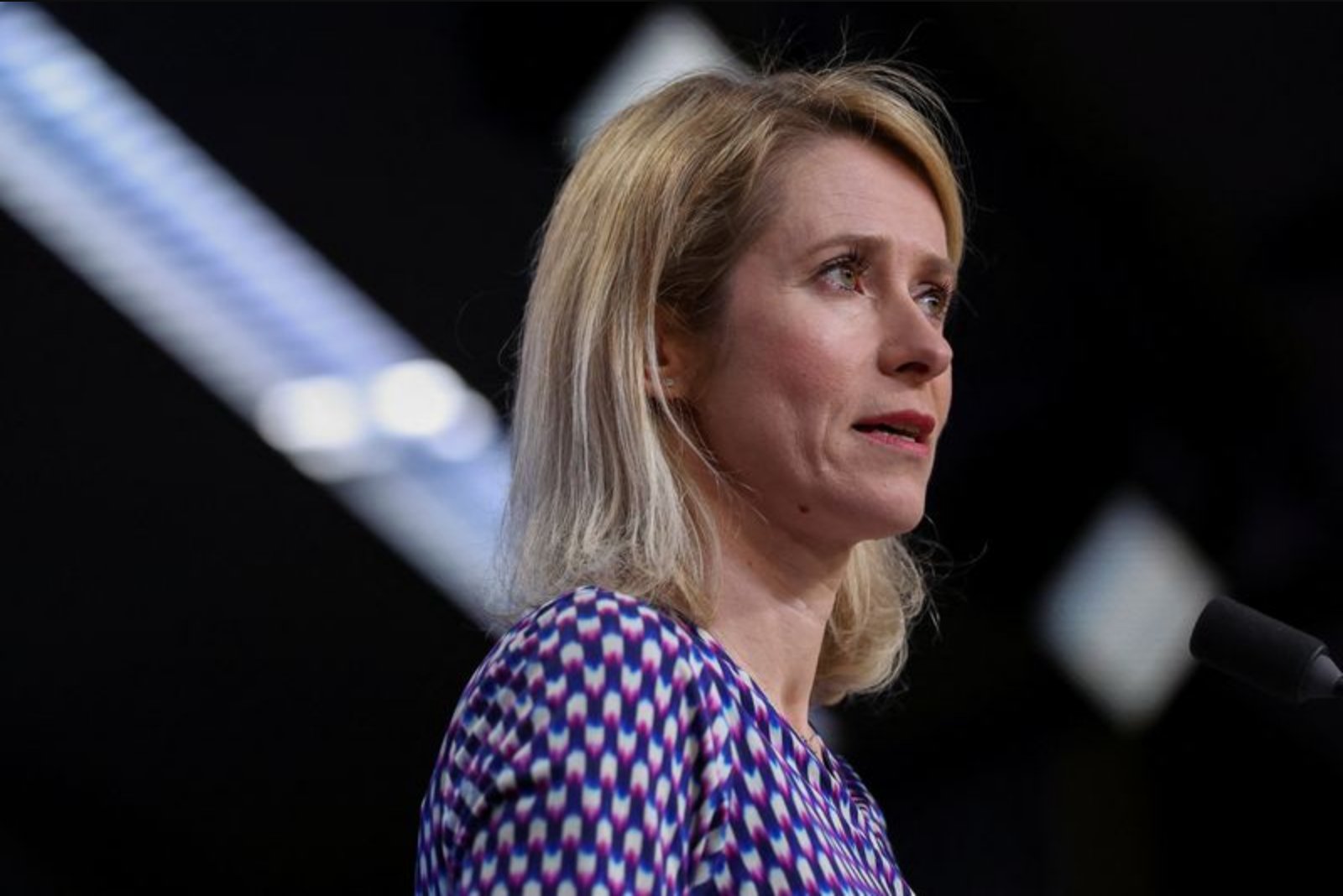
BRUSSELS, March 17 - The European Union has started to factor in the United States' unpredictable behavior one year after President Donald Trump returned to the White House, EU foreign policy chief Kaja Kallas said on Tuesday.
"Of course, we are allies with America, but we don’t really understand their moves recently," Kallas said in an interview. "I think it is pretty clear after this one year that the word that we have to take into account is unpredictability. So we are now more calm because we are expecting the unpredictable things to happen all the time, and take it as it is, put some ice in our hats and be calm and stay focused," she added.
Kallas framed the shift as an operational adjustment rather than a change in the underlying alliance. According to her remarks, Brussels has incorporated a heightened expectation of unexpected U.S. actions into its planning and posture. The result, she said, is a more measured reaction to developments originating in Washington, with an emphasis on remaining composed and attentive to the evolving situation.
The foreign policy chief's comments underline a recalibration in approach: by anticipating that unpredictable moves may occur, the EU intends to avoid being caught off guard and instead keep attention on its policy priorities while maintaining a composed stance.
Context and interpretation
Kallas' remarks stressed two points: the continued alliance between the EU and the United States, and the difficulty European officials have had in interpreting recent U.S. actions. That combination, she said, has led Brussels to place unpredictability explicitly on its list of operational variables, and to respond by seeking steadiness and focus.
She described the adjustment in tone as an effort to "put some ice in our hats" - a metaphor she used to convey cooling immediate reactions in favor of steadier attention.
Takeaway
- The EU is incorporating an expectation of unpredictability in U.S. policy into its strategic calculations.
- Brussels aims to respond with calm and sustained focus rather than immediate emotional reactions when unexpected developments arise.
- The change is framed as an operational adaptation, not a departure from the alliance with the United States.