
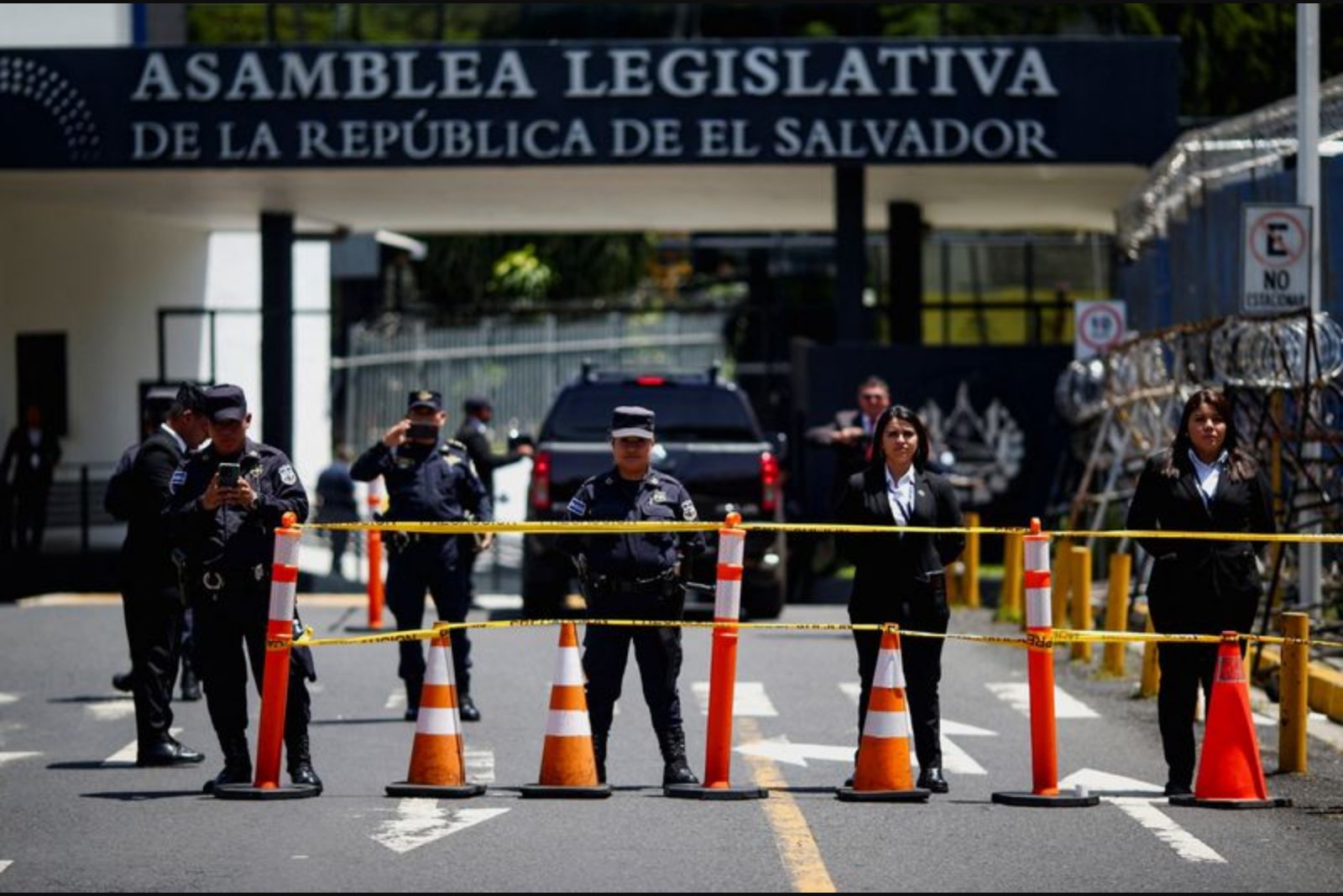
El Salvador’s Congress on Tuesday approved a constitutional amendment that authorizes life sentences for crimes such as murder, rape and terrorism as the administration pursues a sustained campaign against criminal gangs. The measure passed with the support of 59 lawmakers, while one lawmaker voted against it.
Prior to the change, Salvadoran courts could hand down sentences that exceeded 100 years, but the law capped the actual time an individual could serve at 60 years. The constitutional amendment removes that cap, enabling life terms for the listed offenses.
President Nayib Bukele publicly endorsed the reform ahead of the congressional vote. "We will see who supports this reform and who will dare to argue that the constitution should continue to prohibit murderers and rapists from remaining in prison," he wrote on social media before Congress passed the amendment.
The amendment arrives a week after a group of international lawyers said that there are "reasonable grounds" to believe that crimes against humanity have been committed during the country’s controversial state of exception, which the government of President Nayib Bukele imposed four years ago. The state of exception has allowed security forces to detain more than 90,000 people. Approximately 500 of those detainees have died in state custody.
The constitutional change shifts the legal framework for sentencing in El Salvador and comes amid a broader policy context of expanded detention powers and intense measures against organized crime. Lawmakers and government officials framed the amendment as a tightening of penalties for the most serious offenses, while the international legal assessment and reported deaths in custody highlight ongoing concern about the implementation of the state of exception.
The vote count, the presidential social media statement, the prior statutory cap on time served, and the international lawyers' statement about possible crimes against humanity were central elements reported in connection with the amendment. The detention figures and the number of deaths in custody were also cited as part of the recent scrutiny surrounding El Salvador’s security measures.
For readers: The article reports the congressional vote, the president's public comment, the prior 60-year cap on time served despite longer judicial sentences, and the international lawyers' assessment and detention and death figures linked to the state of exception.