
Anger and grief swept through El Alto on Friday evening after a Bolivian Air Force Hercules transport aircraft crashed in the densely populated city, scattering banknotes on the ground and igniting clashes between residents and security forces.
Authorities confirmed the crash killed 22 people and injured 30, including four children. The plane's first pilot remained in intensive care on Saturday, officials said. Only nine bodies had been identified so far, police chief Mirko Sokol said, noting many victims were too disfigured to be immediately recognized.
Vice Interior Minister Hernan Paredes described how roughly 3,000 people arrived at the wreckage shortly after the accident, "with a tremendously aggressive attitude wielding sticks and stones" to collect the banknotes strewn across the scene. Security forces responded with tear gas and arrested 49 people on charges of vandalism, he added.
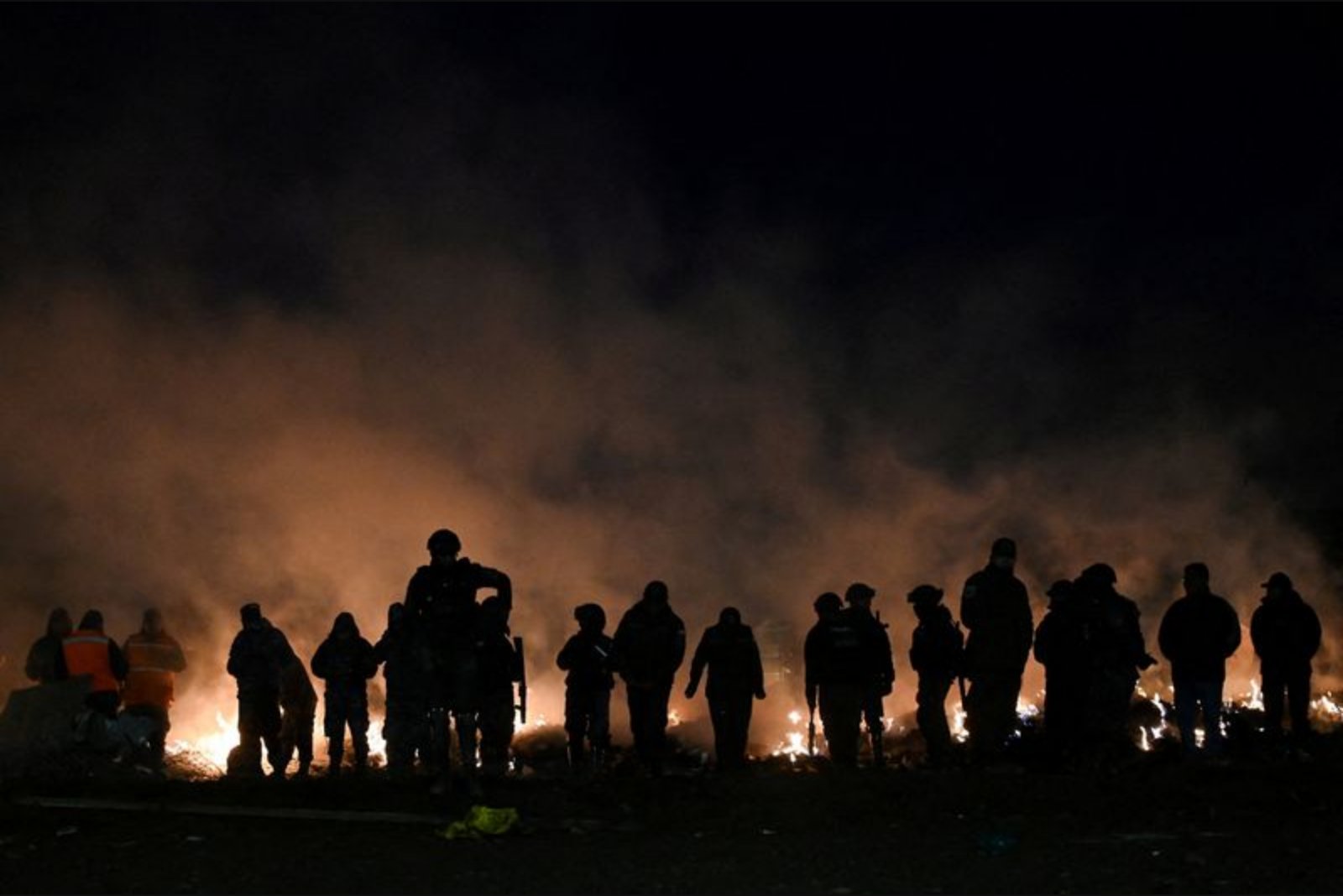
Authorities said the aircraft was carrying 18 tons of banknotes that were intended to replace older currency. Officials maintained the bills had no legal value and that possession of them constituted a crime. In response, they began burning the notes recovered from the crash site, a decision that provoked public outrage in a city where many residents face economic hardship.
"Look at all the money they burned, there are poor families that need that money," said local resident Marcelino Poma. "We need to rise up in El Alto. They took our gasoline subsidy, they hurt our household budgets, now they’re taking all the money out of the country."
Small groups continued to protest into Saturday, expressing anger at the destruction of the currency and at government actions more broadly. Family members and neighbors of victims called for accountability and better safety practices from the authorities and armed forces.
"We are in shock," said Cesar Mamani, a relative of one of those killed, who demanded justice and criticized what he described as a lack of safety measures by the government and the armed forces.
Paredes said the aircraft narrowly avoided a far larger catastrophe. According to his account, the pilots executed a quick turn that prevented the plane from crashing into a block of about 40 two- and four-storey buildings located only a few meters away.
President Rodrigo Paz described the incident as a "day of great sorrow for El Alto and the nation" and said an investigation into the crash was under way. Authorities continued searching for the aircraft's black box on Saturday.
El Alto is one of Bolivia's poorest and fastest-growing major cities. It emerged as migrants moved toward La Paz seeking work late in the 20th century and many residents now live above the capital; daily commutes for some include travel by cable car. The city's density and economic conditions shaped the intense reaction to both the crash and the subsequent burning of the banknotes.
As investigations proceed, officials face local backlash over the handling of the recovered currency and broader questions about aviation safety and emergency response in a city already dealing with economic strain.