
Overview
Ecuador’s prison system recorded a marked uptick in inmate deaths in 2025, according to data provided to Reuters through a freedom-of-information request to the Interior Ministry. The figures show 1,220 fatalities among inmates last year - a sharp increase driven by both lethal violence and deaths attributed to natural causes amid a tuberculosis outbreak and other health problems.
Of those 1,220 deaths, at least 206 were recorded as killings arising from gang clashes and other violent incidents, up from 46 in the prior year. The number of violence-related fatalities in 2025 was the highest since 2021, when 328 inmates died. The remainder of last year’s deaths were categorized as illness, suicide and other undetermined causes - an increase the government’s data describes as a 256% rise compared with the 285 deaths recorded in 2024.
Government response and official statements
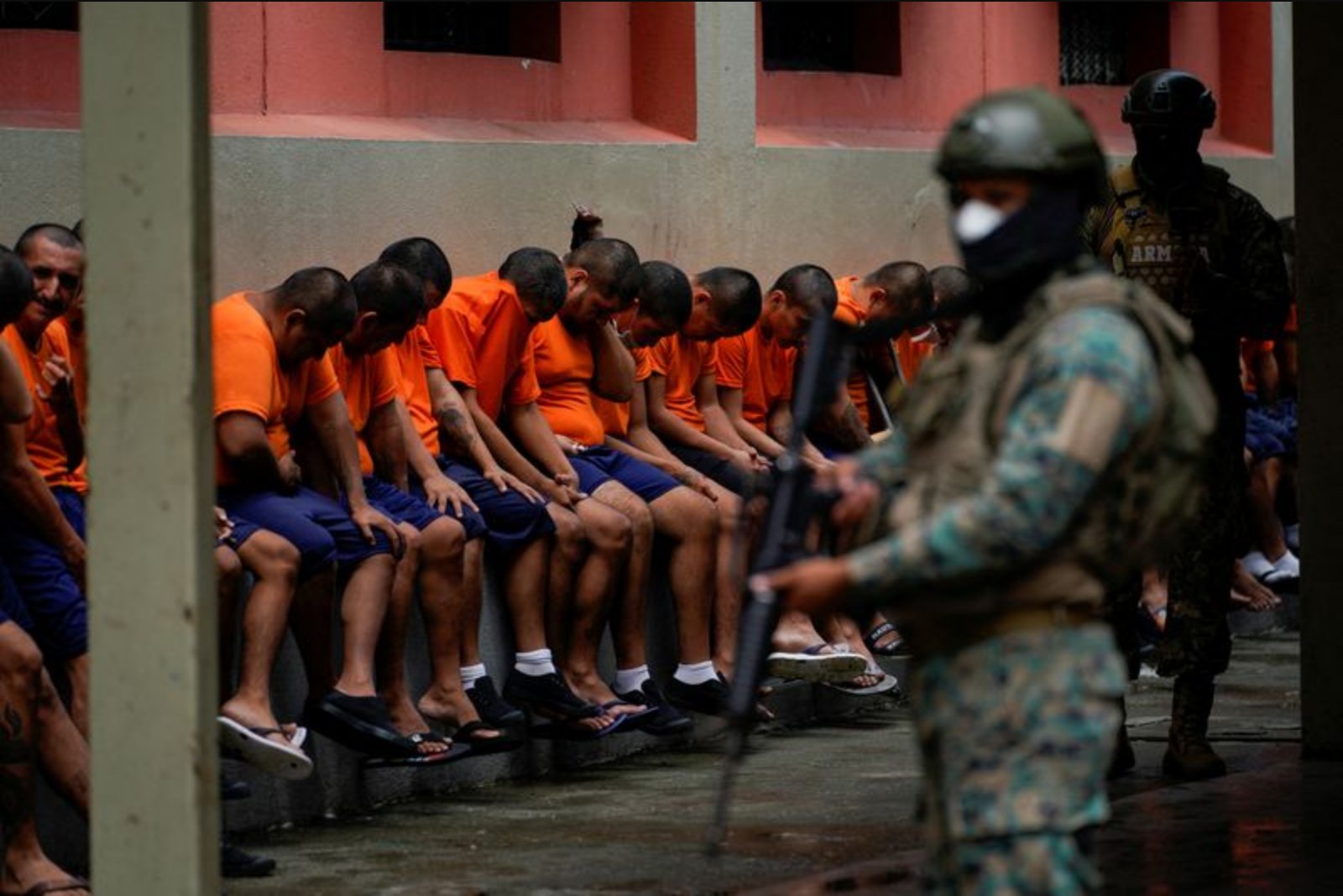
Restoring control of the prison system has been a centerpiece of President Daniel Noboa’s security agenda since he took office in 2023, following deadly riots that devastated jails in 2021 and 2022. The administration has implemented a series of measures, including placing military personnel in charge of certain penitentiaries, constructing new high-security facilities and transferring high-profile inmates between sites.
The government maintains these actions have reduced violence compared with earlier years. In response to the freedom-of-information request, the Interior Ministry cautioned that raw figures could produce "distorted perceptions of institutional management" if viewed "without proper technical context," while declining to provide an explanation of that technical context when asked separately.
Neither the president’s office nor the state prison authority SNAI replied to requests for comment about the increase in deaths recorded in 2025.
Health conditions, overcrowding and tuberculosis
Authorities acknowledge overcrowding and say they are addressing health issues with screenings and medical care. Still, the figures released to Reuters point to a worsening humanitarian situation inside many facilities. The Interior Minister, John Reimberg, has linked a tuberculosis outbreak to overcrowding but did not elaborate on the outbreak’s origins or provide detailed infection data in response to questions.
Official statistics cited by the government show adult prisons had an overcrowding rate of 30.6% last year. Juvenile facilities, which were reported as not overcrowded in 2024, reached 15.3% overcrowding in 2025. The national inmate population rose 7.6% last year, to 35,454 prisoners, a change the government attributes to higher arrest rates and longer sentences. Officials say many cells are unusable due to riot damage, forcing inmates to be housed in fewer available spaces.
At the Litoral Penitentiary, the Inter-American Commission on Human Rights asked Ecuador in December to improve conditions for its roughly 7,000 inmates after a government report documented 564 deaths there from January to September 2025, including 550 classified as natural or undetermined. The government has tied the outbreak at Litoral to overcrowding, but has not provided infection counts or further data.
Relatives and rights groups describe worsening conditions
Relatives of inmates and human rights organizations reported to Reuters that overcrowding, insufficient medical care, poor food and alleged mistreatment by military personnel have worsened conditions. Six relatives interviewed described intensified hardships under military oversight, including aggressive cell searches that destroy personal possessions and curtailed access to items.
"Many times these are not riots - these are inmates raising their voices because they are dying or in agony," said Ana Morales, an activist coordinator for relatives whose son is held at Litoral Penitentiary. She and others said extreme restrictions imposed during the military intervention have compounded health problems and broken family access.
Stefany Salinas, whose husband is detained at El Rodeo prison in Manabi, said she witnessed an increase in tuberculosis cases and alleged "military abuse." "We oppose mistreatment - they break everything, they throw away personal belongings," she said. The SNAI and the defense ministry declined to comment on those accusations.
Rodrigo Varela, secretary general of Ecuador’s official human rights ombudsman, said his office is seeing what it describes as a confluence of crises inside prisons. "We are now facing a health crisis, a food crisis, and complaints from relatives about alleged mistreatment and torture by military personnel," Varela said. His office has referred several complaints to the prosecutor’s office.
Security measures, transfers and new facilities
To break gang control of particular facilities, the government began transferring hundreds of inmates in late 2025 and continued with large-scale relocations in January, when SNAI reported roughly 900 transfers. High-risk prisoners, including gang leaders and former vice president Jorge Glas - convicted of corruption - were moved to El Encuentro, a newly built maximum-security prison with capacity for 800.
El Encuentro has strict rules: the government has said it permits no visits by lawyers or relatives and mixes members of different gangs together, holding inmates four to a cell. Interior Minister Reimberg told television channel Ecuavisa that prisoners are not allowed pillows because they can be used as weapons.
The administration has promoted El Encuentro as a model and is planning a much larger facility meant to house more than 15,000 inmates, with completion scheduled for 2027. Officials say the new facilities are intended to better handle violent offenders and reduce the space pressures that contribute to health and security problems.
Context of violence and institutional claims
Fatal prison riots were frequent in 2021 and 2022, a period when jails mirrored a wider surge in drug-related violence across the country. Noboa has cast the campaign to control prisons as essential to his broader strategy against drug trafficking and organized crime. His government says military interventions have dismantled criminal operations within prisons, including drug shipments, extortion schemes and planning for attacks against officials, and that they have eliminated luxury facilities once used by gang leaders, such as nightclubs and a private pool.
Despite those claims, the human toll and health indicators revealed by the government’s own numbers have prompted continued scrutiny from rights bodies and relatives of inmates. The Inter-American Commission on Human Rights specifically requested improvements at Litoral earlier this winter, drawing attention to the high number of deaths recorded there during the first nine months of 2025.
What the data does and does not show
The tabulated figures show a marked increase in both violence-related and nonviolent deaths in 2025, but the Interior Ministry has declined to provide further technical analysis that it says would prevent "distorted perceptions." The ministry did not respond to a separate request asking it to explain what that technical context would be.
At present, government statements and the released death totals coexist with reports from relatives and human rights officials describing overcrowding, disease outbreaks and alleged mistreatment. Together they paint a picture of a penal system under strain even as the state pursues a militarized approach to inmate control and invests in new detention facilities.
Immediate facts
- 1,220 inmate deaths recorded in 2025.
- At least 206 of those deaths were attributed to violence, up from 46 in 2024.
- 2025 violence-related deaths were the highest since 2021, when 328 inmates died.
- Other deaths in 2025 - from illness, suicide or undetermined causes - increased 256% from 285 in 2024.
- National inmate population rose 7.6% to 35,454 in 2025.
- Reported adult prison overcrowding: 30.6%; juvenile overcrowding: 15.3% in 2025.
- Government report lists 564 deaths at Litoral Penitentiary from January to September 2025, of which 550 were natural or undetermined.
- El Encuentro maximum-security prison capacity: 800; planned new facility capacity: more than 15,000, due 2027.
- Roughly 900 inmate transfers took place in January 2026; hundreds of transfers occurred in late 2025.
This article is based on official figures provided to the Interior Ministry and statements from government officials, relatives of inmates, human rights representatives and published government reports. Where ministries and agencies declined to comment, that is noted in the text.