
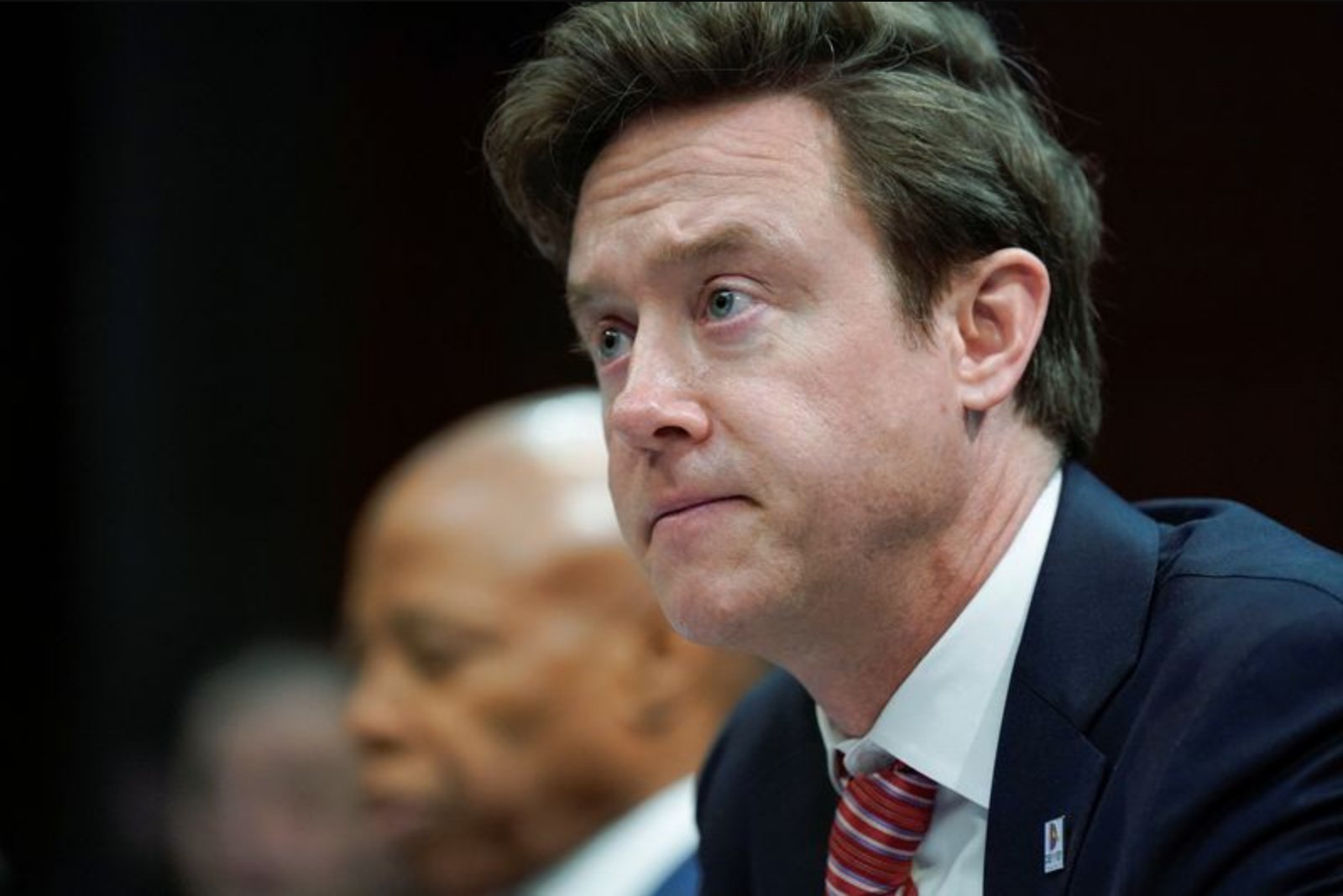
Denver Mayor Mike Johnston on Thursday signed an order that bars U.S. Immigration and Customs Enforcement from staging operations on city-owned property and authorizes Denver law enforcement to shield peaceful protestors from federal immigration enforcement activities.
The directive instructs the city’s police to act in the face of civil immigration enforcement operations - including scenarios involving an influx of ICE agents - by relying on established de-escalation procedures to protect peaceful demonstrators and to safeguard public health, safety, and free speech rights.
Johnston described a standard he said will apply equally to federal agents and local officers. "If we see any ICE officer using excessive force against a Denver resident, we will step in to detain that officer and remove them from the situation," he said at a news conference announcing the order. "We hold our own officers to that standard, and we will hold any ICE agent to the same," he added.
The measure follows similar actions by other Democratic mayors and governors in response to a federal immigration enforcement campaign. Minneapolis Mayor Jacob Frey earlier signed an order that prevents agencies from using any city-owned parking lots, ramps, garages, or vacant lots to stage immigration enforcement operations.
Officials in the White House pushed back against such local measures. White House spokeswoman Abigail Jackson said in a statement cited by Politico that local officials should coordinate with ICE rather than oppose it, adding: "Anyone doing otherwise is simply doing the bidding of criminal illegal aliens."
The administration has framed its enforcement efforts as aimed at reducing illegal immigration and enhancing domestic security. It has also threatened to withhold federal funding from cities and states that do not align with its policies.
Advocates for civil rights have criticized the federal crackdown, saying it has fostered an environment of fear among both citizens and immigrants and has raised concerns about violations of due process and free speech rights.
Context and immediate effects
Johnston’s order directs local law enforcement to prioritize de-escalation and the preservation of constitutional rights during any civil immigration enforcement activity that involves increased federal presence. The directive also explicitly bans the use of city property by ICE to carry out operations.
Officials in other Democratic-led municipalities have enacted comparable restrictions on federal enforcement staging areas, highlighting a pattern of local responses to recent federal immigration actions.
Implications for local-federal relations
The order underscores a growing tension between municipal authorities in Democratic jurisdictions and federal immigration agencies. The White House response emphasizes an expectation that local governments work in cooperation with federal enforcement rather than impose local limitations.
The debate centers on balancing federal immigration enforcement priorities and local commitments to protect protesters and community members from what local leaders and rights groups describe as heavy-handed tactics.