
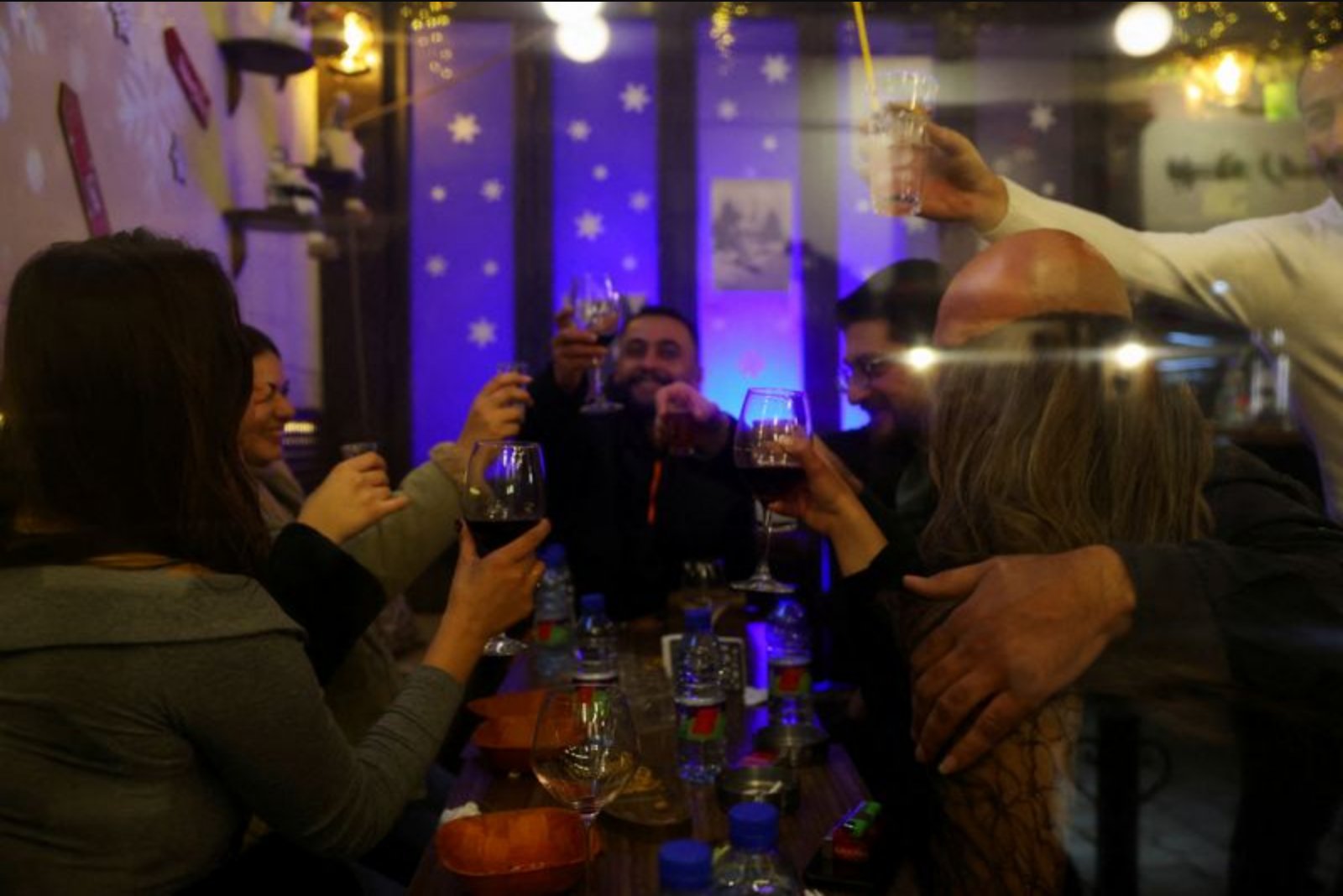
Syrian authorities in Damascus have ordered a ban on the sale of alcoholic drinks in restaurants and bars, issuing a decree that marks a clear step toward enforcing more conservative social practices under the Islamist-led government that came to power after Ahmed al-Sharaa toppled Bashar al-Assad 15 months ago.
The decree, announced by the Damascus governorate on Monday evening, requires owners of nightclubs and bars to convert their licences into café licences. It limits the sale of alcoholic beverages to sealed bottles sold for takeaway and only permits such sales in areas that are predominantly Christian.
Key operational rules set out in the decree include:
- Conversion of nightclub and bar licences into café licences.
- Sale of alcohol restricted to sealed bottles for takeaway in predominantly Christian areas only.
- Any business selling alcohol must be located at least 75 metres away from places of worship and schools.
- Alcohol-selling outlets must be at least 20 metres from security facilities.
- Bar owners are granted a three-month period to bring their establishments into compliance.
One Damascus bar owner said he would close his business rather than convert it into a non-alcohol-serving restaurant or café. The owner, who asked not to be identified citing fear of potential harassment, said he had anticipated such a decree and pointed to a sharp fall in customer numbers since the Islamist-led government took control.
He added that the establishment’s clientele did not come for items such as pizza or shisha and so he saw little point in converting to a dry operation.
Many restaurants had already altered how they offered alcoholic drinks or stopped serving them altogether after rebels led by Sharaa defeated Assad in December 2024, following 13 years of civil war. Some venues removed beer and wine from their menus, while others began serving alcoholic drinks in tea glasses to reduce visibility.
Authorities have also moved to enforce religious observance more strictly during the Islamic fasting month of Ramadan. An employee in the Salamiyah area of Hama was arrested for breaking her fast early; the public prosecutor charged her with "violating public morals", according to a statement. In addition, employees of a bakery near Damascus were dismissed by the local council for the same reason.
Sharaa has publicly sought to reassure Syrians that their rights and freedoms remain protected. In his address to the U.N. General Assembly last September, he said Syria was now "building the institutions of a state governed by the rule of law, guaranteeing rights and freedoms."
Mohammad al-Abdullah, director of the Washington-based Syria Justice and Accountability Center, challenged the legal foundation of the Damascus decree. He said existing Syrian laws do not prohibit the consumption or sale of alcoholic beverages and argued the decision runs counter to Article 12 of Syria’s Constitutional Declaration, which was approved by Sharaa last year. That declaration, he noted, adopted human rights treaties to which Syria is a signatory, and several of those treaties protect the right to consume alcohol, Abdullah said.
The decree in Damascus is the most explicit regulatory step yet in a series of measures that reflect a tighter application of religiously conservative norms since the change in control of the capital and national institutions. The practical effects are already visible in the hospitality sector, with some businesses choosing closure over conversion and others adjusting how they serve or display alcoholic beverages.