
World February 8, 2026

Czech Premier Backs Ban on Social Media for Under-15s as Europe Weighs Restrictions

Andrej Babis cites expert warnings on harm to children as Prague signals possible legislative move this year

By Leila Farooq
Czech Premier Backs Ban on Social Media for Under-15s as Europe Weighs Restrictions

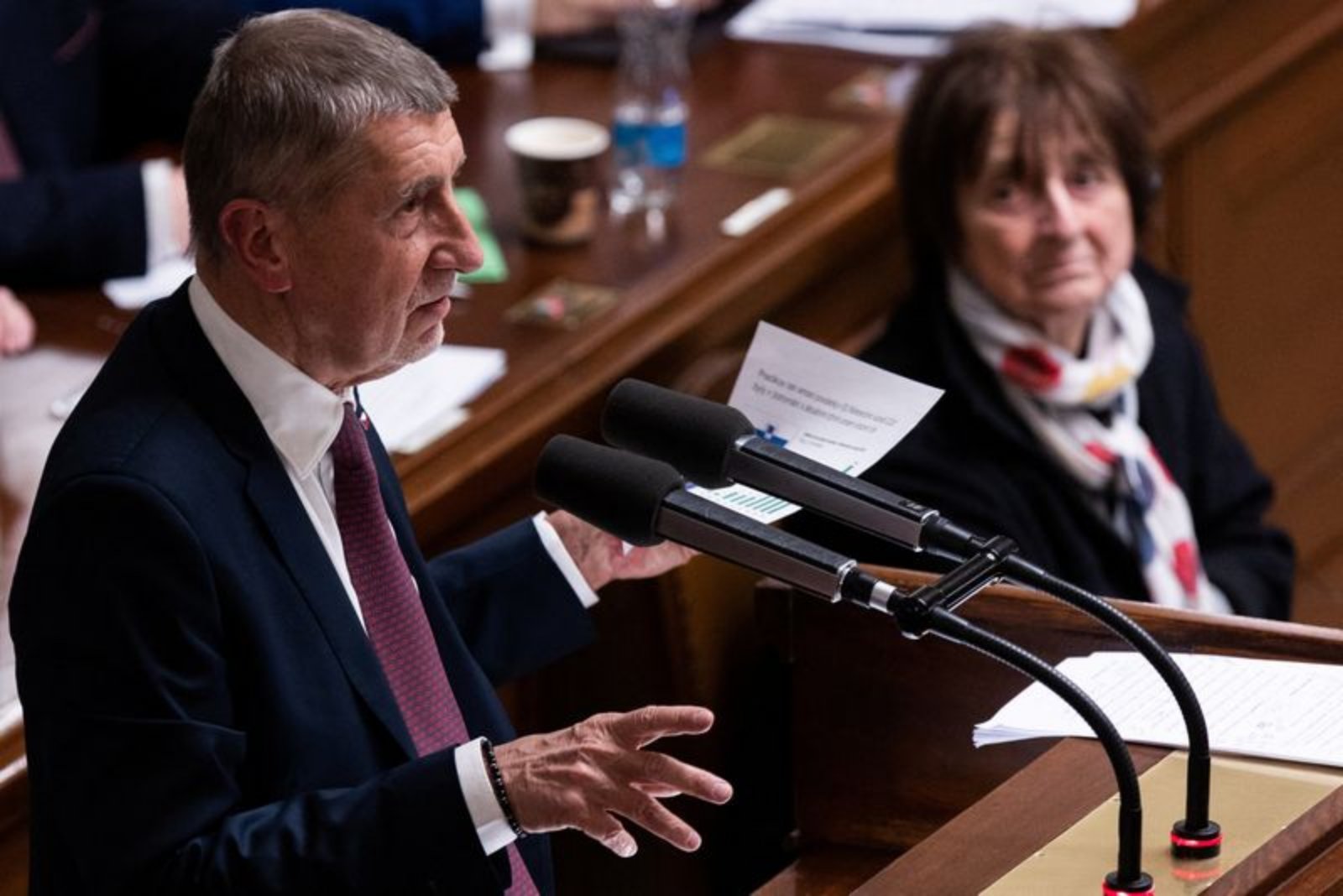
Czech Prime Minister Andrej Babis said he supports banning social media use by children under 15, citing expert warnings about harm to youngsters. The government is considering formal measures after comments from the prime minister and the first deputy prime minister indicated a legislative proposal could be tabled this year. The move comes as several European countries discuss similar age-based curbs and after Australia in December enacted a ban for under-16s.

Key Points

  • Czech Prime Minister Andrej Babis publicly supports banning social media access for children under 15, citing expert concerns about harm - impacts social media platforms, telecoms and digital advertising.
  • First Deputy Prime Minister Karel Havlicek said the government is seriously considering a ban and, if approved, would propose legislation this year - signals potential near-term regulatory action affecting platform operators and legal frameworks.
  • Several European countries including Spain, Greece, Britain and France are weighing similar restrictions, following Australia’s December move to ban under-16s - highlights regional policy momentum with cross-border implications for tech and media markets.

Prague - Czech Prime Minister Andrej Babis on Sunday voiced his support for prohibiting social media use by children younger than 15 years, aligning his position with a wave of policy discussions across Europe about tighter limits on minors' access to online platforms.

Speaking in a routine video message distributed on several of his social media accounts on Sunday, Babis said he favoured a ban because of expert opinion he has encountered about the risks to children. He offered no additional specifics on timing or the form any measure might take.

"I am in favour because the experts I know say that it is terribly harmful to children. We must protect our children," Babis said in the video.

Later the same day, the government’s first deputy prime minister, Karel Havlicek, told viewers of a television chat show on the private broadcaster CNN Prima News that the cabinet was treating the idea seriously. Havlicek added that if the government votes to pursue a ban, it would propose legislation during the current year.

The Czech discussion mirrors recent steps and proposals elsewhere in Europe. Spain and Greece each put forward proposals last week to restrict teenagers' use of social media platforms, part of an increasingly stringent approach to the technology amid concerns it may have addictive features and negative effects on young users.

Those measures in Spain drew a public rebuke from Elon Musk, the owner of the X platform, formerly known as Twitter. Britain is also reportedly considering a ban modeled on the Australian law, while France is advancing legislation to bar children under 15 from social media.

Australia in December became the first country to adopt a nationwide prohibition on access to such platforms for those under 16, a milestone frequently cited by governments reviewing their own regulatory approaches. Across jurisdictions, ministers and regulators are examining how screen time and social media exposure might affect children's development and mental wellbeing.


What precisely any Czech proposal would entail remains unspecified by government officials at this stage. The comments from the prime minister and his deputy indicate that Prague could move toward drafting a bill, but formal text, enforcement mechanisms and implementation timelines were not disclosed.

Risks

  • Legislative uncertainty - it is unclear whether or when concrete laws will be tabled or approved, creating regulatory risk for social media companies and advertisers operating in affected markets.
  • Public and industry pushback - measures such as those announced in Spain have prompted strong reactions from platform owners, indicating potential legal and political contention that could alter implementation timelines.
  • Limited detail on enforcement - officials have not provided specifics on how age restrictions would be validated or enforced, leaving open questions about compliance costs for platforms and intermediaries.

More from World

Law Firms Prepare for Wave of Refund Suits After Supreme Court Restriction on Tariff Power Feb 20, 2026 Appeals Court Clears Way for Louisiana Ten Commandments Classroom Requirement Feb 20, 2026 Fitch Keeps UK at AA- Citing Flexible Economy but Flags High Debt and Policy Uncertainty Feb 20, 2026 Fitch Maintains Congo's CCC+ Rating, Flags Persistent Debt and Governance Weaknesses Feb 20, 2026 Moody's Upholds Sweden's Aaa Rating, Cites Strong Fiscal Fundamentals Feb 20, 2026