
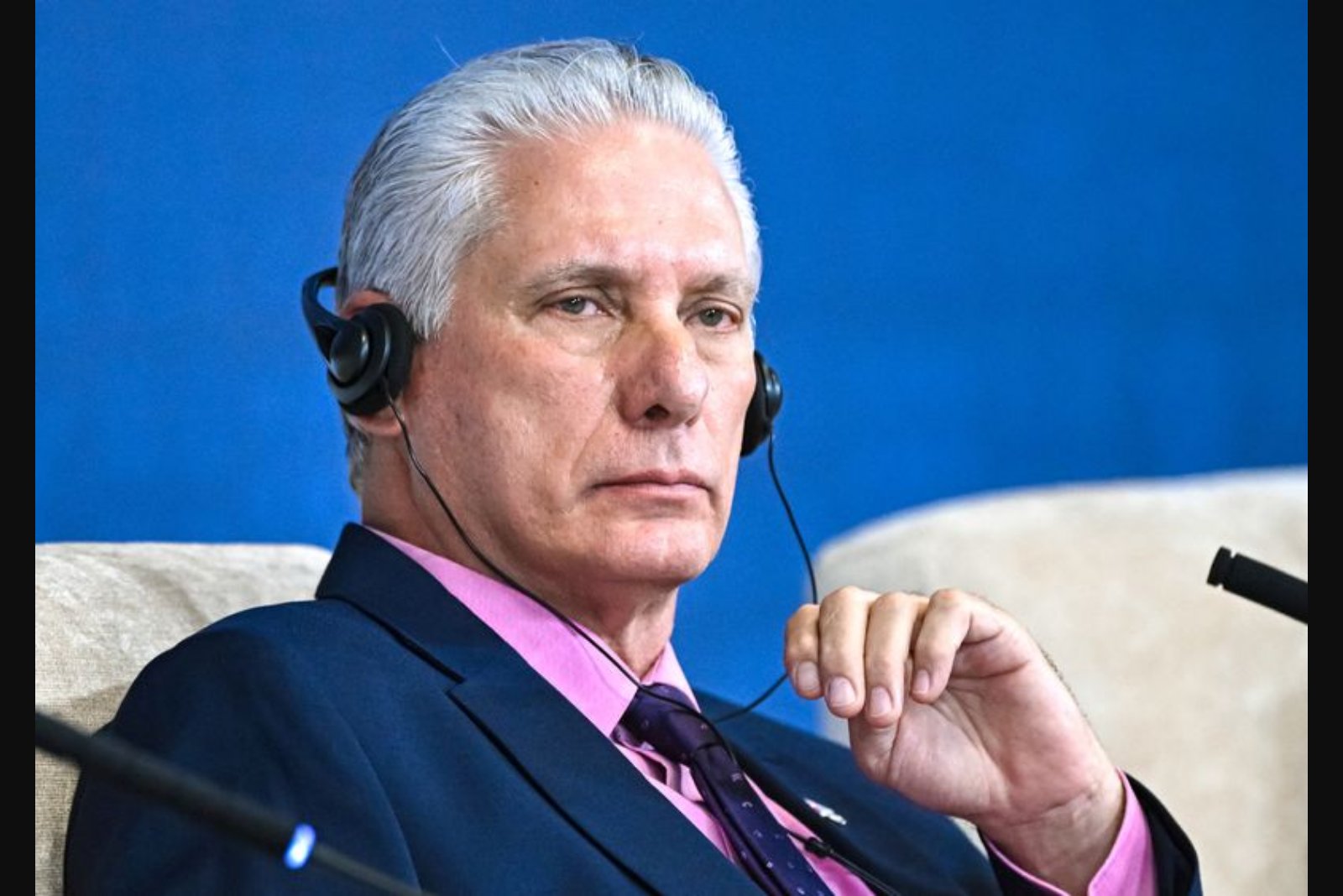
Cuban President Miguel Diaz-Canel is scheduled to appear before Cuban media on Friday in a rare public media engagement, the government announced on Thursday night. The presentation is slated for 7:30 a.m. EDT (1130 GMT) and was described by Havana as an opportunity to "address issues of national and international importance."
The format of the event is expected to be tightly controlled. Foreign press were not invited and, if questions are permitted, they will come from national reporters who have been carefully screened, according to the government's announcement.
This appearance was promoted as a follow-up to a February 5 event in which Diaz-Canel warned the island was nearing a situation that could require "extreme measures" because of a deepening economic crisis. That assessment cited frequent power blackouts and fuel shortages, conditions that the government says have been worsened by U.S. measures, including what it describes as an oil blockade imposed by the administration of U.S. President Donald Trump.
At the February 5 event, Diaz-Canel also expressed a willingness to hold talks with the United States, provided Cuba is treated with respect and not subjected to threats or preconditions. Friday's address could reiterate that stance or clarify Havana's position on recent public statements by President Trump.
Trump has repeatedly said in recent weeks that the United States is engaged in high-level talks with Cuban representatives. The Cuban government has denied that any official encounters are underway, while stopping short of explicitly denying media reports that have referred to back-channel discussions.
The intensification of U.S. pressure followed a significant change in Cuba's regional context in January. Since the U.S. captured Venezuelan President Nicolas Maduro and removed from power Cuba's most important foreign benefactor in January, the Trump administration has cut off Venezuelan oil shipments to Cuba and has threatened tariffs on any country that sells oil to the island.
President Trump has combined those policy moves with a string of public comments portraying Cuba as vulnerable. In recent remarks he suggested the island was on the verge of collapse or eager to negotiate with the United States. On Monday he said Cuba may be subject to a "friendly takeover," then added, "it may not be a friendly takeover."
Context and possible topics for the address
- Economic conditions on the island, including fuel shortages and power outages.
- The status of any contacts or negotiations between Havana and Washington, including Havana's public denials of official talks.
- Responses to U.S. policy measures such as the restriction of Venezuelan oil shipments and threats of tariffs on third-party suppliers to Cuba.