
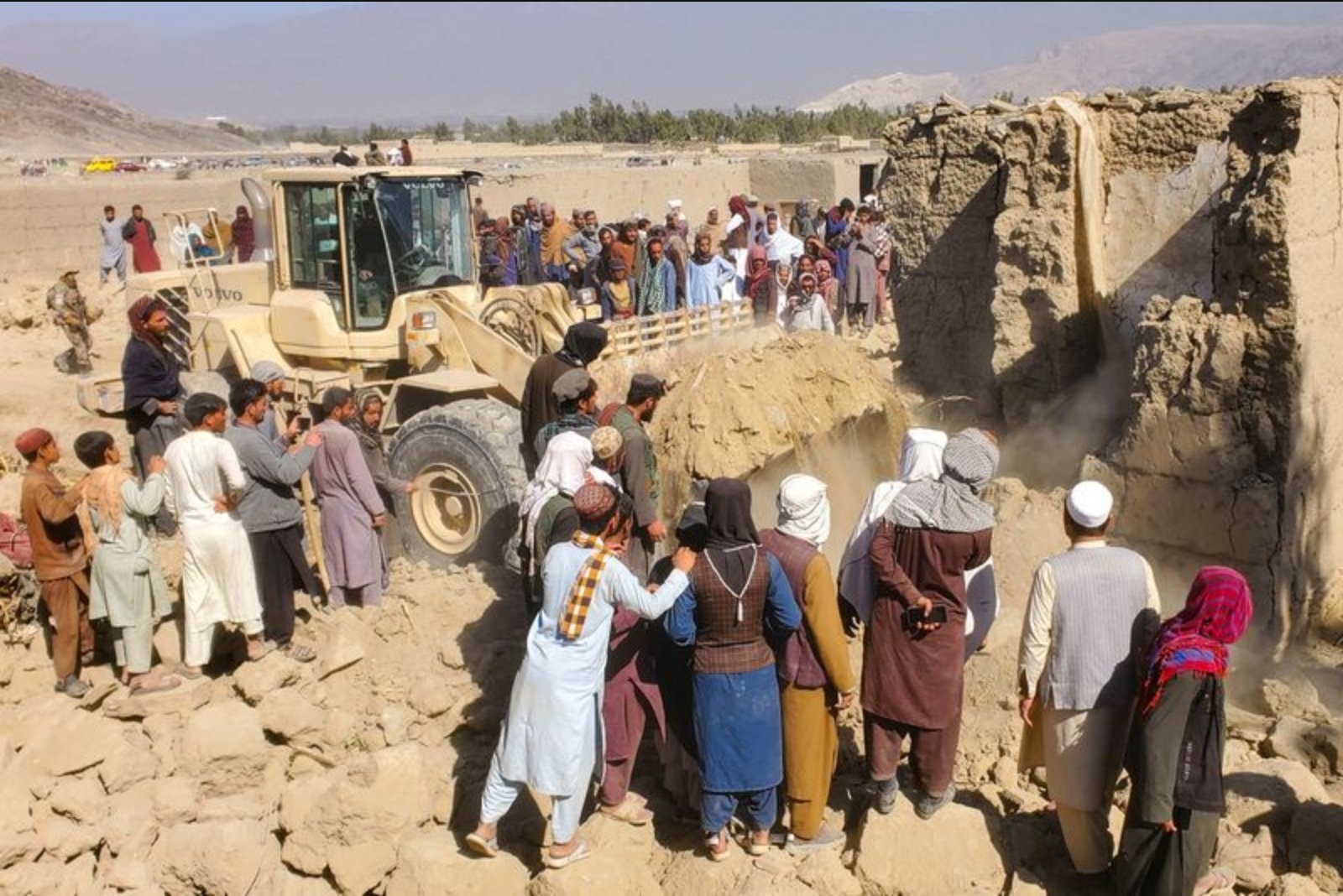
Pakistan carried out air strikes on major Afghan cities overnight, officials in Islamabad and Kabul said, marking a sharp escalation in hostilities that have simmered along the two countries' shared frontier for months. The latest operations included both aerial and ground attacks that, according to Pakistani statements, struck Taliban military posts, headquarters and ammunition depots across several sectors bordering Pakistan.
Pakistani officials said the strikes followed an attack by Afghan forces on Pakistani border personnel. Both sides reported significant casualties in fighting that Pakistan's defence minister characterised as an "open war".
Background to the confrontation
Tensions between Islamabad and Kabul have risen since Pakistan launched air strikes on militant targets inside Afghanistan last weekend. The flare-up is the most recent turn in a cycle of clashes that previously saw dozens of Pakistani soldiers killed in October, before negotiations brokered by Turkey, Qatar and Saudi Arabia halted the immediate fighting and produced a fragile ceasefire.
That ceasefire, officials in Islamabad contend, proved short-lived. Pakistani authorities say militants continued to launch attacks from Afghan soil, prompting repeated clashes and closures along the rugged border that have interrupted trade and movement.
Why relations have deteriorated
After the Taliban's return to power in Afghanistan in 2021, Pakistan initially welcomed the change, with then-Prime Minister Imran Khan saying Afghans had "broken the shackles of slavery". But the relationship has since soured as Islamabad accused Kabul of providing sanctuary to groups fighting inside Pakistan.
Specifically, Pakistan asserts that the leadership and many fighters of Tehreek-e-Taliban Pakistan - commonly referred to as the TTP or Pakistani Taliban - are operating from Afghan territory. Islamabad also alleges that insurgents seeking separation for Pakistan's Balochistan province use Afghanistan as a refuge. Observers tracking conflict patterns report that militancy has risen each year since 2022, with attacks by both the TTP and Baloch insurgents increasing.
Kabul has repeatedly denied permitting militants to use Afghan soil for operations against Pakistan. The Afghan Taliban accuse Pakistan of sheltering fighters from Islamic State, an allegation Islamabad rejects.
Immediate catalyst for the recent strikes
Pakistani security sources said the day before last weekend's strikes they had "irrefutable evidence" implicating militants based in Afghanistan in a recent spate of attacks and suicide bombings aimed at Pakistani military and police targets. Those sources cited seven planned or executed attacks since late 2024 that they connected to militants across the border.
One attack noted by Pakistani security officials occurred last week in the Bajaur district and killed 11 security personnel and two civilians; those officials said the assailant was an Afghan national. The Tehreek-e-Taliban Pakistan claimed responsibility for that strike.
The Tehreek-e-Taliban Pakistan explained
The TTP was established in 2007 by a coalition of militant groups active in northwest Pakistan. It has carried out attacks on markets, mosques, airports, military installations and police stations, and at times has seized territory chiefly along the Afghanistan border but also deeper inside Pakistan, including areas such as the Swat Valley. The group was responsible for the 2012 attack on Malala Yousafzai.
The TTP has fought alongside the Afghan Taliban against U.S.-led forces in Afghanistan and has hosted Afghan fighters within Pakistan. Islamabad has mounted military campaigns on its own soil against the TTP with limited long-term success; one such operation that concluded in 2016 sharply reduced attacks for a period, though violence has since increased.
Prospects for further escalation and relative military strength
Analysts cited by officials expect Pakistan to intensify its military campaign. Kabul's responses, they say, could include raids on border posts and additional cross-border guerrilla-style attacks targeting Pakistani security forces.
On paper, the two sides show a marked disparity in conventional capabilities. The Taliban's forces number about 172,000 personnel - less than a third of Pakistan's total military strength. The Afghan Taliban are reported to possess at least six aircraft and 23 helicopters, though their condition is unclear and they have no fighter jets or an effective air force.
By contrast, Pakistan's armed forces are reported in 2025 data to include over 600,000 active personnel, more than 6,000 armoured fighting vehicles and in excess of 400 combat aircraft. The country is also nuclear armed. Those figures underline a significant conventional imbalance even as recent events have shown militants and insurgents remain able to inflict damage and disrupt security along the frontier.
Economic and civilian impact
Beyond the immediate human toll reported by both sides, the clashes have tangible economic consequences. Repeated border closures and fighting have already disrupted trade and movement across the frontier, affecting commerce that relies on the overland routes between the two neighbours.
How long the latest round of strikes and counterstrikes might continue is uncertain. The situation remains volatile, and the durability of any ceasefire or negotiated settlement will depend on the actions of state security forces as well as militant groups operating in the borderlands.