
Lead
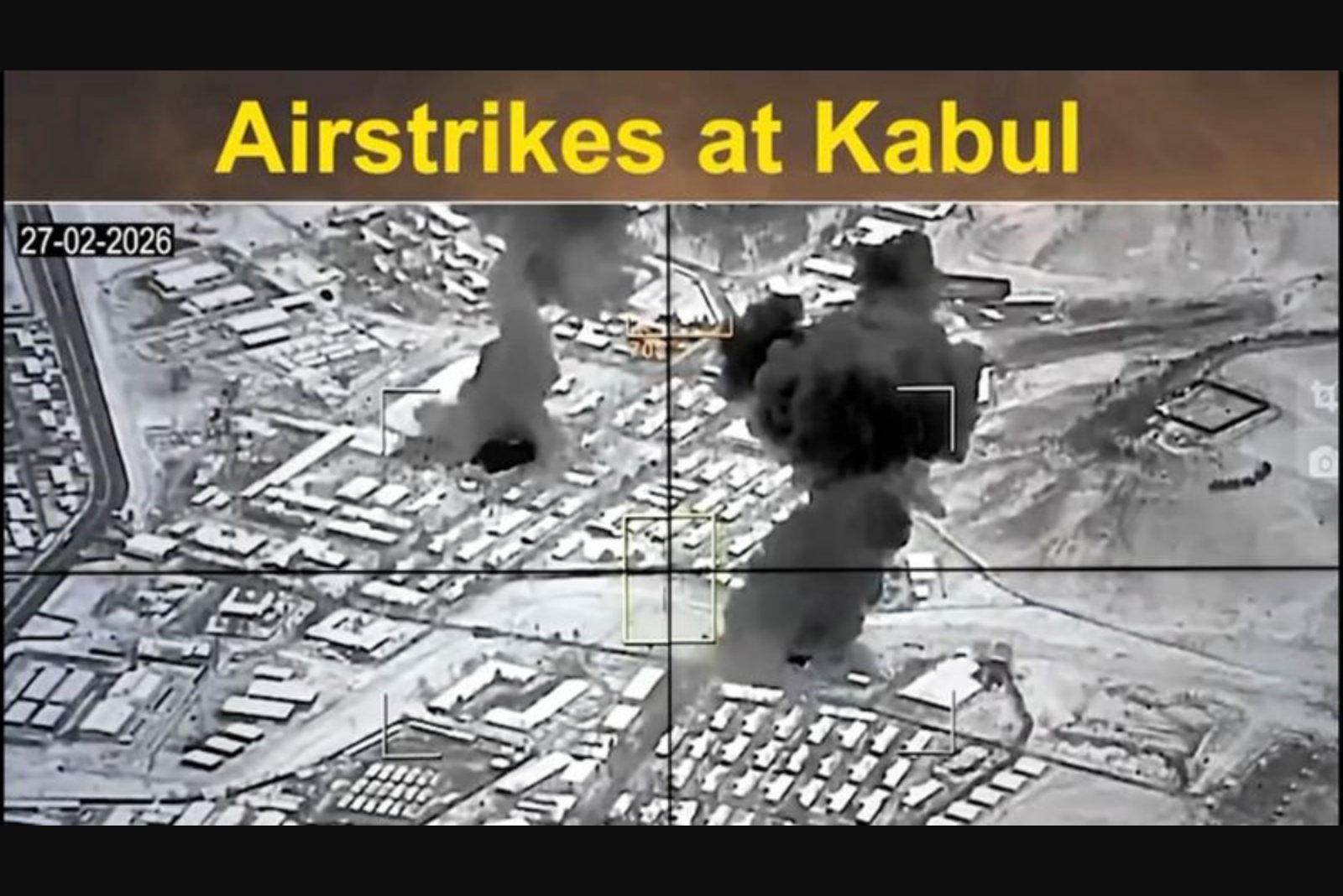
Pakistani forces struck targets inside major Afghan cities overnight, officials from Pakistan and the Taliban said on Friday, in a marked intensification of cross-border fighting that has followed months of tensions and intermittent skirmishes. Pakistani security sources said the operations combined air and ground strikes aimed at Taliban posts, headquarters and ammunition depots across multiple sectors along the shared frontier.
What happened
Both sides reported heavy losses, but provided sharply different figures that could not be independently verified. Pakistani government statements described the moves as a counter to what Islamabad called "unprovoked Afghan attacks," while the Taliban said the strikes were carried out by Pakistani forces in parts of Kabul, Kandahar and Paktia.
A Pakistani government spokesperson, Mosharraf Zaidi, posted on X that "Pakistani counterstrikes against targets in Afghanistan continue." Taliban spokesperson Zabihullah Mujahid said Pakistani strikes hit areas of Kabul, Kandahar and Paktia.
A witness in Kabul reported hearing loud blasts followed by many ambulance sirens. Video circulated by Pakistani security officials showed flashes of light along the border at night and the sound of heavy artillery. A separate clip, which Pakistani officials said depicted a Taliban headquarters in Paktia, showed a building on fire.
Casualty and damage claims
Pakistani officials released casualty and damage tallies saying 133 Afghan Taliban fighters were killed, more than 200 wounded, 27 posts destroyed and nine captured. The Taliban's account differed sharply: Zabihullah Mujahid said 55 Pakistani soldiers were killed and 19 posts seized. He also reported that eight Taliban fighters were killed, 11 wounded and 13 civilians injured in Nangarhar.
Context and recent developments
The overnight strikes follow Pakistani air attacks earlier in the week that Islamabad said were aimed at camps used by Tehreek-e-Taliban Pakistan and Islamic State militants in eastern Afghanistan. Kabul has denied that militants are being harboured on its territory and had warned it would respond to such strikes. Clashes along the frontier began on Thursday night after the Taliban said it launched retaliatory attacks on Pakistani military installations; both sides said they destroyed border posts in that exchange.
Potential implications
The latest exchanges are the most serious escalation in months, threatening a fragile ceasefire along the 2,600-km (1,615-mile) boundary and deepening a long-running dispute over Islamabad's allegation that Kabul provides sanctuary to militants from Pakistan, an allegation the Taliban deny. Given the divergent accounts and casualty figures, independent confirmation of the claims remains unavailable.