
Armed clashes between Pakistani and Afghan forces continued along multiple points of their 2,600-kilometre border on Friday, deepening a week-long confrontation that the United Nations says has displaced well over 100,000 people.
The flare-up marks one of the most serious rounds of hostilities between the neighbouring states in years and has contributed to heightened instability across a region already affected by separate military operations involving the United States and Israel against Iran - a country that shares borders with both Afghanistan and Pakistan.
Operations during the fighting have included Pakistani air strikes aimed at Taliban government installations inside Afghanistan, with military activity reported at sites such as the Bagram air base north of Kabul. Afghan officials said the Taliban carried out strikes on Pakistani military positions along the border, with the Afghan defence ministry reporting that numerous Pakistani posts were destroyed and a drone shot down.
Pakistani security sources described their own actions as a mix of ground and aerial operations directed at military targets inside Afghanistan, including strikes in and around Kandahar, a province known as the Taliban heartland and where the group's leadership is based. Those sources additionally said several Afghan border posts were destroyed during Pakistani operations.
Crowds gathered in parts of Afghanistan to protest the incursions into Afghan territory. In Kabul, dozens of people protested Pakistan's strikes, chanting anti-Pakistan slogans, and separate demonstrations were reported in Laghman Province. Demonstrators conveyed anger at the attacks and called for protection of Afghan sovereignty.
Residents of towns along the frontier described a pattern of intensified shelling after sunset, saying that heavy exchanges of fire often begin as families prepare to break their fast during the holy month of Ramadan. The placement of fighting near populated areas has placed civilian homes in the line of fire, prompting many residents to flee to safer ground.
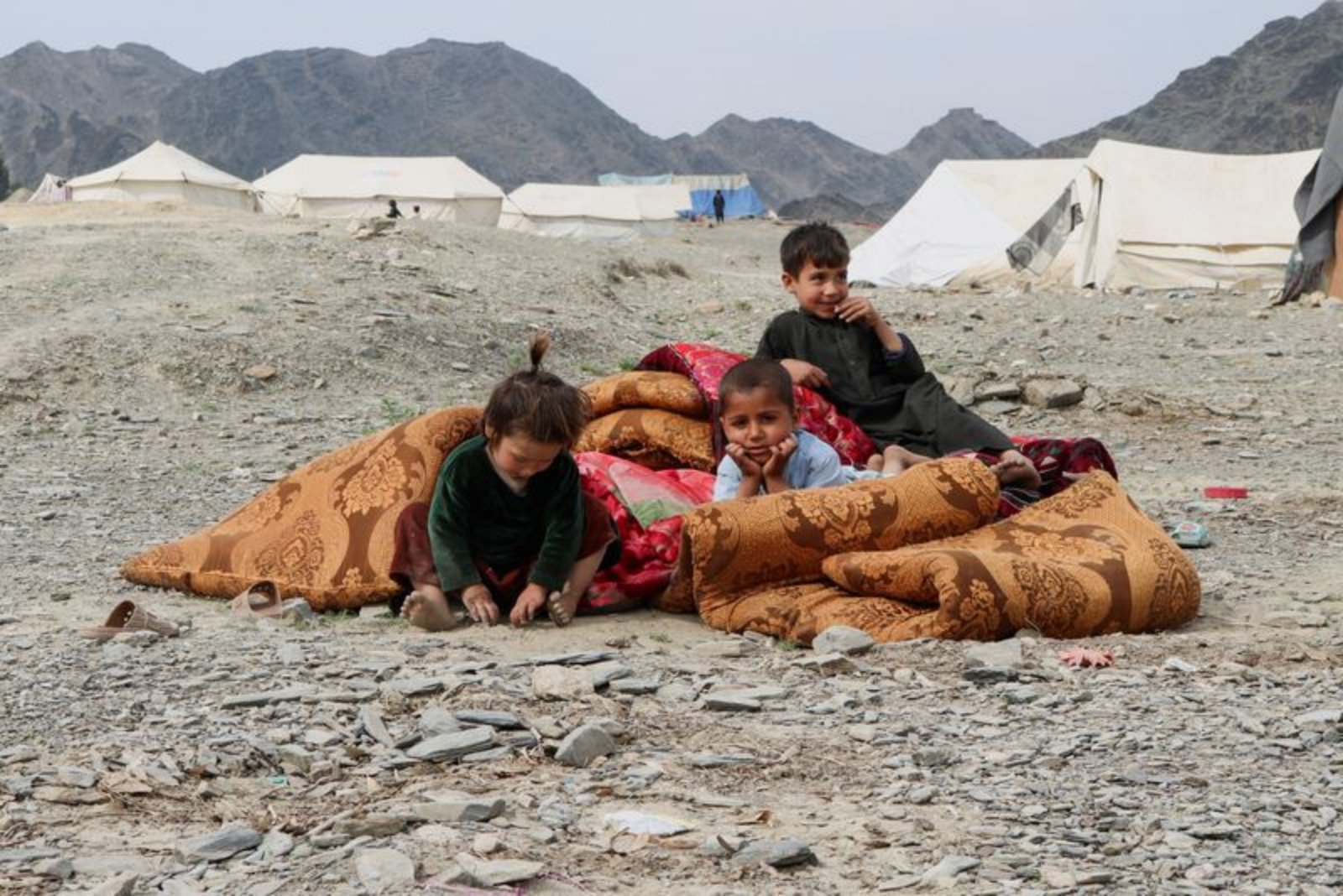
The United Nations refugee agency has estimated that roughly 115,000 people within Afghanistan and another 3,000 in Pakistan have fled their homes because of the hostilities. Those movements reflect displacement on a scale that aid agencies say will challenge humanitarian response capacity in both countries.
Multiple states have offered to mediate a ceasefire, with Turkey among those most recently reported to have proposed talks. However, diplomatic traction has been limited in part because attention from several Gulf states that had stepped forward has been diverted by the separate conflict involving Iran.
In Islamabad, the Pakistani government declined to enter into negotiations to halt the fighting. Mosharraf Zaidi, a government spokesperson, told state-owned television that "There is nothing to talk about. There will be no dialogue and no negotiations." He framed Pakistan's posture as defensive, saying that "Terrorism from Afghanistan has to end - that is Afghanistan's problem. Pakistan's responsibility is to protect its citizens."
The current confrontation began earlier in the week after Pakistani air strikes inside Afghanistan that Islamabad described as targeting militant strongholds. Afghanistan characterized the strikes as violations of its sovereignty and publicly announced retaliatory operations in response.
Islamabad has repeatedly accused Kabul of providing safe haven to militants who carry out attacks inside Pakistan. The Taliban government, in turn, has denied providing assistance to such groups and has said militancy in Pakistan is an internal matter for Pakistani authorities to address.
On Friday, the Taliban's defence ministry said it had struck a military base in Pakistan's southwestern province of Balochistan. Independent verification of that claim was not available, and Pakistani military authorities had not reported damage in the area.
Claims by both sides that they have inflicted heavy damage on the other and killed hundreds of opposition fighters have been made without publicly presented evidence. Independent confirmation of those battlefield assessments has not been provided.
The United Nations mission in Afghanistan has reported that 56 civilians have been killed and 128 wounded in the country since the fighting began. Separately, the Taliban government has said 110 civilians have been killed. The Pakistani government has rejected both sets of casualty figures, asserting that its operations are focused on militants and their support infrastructure rather than on civilians.
Contextual note - Reporting indicates extensive cross-border military activity, significant civilian displacement and contested claims about casualties and damage, with international mediation efforts proceeding amid competing regional crises.