
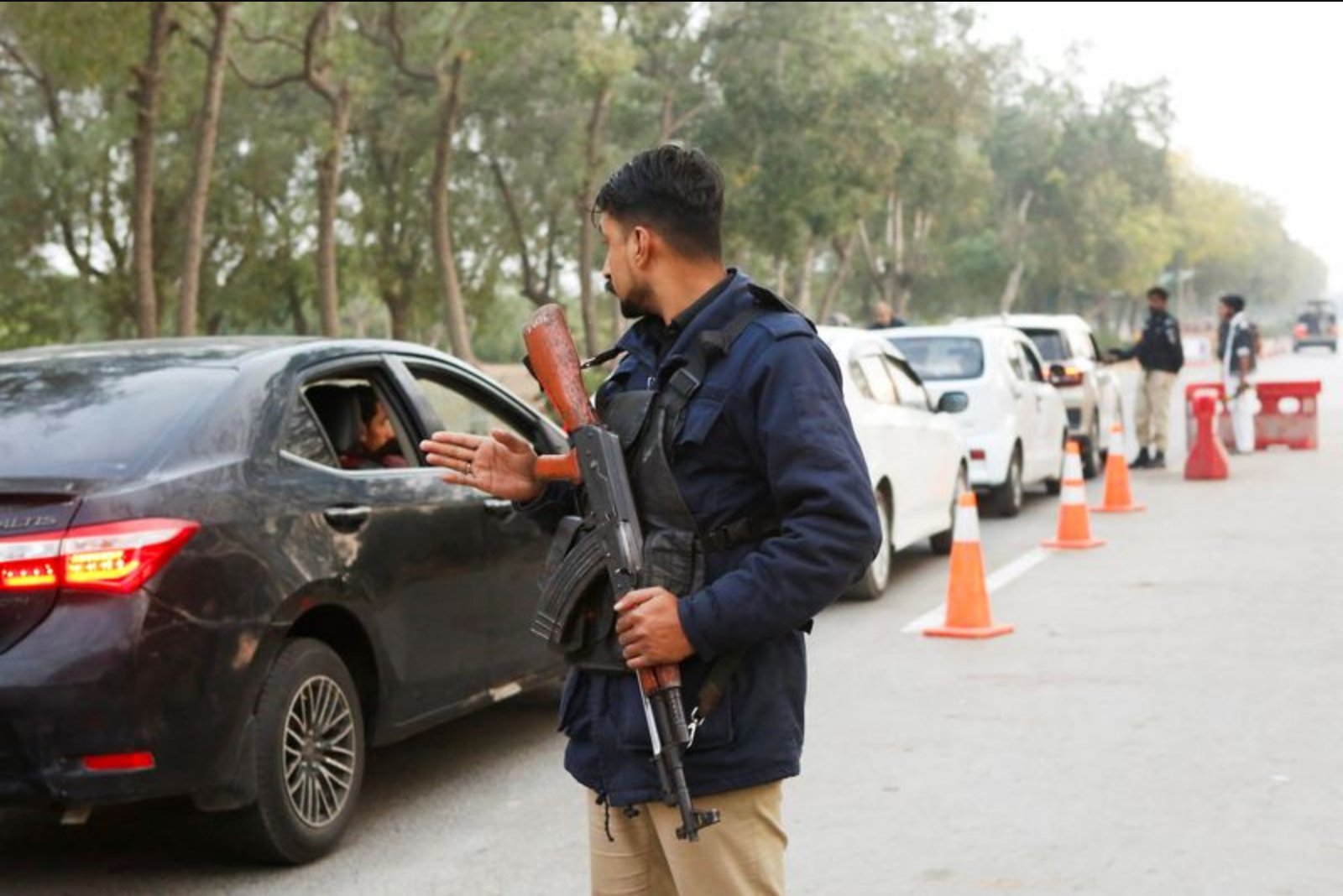
Fighting between Pakistan and the military arm of Afghanistan's Taliban continued for a third day on Saturday after exchanges of fire overnight, as diplomats and foreign governments stepped up appeals for an urgent halt to hostilities.
Officials said Pakistan launched strikes on Friday against Taliban military installations and posts, including in Kabul and Kandahar, describing the attacks as among the deepest incursions into Afghanistan in years. Islamabad has accused the Taliban of providing refuge to Tehreek-e-Taliban Pakistan fighters, whom Pakistani authorities blame for carrying out an insurgency inside Pakistan. The Taliban rejects the accusation.
Pakistani authorities framed their operations as retaliation for cross-border assaults. Afghanistan's government condemned the strikes as a breach of sovereignty and reiterated its openness to diplomatic engagement, while warning that any widening of the conflict would carry serious consequences. Observers say the clashes have increased the possibility of a lengthy conflict along the rugged 2,600-kilometre frontier between the two countries.
Diplomatic responses accelerate
Diplomatic activity increased late on Friday. Afghanistan's foreign minister, Amir Khan Muttaqi, held a telephone conversation with Saudi Arabia's Prince Faisal bin Farhan focused on easing tensions and maintaining open diplomatic channels. The European Union called on both sides to de-escalate and to enter talks, and the United Nations urged an immediate cessation of hostilities.
Russia issued a call for the combatants to stop fighting and return to negotiations. China said it was deeply concerned about the clashes and said it was ready to assist in lowering tensions. The United States expressed support for Pakistan's right to defend itself against attacks by the Taliban, according to a State Department spokesperson. A U.S. official, speaking on condition of anonymity, said Washington did not view Pakistan as the aggressor in the recent escalation and noted that Islamabad faces pressure to address its security challenges. The official added that Washington hoped the situation would not escalate further.
Border fighting and casualty claims
Exchanges of fire persisted along the shared border overnight. Pakistani security sources said an operation named "Ghazab Lil Haq" was underway and that Pakistani forces had destroyed multiple Taliban posts and camps across several sectors. Reuters was not able to independently verify those claims.
Both sides issued casualty figures that differ sharply and that independent verification agencies could not confirm. Pakistan reported 12 of its soldiers and 274 Taliban fighters killed, while the Taliban said 13 of its fighters and 55 Pakistani soldiers had died. Taliban deputy spokesman Hamdullah Fitrat reported civilian casualties, saying 19 civilians were killed and 26 wounded in Khost and Paktika provinces; Reuters was unable to verify that claim.
Pakistan's Defence Minister Khawaja Muhammad Asif said, "our cup of patience has overflowed", characterising the situation as "open war" and warning that Pakistan would respond to further attacks. Taliban Interior Minister Sirajuddin Haqqani, speaking in Khost province, cautioned that the conflict "will be very costly" and said Afghan forces had not been broadly deployed beyond those already engaged. In the same address he maintained that the Taliban had prevailed against "the world, not through technology, but through unity and solidarity," crediting "great patience and perseverance" rather than superior military hardware.
Force balances and battlefield profiles
The two sides are mismatched in conventional military capability. Pakistan maintains a standing army numbering in the hundreds of thousands and fields a modern air force. The Taliban, in contrast, lacks a conventional air arm and relies predominantly on ground forces and light weaponry. The group, however, is a battle-hardened force after two decades of insurgency against U.S.-led forces prior to returning to power in 2021.
With international appeals for restraint now widespread, efforts at mediation and dialogue are expected to intensify. But the combination of deep distrust, competing casualty claims and the potential for further cross-border attacks means the immediate outlook remains uncertain.
Summary of current status
- Hostilities have continued into a third day, with Pakistan reporting strikes on Taliban sites in Kabul, Kandahar and other areas.
- Islamabad says it is responding to cross-border assaults and accuses the Taliban of harbouring TTP militants; the Taliban denies the charge and condemns the strikes as violations of sovereignty.
- Multiple international actors and organisations have urged de-escalation and dialogue while the United States expressed support for Pakistan's right to self-defence.